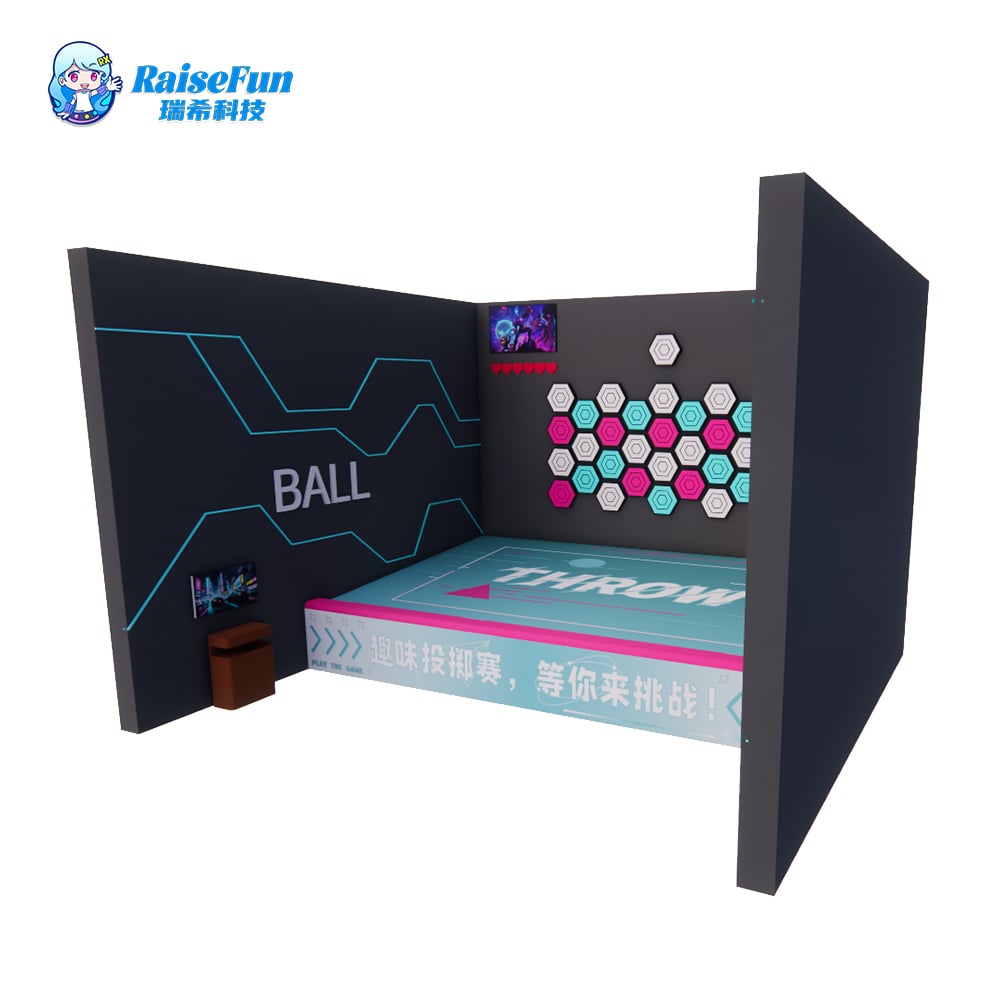
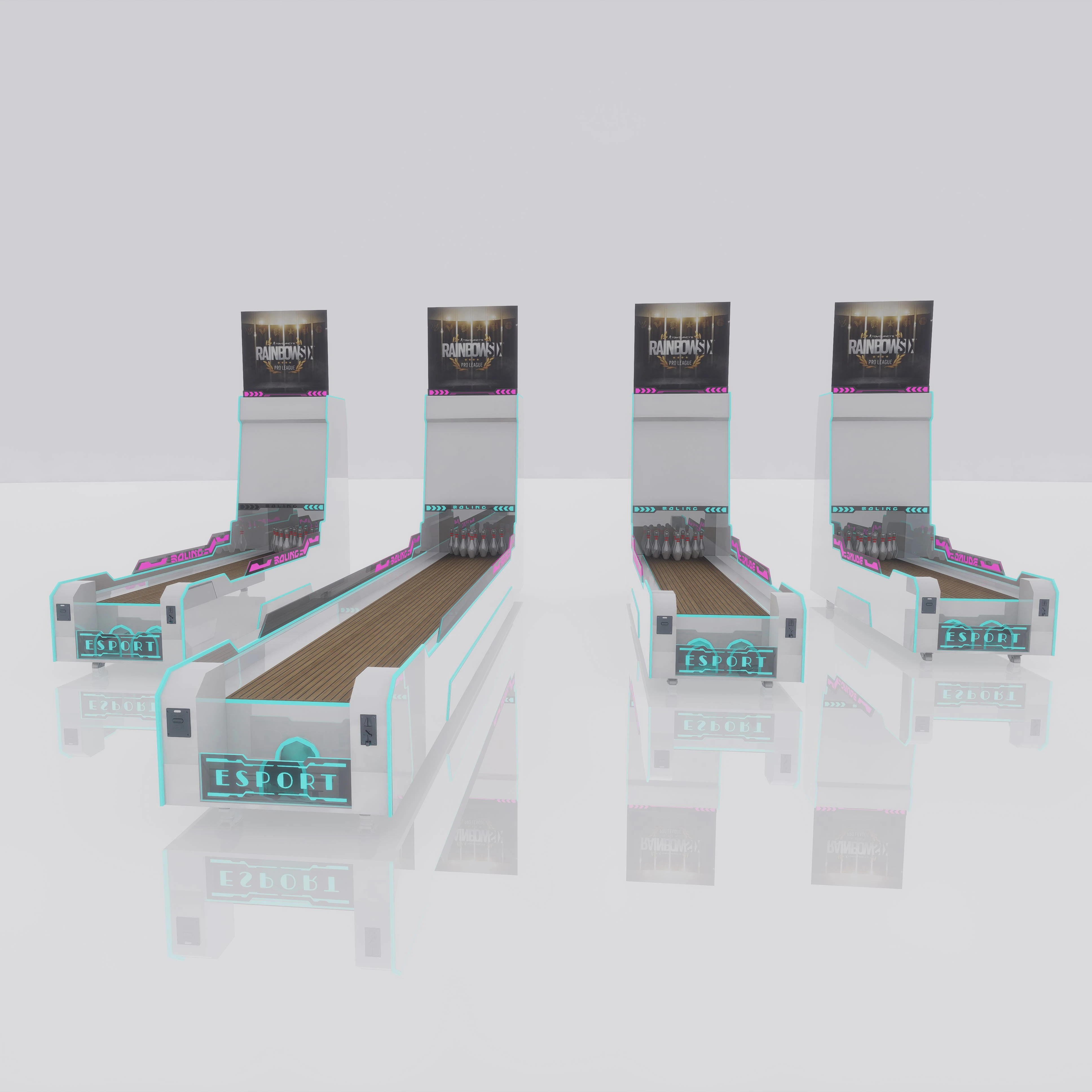
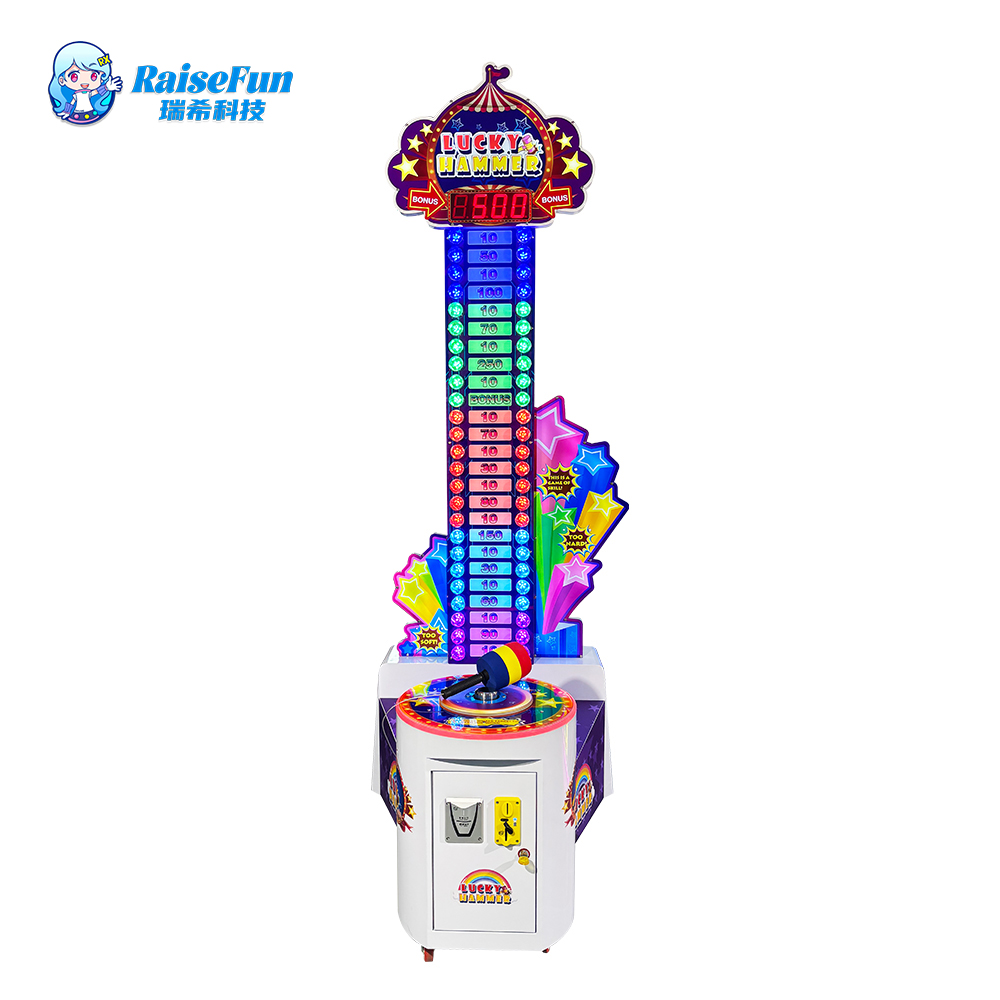
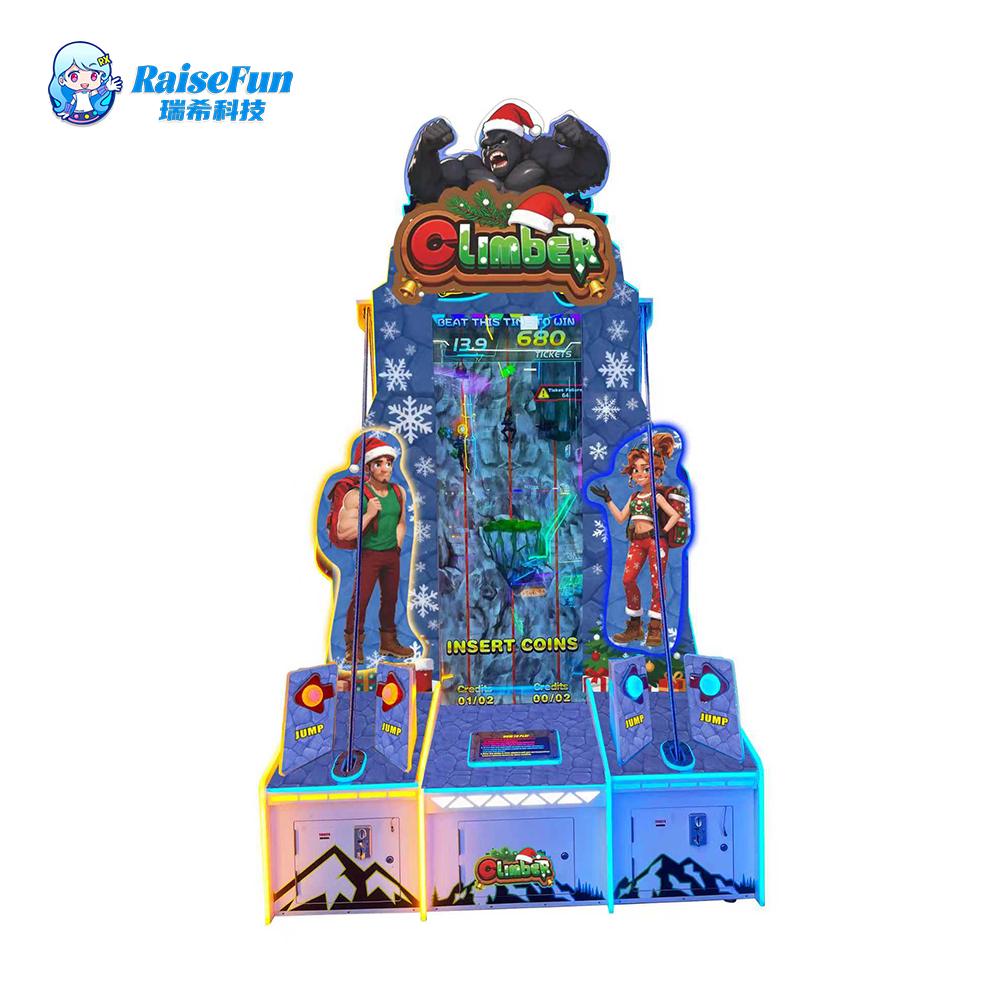
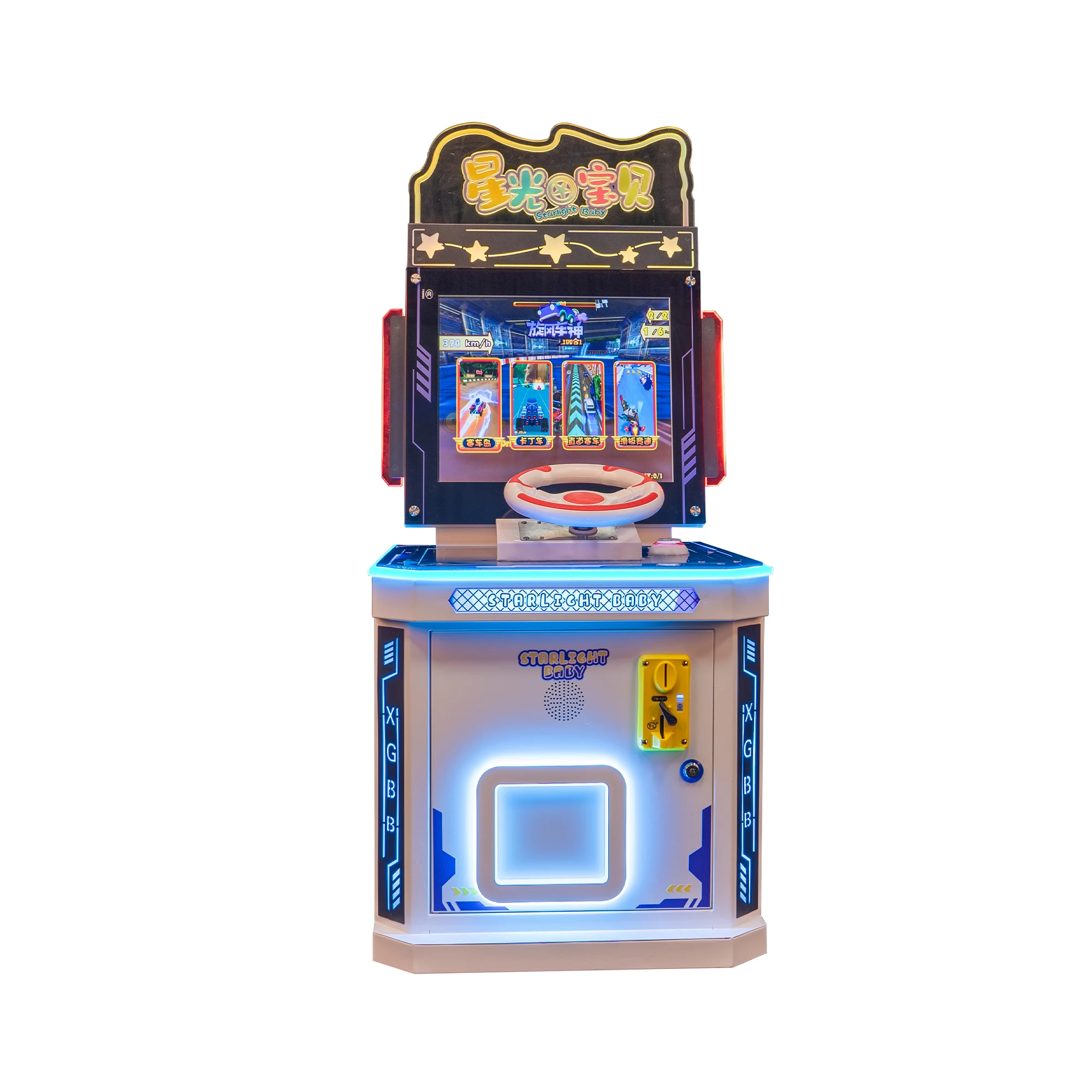
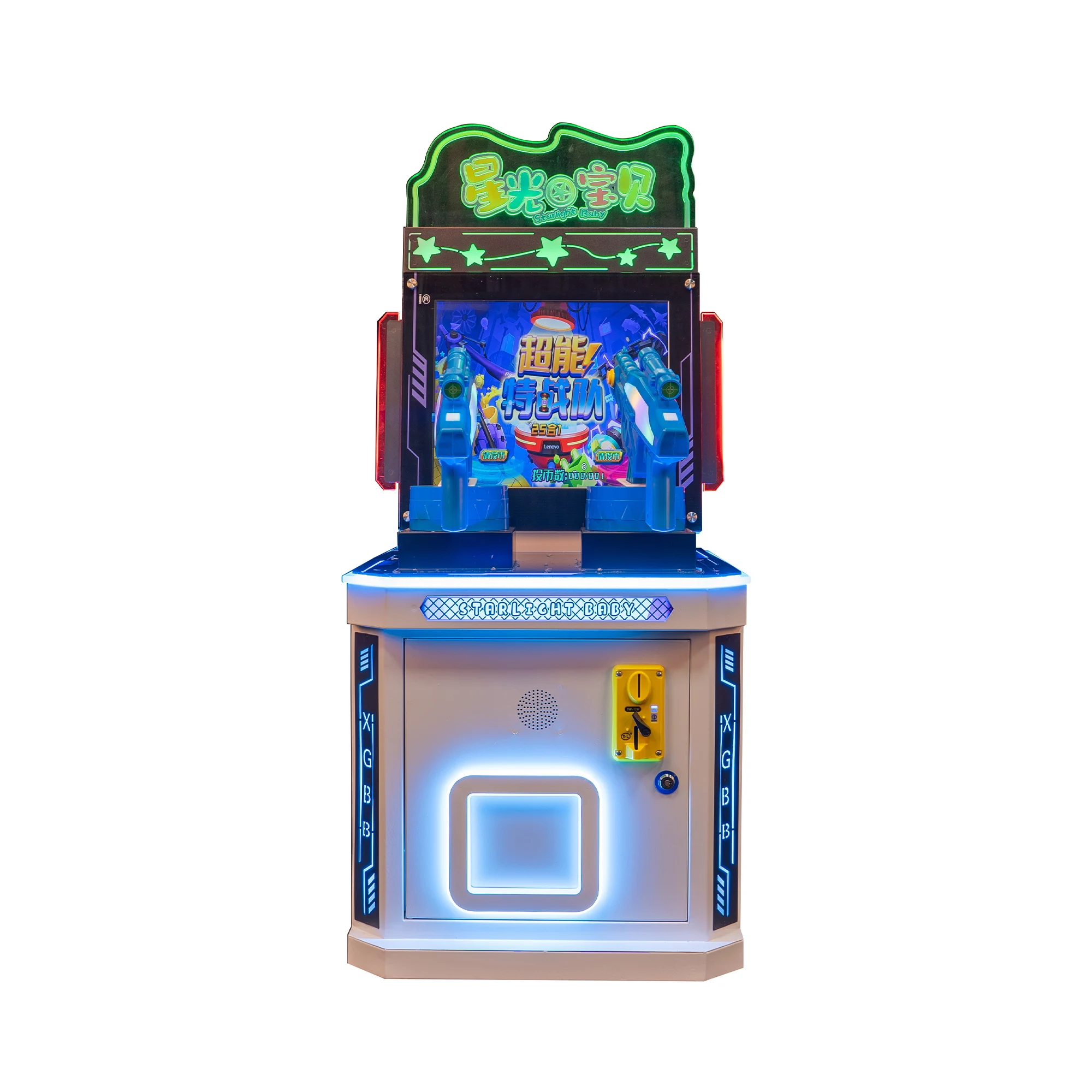
Interactive machines turn people who just watch into folks who actually get involved, thanks to things like touchscreens for voting, hand gestures controlling games, and instant feedback loops. According to some research from trade shows in 2024, places that used this kind of tech had visitors staying around 35% longer and interacting at booths about 70% more often compared to old school displays. The cool thing is when kiosks powered by artificial intelligence start changing what they show based on faces or age groups, which makes people respond better since it feels personalized. Looking at recent studies about events, these smart systems seem to make attendees happier too, somewhere between 35 and 40 percent according to numbers, and creates those special moments people remember enough to come back for more.
Interactive elements create a connection between what people see on screens and how they actually feel about it, something regular displays just cant do. Take conferences for instance when participants get hands on with touch screens or work together in augmented reality spaces, something interesting happens inside their heads. The brain moves away from just watching things happen to actually trying to figure stuff out. Studies show this kind of mental switch makes people remember information better too. One research group found memory retention goes up around 42 percent when folks are actively involved rather than sitting back passively. That's pretty significant if we think about learning and engagement at events.
A European tech conference replaced traditional registration desks with AR-powered check-in stations where attendees "captured" virtual badges by solving product-related puzzles. This gamified approach achieved:
The success stemmed from balancing novelty with practicality—puzzles took under 90 seconds but revealed key exhibitor information.
Over 67% of venues now deploy touchscreens or gesture controls as primary interaction tools, up from 41% in 2021 (EventTech Report 2024). The shift reflects growing attendee expectations:
| Preference | 2021 | 2024 |
|---|---|---|
| Touchscreen interfaces | 38% | 61% |
| Physical buttons | 52% | 29% |
| Voice controls | 10% | 10% |
Hybrid systems combining touch with haptic feedback now achieve 81% usability scores, addressing accessibility needs while maintaining high engagement.
Venues across the country are starting to install these interactive LED walls that actually react when people move around them, making stories unfold dynamically as events happen. The screens let organizers change what's displayed on the fly through simple hand gestures, so audiences can actually shape the look and feel of visuals during shows. Some tests at actual concerts showed this kind of interaction made people feel about 40 percent more connected emotionally to what was happening onstage. And because these LED panels come in all sorts of shapes and sizes, they can be wrapped around pillars, balconies, even stage backdrops, turning entire spaces into immersive 360 degree environments where everyone gets to participate in the story being told.
When it comes to projection mapping systems, they basically place interactive digital content on top of actual physical locations, transforming ordinary places into something that keeps changing as people move around. Take sports stadiums for instance where floors light up with player statistics whenever someone walks across them, or look at concert venues where lights dance along with music beats, reacting directly to what's coming out of speakers. The tech behind all this works pretty fast too, around 1.8 seconds delay from when someone does something until the environment responds back. That quick reaction time makes everything feel natural and connected, so fans don't notice any lag between their movements and what happens visually around them during events.
When people interact with real objects, hybrid AR and VR systems make things happen digitally on top of what's already there. Many museums have started using these mixed reality headsets lately. They put historical information right over ancient artifacts, which helps visitors remember stuff better. Some studies suggest this approach boosts memory retention around 58 percent higher than regular museum displays. There are also these special vests that give tactile feedback when someone is in a VR simulation. The feeling from these vests makes virtual environments actually feel real to the touch. This tech has become pretty important for therapy sessions held at events and conferences, where participants can experience things they normally wouldn't be able to touch or feel otherwise.
At a recent technology conference, organizers added augmented reality wayfinding throughout the main exhibition area. When people walked near certain displays, their phones would trigger special content based on location data. The results were pretty impressive actually. Average time spent at each display jumped from just over 2 minutes to nearly 6 minutes, which is like triple the original amount. Almost nine out of ten attendees said they found the navigation system easy to use and understand. Looking at feedback after the event, sponsors saw something interesting happen too. People remembered their messages and branding about twice as often when presented through these interactive displays versus regular static booths. Makes sense really, because when folks engage with content actively instead of passively reading signs, those memories stick around longer in busy environments filled with lots of competing information.
Smart kiosks powered by artificial intelligence track what people do and like while they're at events, using information from RFID badges, smartphone apps, and how folks interact with touchscreens. These systems then suggest specific sessions, exhibitors worth visiting, or good networking spots based on individual behavior. According to research published by Accenture in 2025, most eventgoers (about 9 out of 10) actually want customized schedules instead of one-size-fits-all itineraries. Some top companies have started adding emotion recognition tech to their AI kiosks too. By reading facial expressions, these systems can change what content gets displayed when someone looks confused or interested. Early tests showed this approach increased engagement rates around 34%, which is pretty impressive considering how new the technology still is.
Dynamic content optimization occurs through three key mechanisms:
This approach increased satisfaction rates by 40% at trade shows using interactive machines, according to 2024 Event Tech Report data. The systems’ real-time adaptability reduces decision fatigue while maintaining relevance—critical when 68% of attendees report feeling overwhelmed by conventional event formats.
AI sure makes for amazing personalized experiences at events, but guess what? Nearly 8 out of 10 event planners are really worried about keeping data safe when implementing these technologies. Fortunately there are ways around this problem nowadays. Many companies now use GDPR compliant methods to anonymize information, plus they've got those step by step consent forms people can check off before giving permission. Some even process data right on the device itself instead of sending it all to the cloud where it might get lost or hacked. According to a recent privacy report from 2024, places that adopt these approaches see almost 78 percent of attendees actually opting in to share their info, which beats the usual industry numbers by about a quarter. What works best seems to be when organizations clearly explain how they're going to use someone's data while still offering real value back to them through better customized experiences. It's finding that sweet spot between being open about data practices and delivering something worth sharing.
Self service kiosks at events really cut down on the chaos at reception counters because people can just walk up, confirm who they are, and finish registration within about 90 seconds. That's roughly three times quicker than what most places do manually according to Hospitality Technology research from last year. The good thing is these kiosks connect right into event management software so attendance lists get updated instantly as folks arrive. Manual mistakes drop around 92 percent when this happens, which means less frustration for everyone involved. Plus staff members aren't stuck doing paperwork anymore and can actually help guests with problems that need real attention. Looking at numbers from the latest EventTech study released earlier this year, venues that have implemented such technology typically spend about 40% less money on labor costs per person attending their events compared to old fashioned check in procedures.
Contactless tech really boosts how many people can get through a venue. These systems handle around 120 to 150 attendees each hour at every station, which is about 78 percent quicker than regular manned check-in desks according to NeedZappy's 2023 event data. Plus they cut out all those physical contact points that cause hygiene worries for almost a third of attendees. Facial recognition kiosks are getting pretty good too, hitting nearly 99.8% accuracy when verifying identities. This means fewer chances of fraud and creates solid attendance records ready for audits. Looking at Hospitality Technology's latest report from 2023, places that switch to these digital systems tend to score about 22% better on arrival experience ratings than traditional methods do.
Interactive kiosks collect useful information when people touch screens during events, keeping track of things such as how long someone stays at a station, what kind of content they look at most, and where their fingers tend to wander across the display. Some sophisticated setups even watch tiny details in user behavior hesitation moments, how fast they scroll through options, or if they keep coming back to certain parts of the screen to figure out just how engaged attendees really are. According to research published last year on behavioral patterns, places that apply this sort of data saw almost double the average time visitors stayed around simply because they adjusted what was shown based on actual behavior rather than guesswork.
These days, event planners are starting to use machine learning tools that adjust websites and displays as people actually interact with them during events. When looking at where crowds gather most and how long folks stay in different areas, organizers can quickly change things around to keep everything moving smoothly. Take the Chicago Convention Center for instance they saw their attendees move through spaces better by almost a third when they moved registration desks according to what their live tracking showed about where people tended to bunch up. The check-in kiosks had sensors that told them exactly where bottlenecks were forming, so they could shift things before lines got too long.
While interactive machines capture rich datasets, 43% of venues fail to fully utilize this data post-event (MDPI 2023). Common barriers include siloed systems and limited analytical expertise. Leading venues now integrate cross-platform dashboards, merging touchscreen metrics with CRM data to identify long-term attendee preferences and predict future engagement patterns.
 Hot News
Be the first to get our latest styles and offers.
Copyright © Guangzhou Ruixi Technology Co., Ltd.now All rights reserved - Privacy Policy

 EN
EN