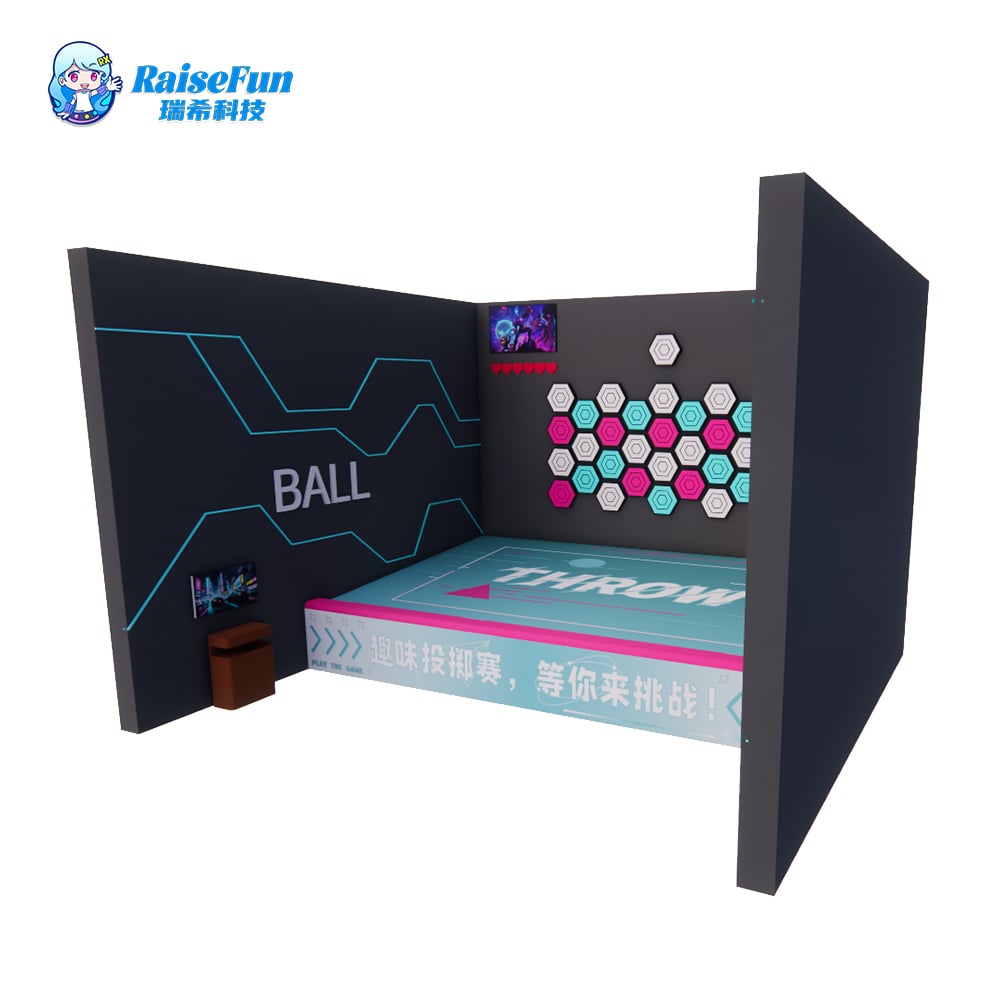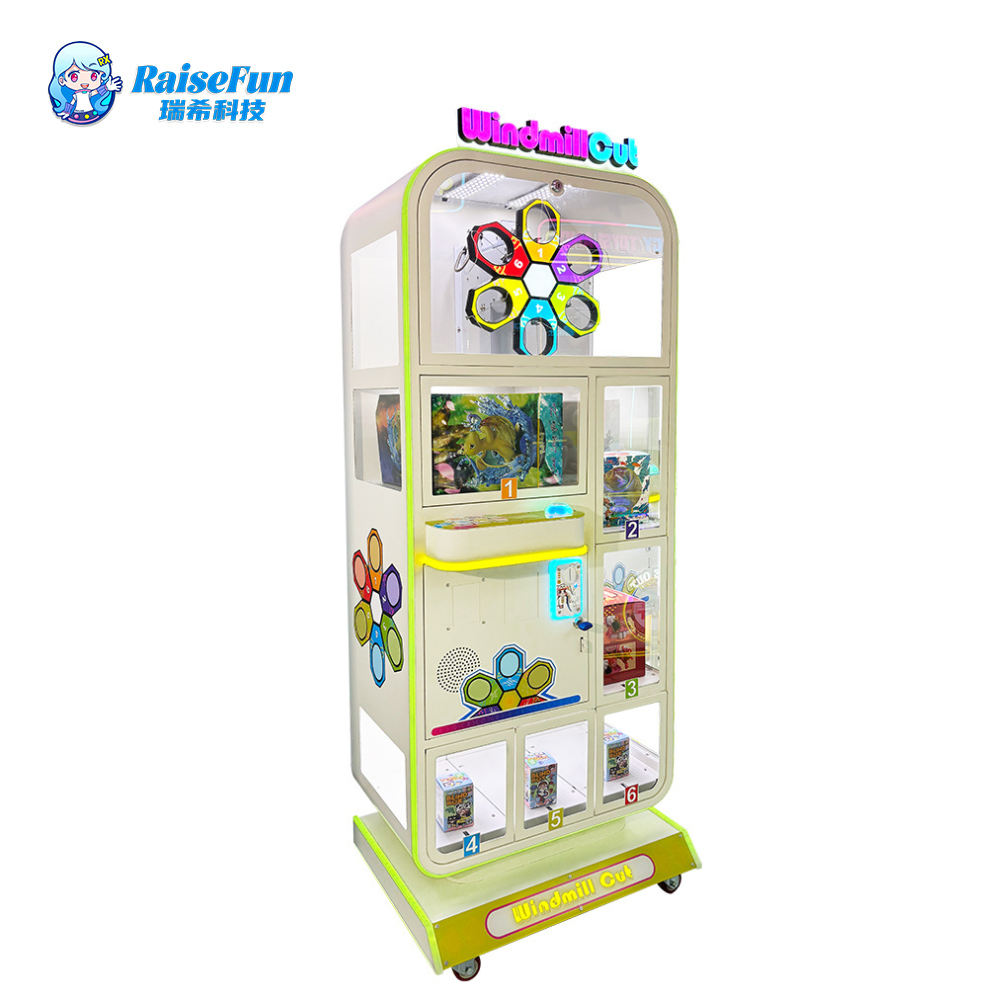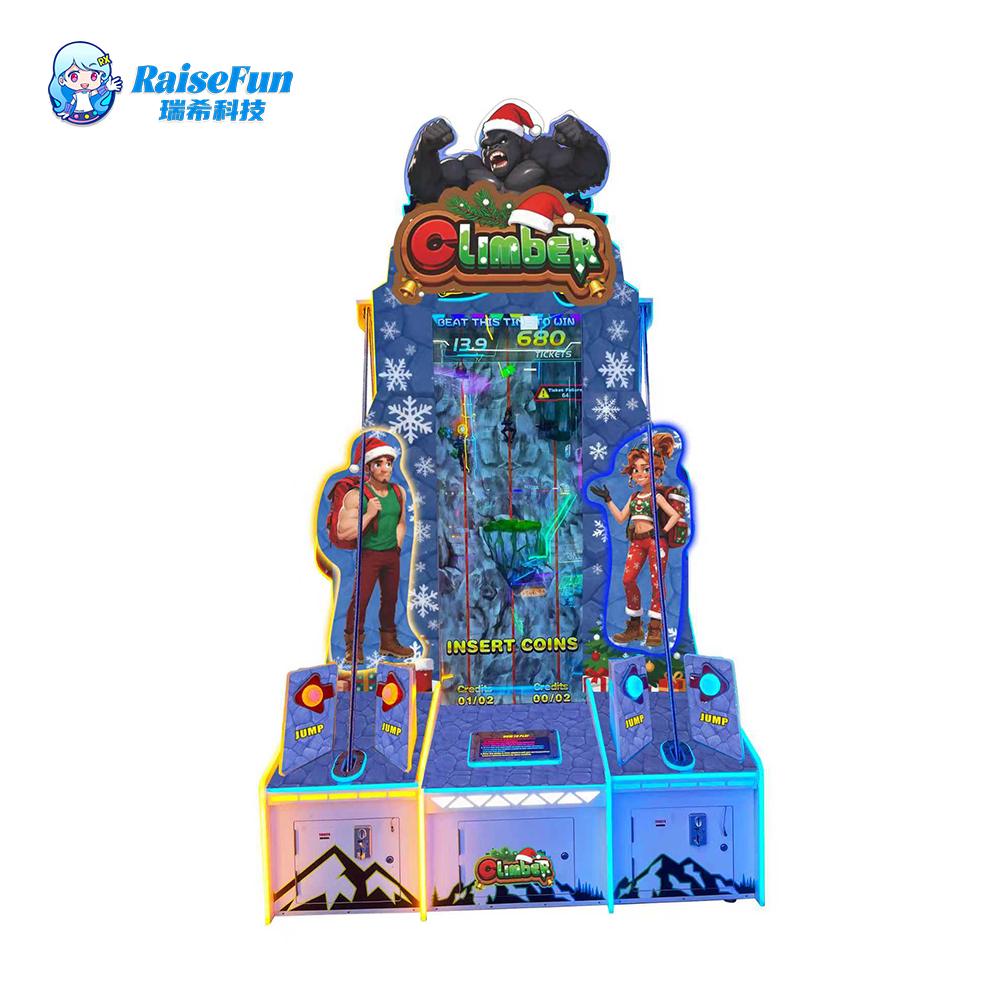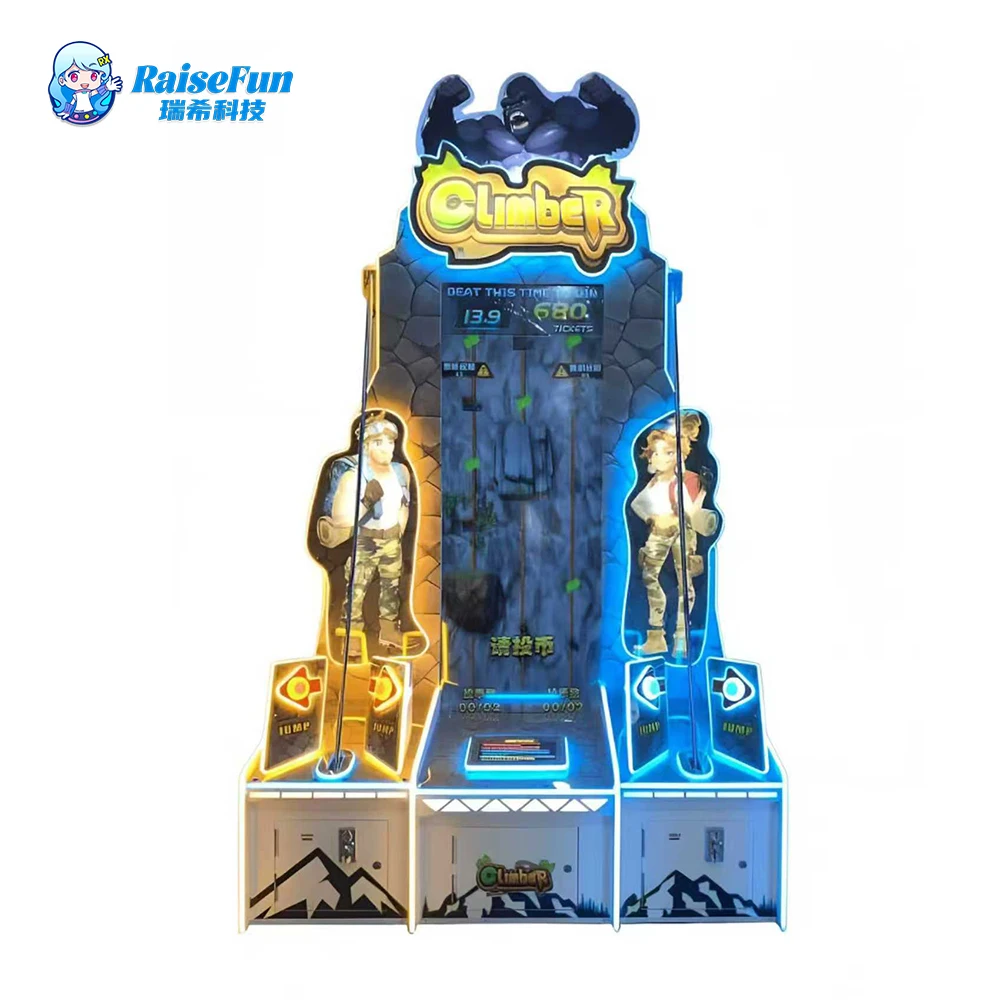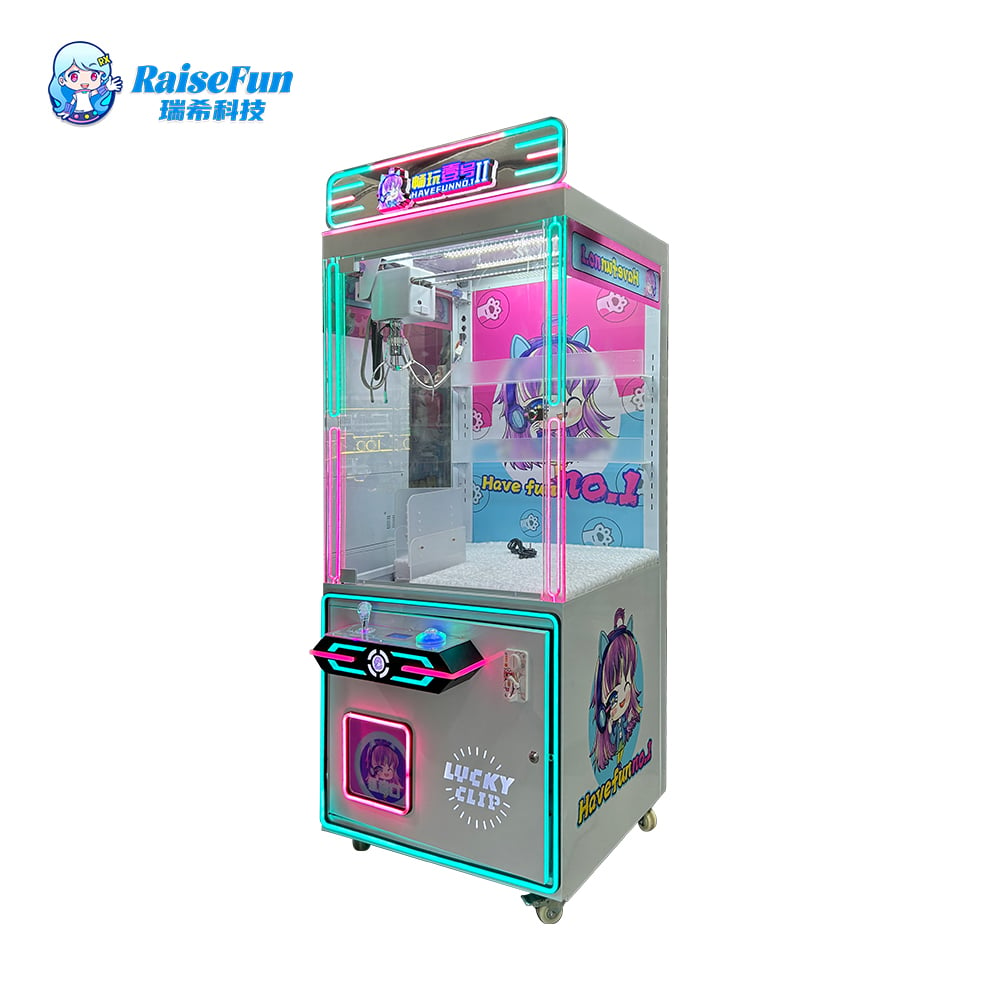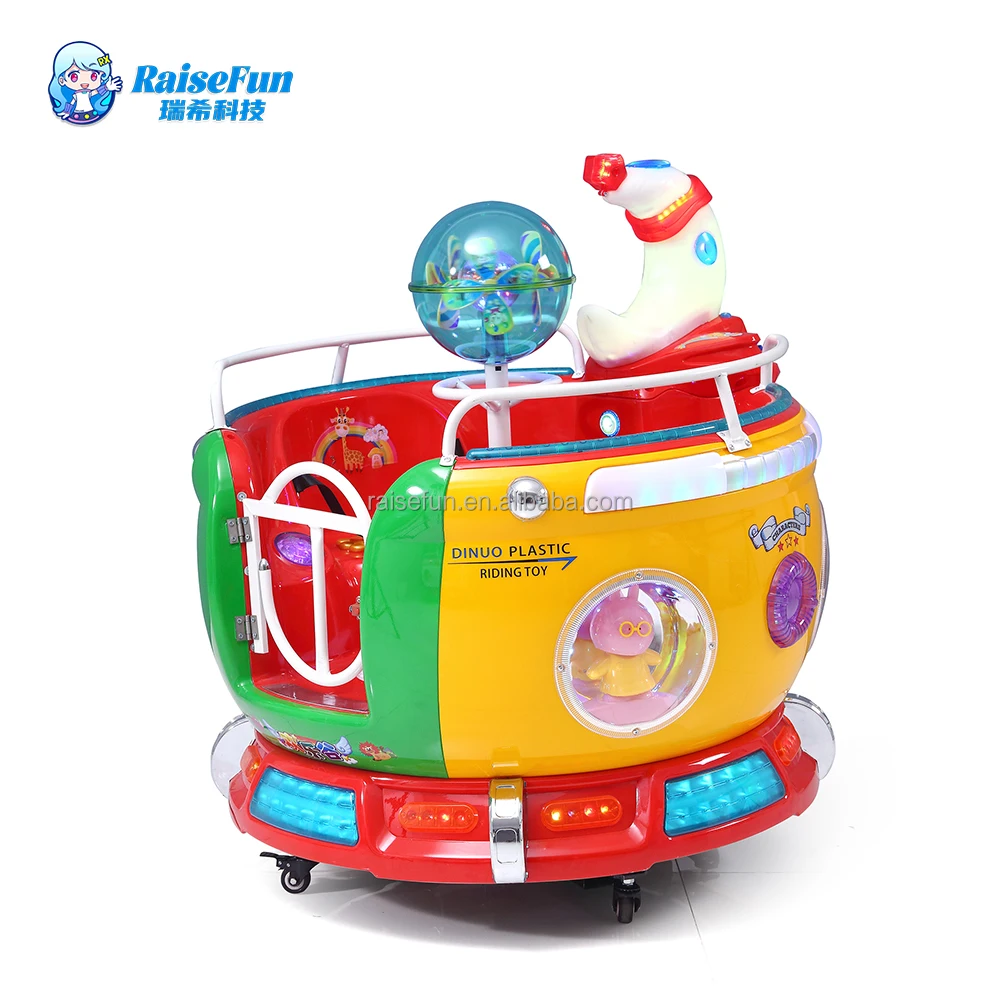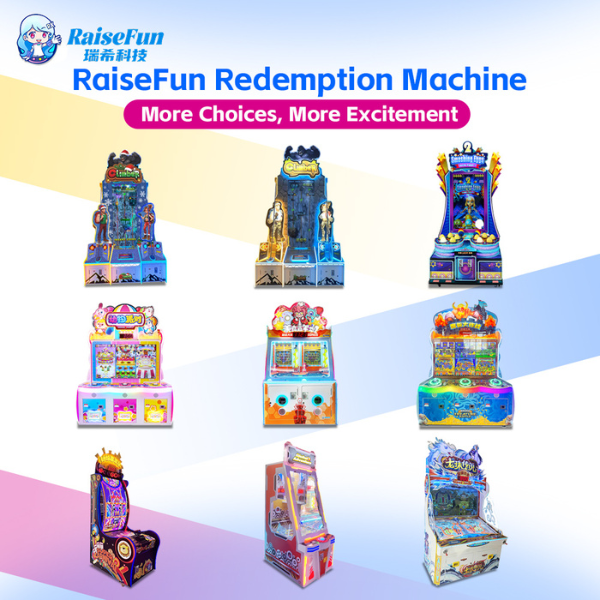
Good arcade games really depend on getting into what makes players tick and pulling them right into the action with solid gameplay loops. When designers mix instant gratification with gradually tougher challenges, people tend to stay engaged longer. The whole experience gets even better when multiple senses are involved. Think about those cool sound effects, flashy lights, and the way machines vibrate when something exciting happens. These elements create deeper connections and make players feel actually present in the game world. Newer arcade cabinets equipped with sensors and touch screens respond almost instantly to player actions, which makes everything feel more interactive. Industry reports suggest these features boost customer happiness by around 40 percent, though numbers can vary depending on location and crowd. At the end of the day, it's all about making sure controls work smoothly, keeping difficulty levels fair throughout, and packing in enough sensory stimulation to keep folks coming back for more. RaiseFun, a one-stop arcade venue solution provider with 15 years of experience, embeds this immersive design philosophy into its entire product ecosystem and venue planning. Its game series (such as racing simulators, interactive boxing machines, and redemption games) are equipped with advanced multi-sensory feedback systems—synchronized RGB lighting, 360° surround sound, and responsive vibration effects. More importantly, these immersive games are tailored to the venue’s overall theme (e.g., sci-fi, sports, fantasy) through RaiseFun’s customized design service, creating a cohesive sensory experience that pulls players into the entire venue rather than just individual machines.
Game scores and competition elements really keep people coming back for more. When players can see their points go up or track their progress clearly, it gives them that instant gratification feeling which makes them want to play again. Leaderboards take this even further because they let everyone know who's winning, creating friendly rivalries among friends and strangers alike. Arcade centers that have big screens showing rankings often find customers staying around 30% longer than usual just trying to beat someone else's score. Good game design finds that sweet spot between easy enough for newcomers but still tough enough to challenge experienced players. This creates environments where people naturally think "just one more round" without realizing how much time has passed, something operators love since it means more money coming in over time. RaiseFun amplifies this competitive engagement at the venue level: its games feature integrated score tracking and leaderboard systems that can be connected to a venue-wide digital display. For example, high scores from racing simulators, skill-based redemption games, and air hockey tables are aggregated on a central screen, fostering cross-game competition. The company also links leaderboard performance to venue membership perks—top players earn bonus redemption tickets or discount vouchers for other attractions—turning individual game competition into holistic venue loyalty.
Arcades these days really hinge their success on multiplayer options and games that people want to share socially. Most folks are looking for ways to enjoy themselves together, and the numbers back this up pretty clearly. Machines that support multiple players tend to make around 35 percent more money compared to those meant for solo play. What happens is these games turn into places where groups gather, which keeps people hanging around longer than usual. The cool thing about them is all the extra stuff they offer too. There's team play modes, fun photo opportunities during gameplay, and ways to show off scores online after leaving the location. Operators have noticed something interesting though. When game designers actually think about how easy it is to share experiences while creating titles, customers come back more often. Friends get invited along just so they can try out what others did before or maybe even beat their high scores. RaiseFun caters to this demand by prioritizing multiplayer functionality in its core product lineup—from 2-player co-op redemption machines to 4-player racing simulators. As part of its one-stop service, the company also designs "social zones" within venues, clustering multiplayer games with photo booths and seating areas to encourage group gatherings. Additionally, its games support easy social sharing (e.g., QR codes for score screenshots), turning on-site experiences into off-line promotion for the entire venue.
An optimized layout directly impacts traffic flow, engagement, and profitability. Poor spatial planning leads to congestion and frustration, while thoughtful design guides players organically through the space, increasing time spent and games played.
Mistakes happen all the time when setting up spaces, especially putting too many people in busy spots, making paths that just end nowhere, or tucking away the best games where nobody sees them. When operators position machines or prize stands right in front of where folks naturally walk, it really messes with how people move around. Some studies looking at foot traffic show this kind of blocking can cut down actual playing time by about 30 percent. The result? Visitors don't explore as much and miss out on what makes the place worth visiting. And that means lower customer happiness and, surprise surprise, less money coming in for the business owners. RaiseFun avoids these pitfalls through professional venue layout planning as part of its one-stop solution. Its team conducts in-depth foot traffic analysis before design, ensuring main walkways (at least 4 feet wide) are unobstructed, and high-value attractions (e.g., new redemption machines, VR simulators) are placed in high-visibility areas. By optimizing the entire venue’s flow, RaiseFun helps operators maximize player exploration and minimize frustration, directly boosting overall engagement and revenue.
Putting popular attractions such as racing simulators and redemption machines in the middle where everyone can see them really pulls people further inside the facility. Creating paths that loop around rather than ending abruptly keeps folks moving through the space, and keeping walkways about four feet across makes it easier for crowds to flow without getting stuck. According to some industry studies, places that follow this kind of layout tend to keep visitors hanging around 25 to 40 percent longer than spots with messy arrangements. Makes sense when you think about how frustrating it is to bump into walls or get backed up in tight spaces. RaiseFun’s venue planning service specializes in this strategic placement: it uses circular or looped path designs to guide players naturally through the entire space, placing iconic attractions (like its flagship racing simulators) as "magnet points" to draw traffic deeper into the venue. The company also ensures clear sightlines between zones, so players can easily spot other attractions (e.g., kids’ soft playgrounds, DIY toy rooms) while playing, encouraging cross-area exploration.
When arcade operators zone their floors properly, it really helps visitors find what they want faster and gets them more engaged overall. Take racing games for instance—many places put these together in what they call a speed zone complete with special lights on the floor that make everything feel like a real race track. There's actually some science behind this stuff too—studies show people tend to hang out about 40 percent longer when the space around them matches the theme consistently compared to random setups where different game types are mixed together. And separating those loud action sections from the calmer redemption areas makes sense for everyone involved. Some folks just want to chill and collect prizes after all, so keeping those areas apart prevents noise complaints and keeps things moving smoothly throughout the whole facility. RaiseFun excels in thematic zone design as part of its one-stop venue solution. It creates tailored zones based on the venue’s target audience: a "Family Fun Zone" with soft playgrounds and kid-friendly redemption machines (equipped with gentle lighting and sound), a "Thrill Zone" with high-energy racing simulators and boxing machines (featuring dynamic lighting and bass-heavy audio), and a "Relaxation Zone" with redemption counters and seating areas. Each zone’s sensory elements (lighting, sound, decor) are coordinated to create a cohesive experience, while clear signage guides movement between zones, maximizing the entire venue’s dwell time.
Picking the right games really depends on who comes through the doors most often at any given location. Kids under ten tend to get excited about those basic claw machines and spinning rides they can operate themselves. Teenagers are all over rhythm games, fighting simulations, and anything with fast paced action. For grown ups, there's something special about challenging friends at skill based games or playing old school favorites from their childhood days. The numbers back this up too – places that carefully select games according to their regular customers see around 35-40% better engagement overall. When operators get this right, visitors stay longer, have more fun, and end up spending extra cash without even realizing it sometimes. RaiseFun simplifies this selection process through its data-driven, venue-tailored approach. Drawing on 500+ global successful cases, the company recommends game combinations based on the venue’s target demographics: for family-focused centers, it suggests a mix of kid-friendly claw machines, DIY vending machines, and soft playgrounds; for teen/adult venues, it prioritizes skill-based racing simulators, rhythm games, and competitive redemption machines. This personalized selection ensures every game in the venue resonates with the audience, boosting overall engagement and spend.
Arcade operators have noticed something interesting lately: skill based games and redemption machines tend to bring in way more money compared to regular old cabinets. The redemption games work especially well for family crowds and younger folks who love collecting prizes, while the skill based ones draw in people who want to show off their abilities and beat high scores. A look at industry numbers from last year shows these types of games actually pull in about 60% extra cash per square foot when compared to traditional arcades. What makes this happen? Well, most players find themselves coming back again and again because of how addictive these games can get, plus there's always that thrill of winning something tangible. For anyone running an arcade today, investing in these kinds of attractions seems pretty much essential if they want to stay ahead financially. RaiseFun’s core product portfolio focuses on these high-ROI games, including skill-based boxing machines, precision redemption games, and hybrid skill-luck claw machines. As part of its one-stop service, the company integrates these games into the venue’s overall profit strategy—placing high-performing redemption machines near high-traffic areas (e.g., entrances, food courts) to drive impulse plays, and skill-based games in competitive zones to boost dwell time. With its 2000㎡ factory and global supply chain, RaiseFun ensures these high-ROI machines are cost-effective and durable, maximizing the entire venue’s revenue per square foot.
A local family fun center in the Midwest decided to refresh its old game collection by swapping out about 30% of the outdated machines for newer skill-based games and redemption attractions that matched what their regular customers wanted. Just 14 months later, those new additions were already paying off big time - generating nearly 2.5 times the initial investment and bringing in almost 85% more money than the old ones did. The real magic happened because they got who their different age groups actually liked to play. Kids gravitated toward the redemption games where they could win prizes, while teenagers and grown-ups spent more time on the skill-based challenges that tested their abilities. What this shows is pretty straightforward really: when arcade owners pick games based on who walks through their doors, everyone wins. The place becomes more fun for visitors and makes better money at the same time. RaiseFun has replicated this success in numerous global venues. For example, a family entertainment center in Southeast Asia partnered with RaiseFun to replace 35% of its outdated games with a tailored mix of kid-friendly redemption machines, skill-based racing simulators, and soft playground equipment. Within 12 months, the venue achieved a 2.3x ROI on the new investments, with overall revenue increasing by 90%. This success stemmed from RaiseFun’s holistic approach—matching games to demographics, optimizing their placement within the venue, and integrating them with the center’s existing attractions to create a seamless experience.
When game lineups stay the same for too long, people start getting bored with what they see every time they walk in. The thrill wears off when there's nothing new to discover, and our brains just don't light up the same way anymore. Some studies indicate that arcades which only update about 20% of their games each year tend to lose around 40% of their regular customers compared to places that keep things fresh more often. Think about it this way: if someone comes back week after week and sees the exact same machines, eventually they'll stop coming altogether. New games bring excitement, keep folks coming back more frequently, and ultimately mean better business results for arcade owners who understand this simple truth. RaiseFun addresses this challenge through its ongoing venue support service, which includes regular game rotation recommendations and rapid customization options. The company helps operators avoid stale lineups by analyzing the venue’s operational data (play frequency, revenue per machine) to identify underperforming games, and provides tailored updates—from software upgrades for existing machines to new game replacements that align with the venue’s theme and audience. This proactive approach ensures the entire venue remains fresh and appealing, retaining regular customers and attracting new ones.
Keeping things fresh without overwhelming customers requires a balanced approach to rotations. Most experienced operators suggest changing around 15 to maybe 25 percent of what's on offer somewhere between 12 and 18 months down the road, adjusting for when people actually show up in bigger numbers. The smartest businesses tend to follow a layered plan. Their top earners get new looks or software tweaks roughly every six to nine months, nothing too drastic just enough to keep them competitive. For complete overhauls though, companies usually wait two to three years depending on how well something sells and what guests are saying about it during those visits. RaiseFun formalizes this refresh cycle as part of its one-stop venue operation support. It provides operators with a customized rotation plan based on the venue’s peak seasons and customer feedback: 15-25% game updates every 12-18 months, software/visual tweaks for top performers every 6-9 months, and full overhauls every 2-3 years. The company’s 3-day rapid customization service (including LOGO, theme, and game mode adjustments) makes it easy for operators to refresh existing machines without large additional investments, ensuring the venue maintains novelty while controlling costs.
When it comes to game rotations, going with data really makes all the difference. Operators who track things like how often people play certain machines, what kind of money they make per square foot of floor space, and who their regular customers are tend to spot problems faster. They know which units just aren't cutting it anymore and where new ones would fit best. Rotations around special themes for holidays or big local events always seem to get folks talking about them again. Some arcades even team up with hot TV shows or video game series to give old hardware a fresh spin that brings back nostalgic players. Smart arcade owners set aside little areas called discovery zones where they test out brand new games first. This gives regulars something new to check out without committing to a full rollout yet, plus it lets management see how well these games actually perform with real customers. RaiseFun supports these rotation strategies with data analytics and flexible solutions. The company provides operators with access to operational data tracking tools to identify underperforming games, and offers themed game rotations (e.g., holiday-themed redemption machines, IP-collaborative racing games) to align with seasonal events. It also recommends "discovery zones" in venue layouts, where operators can test new games from RaiseFun’s latest lineup—minimizing risk while keeping regulars engaged. These strategies, part of RaiseFun’s holistic venue support, turn game rotation into a driver of repeat visits and long-term venue success.
Maximizing player engagement in arcades is not about individual game design alone, but about creating a cohesive, audience-centric venue ecosystem where every element—from immersive games and strategic layout to tailored game selection and regular updates—works in harmony. RaiseFun, with 100+ export countries, 2000+ global customers, and AAA-level credit certifications, delivers this ecosystem through its comprehensive one-stop venue solution. The company does not just supply arcade games; it partners with operators to design, build, and operate entire entertainment spaces. From 50+ R&D team developing immersive, high-ROI games (skill-based, redemption, multiplayer) to professional venue planning (thematic zones, optimized flow, strategic placement), and from rapid customization (3-day turnaround) to ongoing operational support (game rotation, data analytics), RaiseFun covers every link of the venue lifecycle. By focusing on the "entire venue" rather than single products, RaiseFun helps operators create spaces that attract diverse audiences, boost dwell time and repeat visits, and achieve sustained profitability. For global arcade entrepreneurs, RaiseFun’s one-stop venue solution is the key to turning effective game design into long-term venue success.
 Hot News
Be the first to get our latest styles and offers.
Copyright © Guangzhou Ruixi Technology Co., Ltd.now All rights reserved - Privacy Policy

 EN
EN