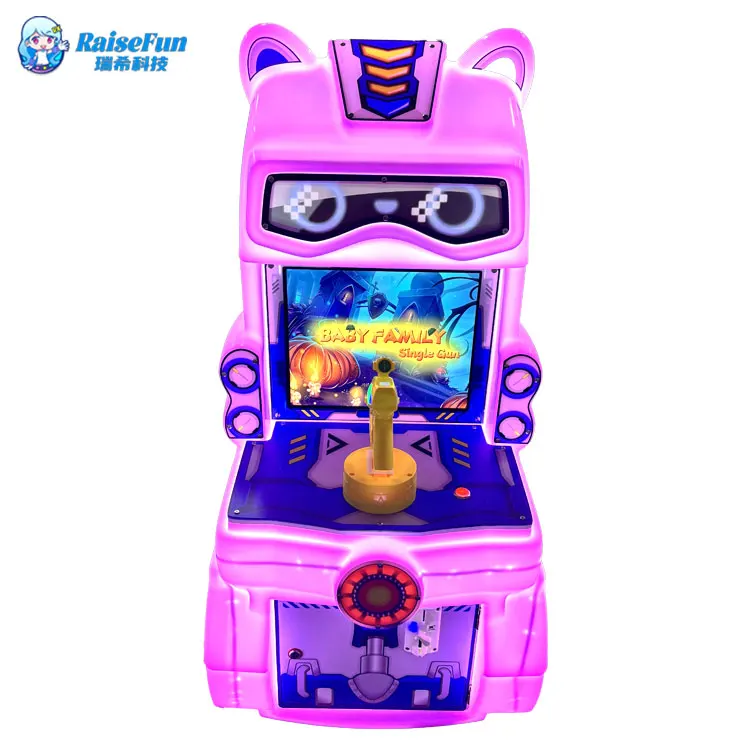
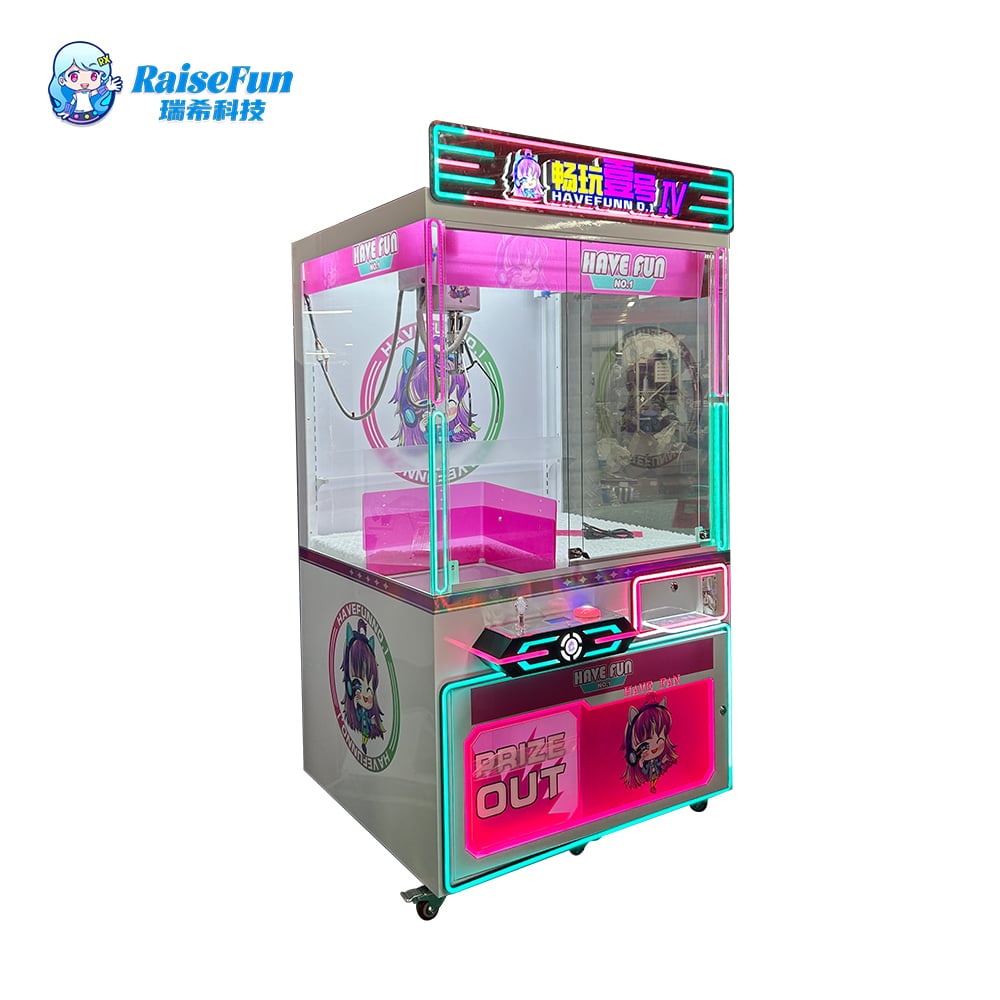
Arcade shooters really need short gameplay loops paired with quick feedback to keep people coming back for more. When games give players something right away after they do something, it creates this rhythm that feels almost musical. Every shot fired or enemy defeated gives immediate visual and sound effects that make players feel good about what they just did. This kind of instant gratification keeps them hooked. Studies suggest games with fast feedback can boost how long people stick around by roughly 40 percent over games where things take longer to happen. That makes quick response times probably the best way to hold onto players in these kinds of games. RaiseFun, with its 50+ R&D team, integrates this design philosophy into its arcade shooting game series—such as its interactive light gun shooting machines—while aligning them with the overall venue’s engagement strategy. The company’s one-stop solution ensures that the fast feedback mechanics of shooting games are coordinated with other venue attractions (e.g., redemption zones, sport simulators), creating a cohesive flow that encourages players to explore the entire space after enjoying shooting games.
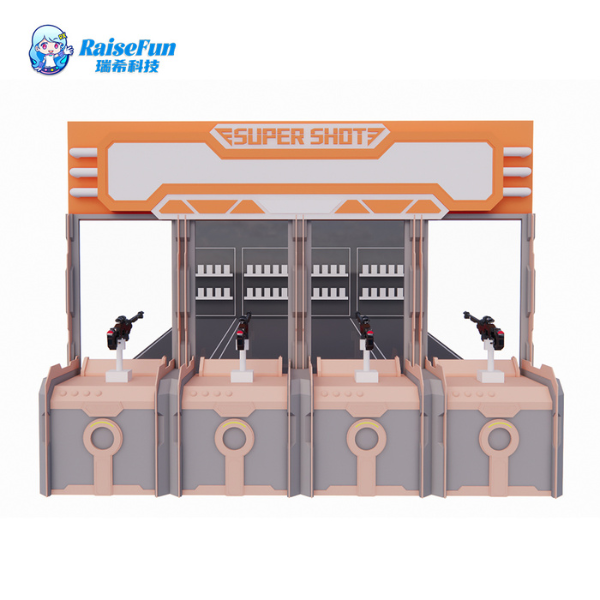
What really matters in game design are those fundamental elements like easy aiming, controls that respond just right, and challenges that get tougher as players progress. When developers strike the right mix between what players can actually do and the element of luck, something interesting happens. Players lose track of time because they're so absorbed in what they're doing. Good game mechanics don't just keep people playing longer sessions though. They make folks come back again and again too. Most gamers will tell anyone who'll listen about how satisfying it feels to overcome obstacles they once found impossible, then tackle even bigger ones next time around. RaiseFun optimizes these core mechanics based on the target audience of the entire venue: for family-friendly venues, it adjusts shooting game controls to be more intuitive for kids and parents to play together; for adult-oriented arcades, it enhances the precision and challenge of aiming systems. These tailored mechanics are part of RaiseFun’s holistic venue planning, ensuring shooting games fit seamlessly into the venue’s overall positioning and drive repeat visits to the entire space.
Reward systems need to mix instant gratification with something bigger down the road if a game wants people coming back again and again. Think tiered points systems, hidden levels waiting to be unlocked, and achievements that track progress across sessions. These elements create different hooks for players at various stages. The numbers back this up too—games that have these multi-layered rewards tend to keep players engaged about 30 percent longer over half a year compared to simple score counters. Players just want to feel like they're making real progress, not just collecting arbitrary points. That sense of accomplishment matters more than we might realize when talking about keeping someone interested in a game for the long haul. RaiseFun links the reward systems of its shooting games to the venue’s overall redemption ecosystem: points earned from shooting games can be redeemed for prizes at the venue’s redemption counter, and unlocked achievements can be synced with the venue’s membership perks. This cross-attraction reward linkage strengthens the connection between players and the entire venue, turning single-game enjoyment into long-term venue loyalty.
Games that stick to basic design rules such as setting clear goals, gradually increasing challenges, and letting players advance based on their skills tend to create that feeling of accomplishment which makes people want to keep playing. We've seen machines with these kinds of features hold about half again as many players during busy times compared to games where the progression feels random or forced. The whole journey from being totally new at something to becoming pretty good at it really keeps folks coming back for more. They get hooked on figuring out each stage and moving forward. RaiseFun embeds these fundamental design rules into all its arcade shooting games and integrates them into the venue’s skill progression system. For example, the difficulty curve of shooting games is aligned with other skill-based attractions in the venue (e.g., racing simulators, air hockey tables), creating a unified "skill growth path" for players across the entire venue. This design ensures that players’ sense of accomplishment extends beyond individual games, driving them to return to the venue to explore and improve across all attractions.
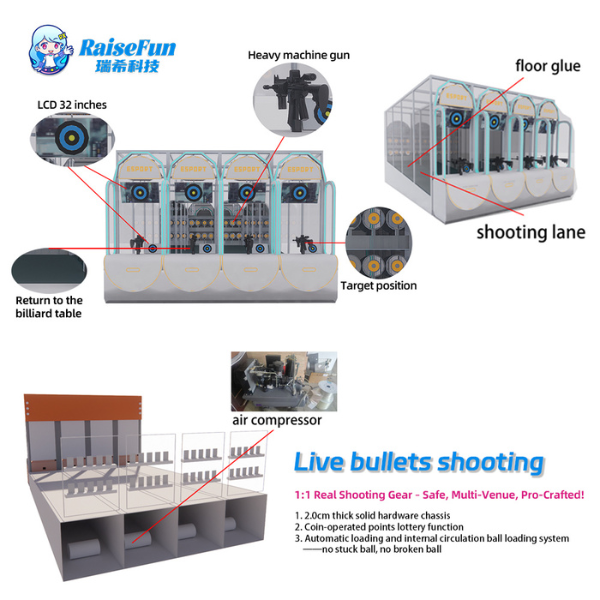
Good game design often mixes quick responses with reward levels that keep players coming back for more. When gamers get instant feedback on what they do - like seeing points flash on screen, hearing satisfying sounds, or watching cool animations pop up - studies show they tend to enjoy the experience about 70% more than when there's no immediate response. The real magic happens when developers layer these quick hits onto longer term goals too. Things like unlocking new areas or special game modes create that sweet spot where players want to keep playing session after session because each run brings something different but still familiar. RaiseFun’s one-stop venue solution enhances this magic by customizing reward systems and gameplay loops according to the venue’s operational goals. For instance, in high-foot-traffic venues, the company designs shorter, reward-dense gameplay loops for shooting games to increase turnover; in leisure-focused venues, it extends loops with more hidden goals to boost dwell time. All these adjustments are part of the venue’s overall profit and retention strategy, ensuring shooting games contribute to the entire space’s success.
When games adjust their difficulty based on what players actually do, people tend to stick around longer. The system keeps track of things like how accurate someone is shooting or how fast they react, then tweaks stuff like enemy behavior, how often bad guys show up, and even where they aim. This kind of smart scaling makes all the difference. Studies suggest that gamers who face challenges matched to their skill level come back about 40 percent more often than those stuck with settings that don't fit. Nobody wants to play something that's either boringly simple or maddeningly tough, right? Getting this balance right keeps folks coming back for more. RaiseFun’s shooting games are equipped with advanced dynamic difficulty adjustment technology, which can be further calibrated according to the venue’s customer demographic data (provided by the company’s operational support service). This ensures that the difficulty of shooting games matches the skill level of the venue’s main audience, maximizing engagement and repeat plays. Moreover, the company’s technical team provides ongoing adjustments based on venue operation data, keeping the challenge balanced as the audience evolves.
People love competing against each other, which is why leaderboards and rankings keep folks coming back for more gameplay time after time. The addition of daily and weekly challenges keeps things interesting compared to those static score boards that never change. A lot of regular gamers actually enjoy the extra layers of difficulty too, especially when developers manage to make complex features still easy enough for newcomers to pick up. Some studies show around 60 percent of veteran players appreciate this mix of challenge and approachability. That balance makes game design elements work really well across different player types from hardcore fans to weekend warriors who only have spare moments here and there. RaiseFun integrates venue-wide competitive gamification elements into its shooting games: the high-score system of shooting games is linked to the venue’s global leaderboard (covering all skill-based attractions), and weekly shooting challenges are combined with venue-wide events (e.g., "Arcade Challenge Week"). This cross-attraction competition turns individual game rivalry into venue-wide engagement, encouraging players to return regularly to maintain their rankings and participate in collective events.
Time Crisis exemplifies balanced design through its pedal-activated cover system and time-limited stages. The game builds tension with escalating difficulty and visible score multipliers, creating a compelling risk-reward dynamic. Its continue system supports monetization while rewarding persistence, allowing players to experience gradual mastery—a key driver of replayability. Drawing on such successful cases, RaiseFun designs its shooting game series with balanced mechanics and reward systems, while going a step further by integrating them into the venue’s overall ecosystem. For example, similar to Time Crisis’s persistence reward, RaiseFun’s shooting games offer "venue loyalty points" for continuous play, which can be used across the entire venue (e.g., discount on redemption prizes, priority access to new attractions). This venue-level reward extension enhances the long-term replay value of shooting games and drives overall venue retention, as demonstrated in RaiseFun’s 500+ global successful venue cases.
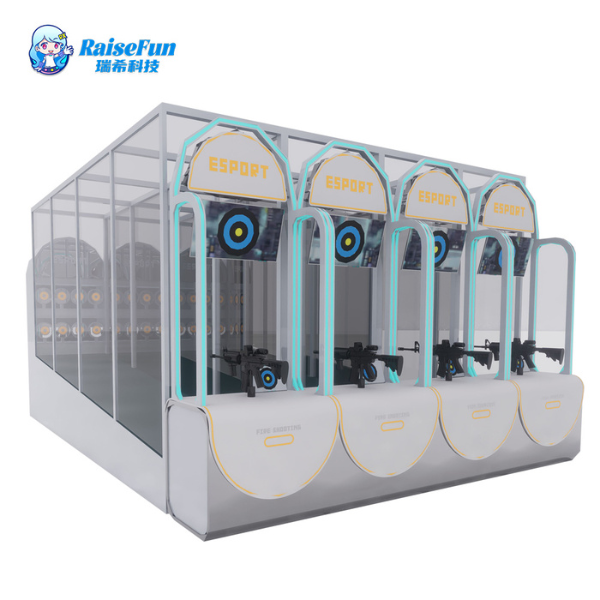
What makes arcade games so immersive starts with how they look and sound together. The right lighting setup combined with carefully placed speakers can really set off each game area, making them stand out even when someone walks past from across the room. Studies indicate that when games hit multiple senses at once, people get hooked about 40 percent more than just seeing something cool on screen. This explains why those regular old game machines suddenly become these irresistible spots in places like shopping malls or family entertainment centers where folks just can't resist giving them a try. RaiseFun specializes in creating such immersive zones as part of its venue design service: for shooting game areas, it configures programmable RGB LED lighting (synchronized with in-game events) and 360-degree surround sound systems, while integrating these sensory elements with the venue’s overall theme (e.g., sci-fi, adventure). This holistic sensory design turns shooting game zones into eye-catching hubs that attract foot traffic from across the venue, boosting both shooting game uptake and exploration of other areas.
Sound and visuals team up to steer players through games and give them that satisfying reward feeling when they do something right. When enemies lurk just outside what's visible on screen, directional audio cues let players know danger is near. Meanwhile, bright flashes on impact, those little red X marks after getting hit, and big explosions all tell gamers their attacks landed successfully. The numbers back this up too—games that sync their sounds and visuals properly tend to keep people playing about 30 percent longer than ones without this coordination. Makes sense really—good sensory feedback keeps folks engaged because everything feels more real and responsive during gameplay. RaiseFun’s R&D team prioritizes the synchronization of audio and visual feedback in its shooting games, ensuring that every shot, hit, and victory has a distinct and satisfying sensory response. As part of the company’s one-stop service, these sensory features are calibrated during on-site installation to match the venue’s acoustic and lighting environment, maximizing engagement while maintaining a harmonious atmosphere across the entire venue.
Today's cabinets come with programmable RGB lights and surround sound tech that really makes people feel immersed in the game. The lights change colors based on what happens in the game too—flashing bright red when something goes wrong or beating out rhythm during tough boss battles while the speakers create sounds that help players know where things are happening around them. All these fancy features mean the whole setup reacts almost instantly to how someone is playing, making for a much more engaging experience overall. People tend to come back again and again because it feels so much more alive than regular setups. RaiseFun stays at the forefront of this trend by integrating the latest LED lighting and surround sound technology into its shooting game cabinets. Moreover, the company offers these advanced features as part of its venue upgrade service, helping existing venues refresh their shooting game zones and enhance the overall sensory experience of the entire space. With its 2000㎡ factory and global supply chain, RaiseFun ensures timely delivery and installation of these advanced machines, supporting venues in staying competitive with cutting-edge immersive experiences.
Making arcade shooters accessible brings in more people without making the games any less thrilling. Features like adjustable control sensitivity, bright color contrasts on screens, and sound cues when something important happens let folks with different skill levels join in properly. The menus are straightforward to navigate and the setup guides aren't confusing at all, which means newcomers won't get stuck trying to figure things out. At the same time, experienced gamers find enough complexity to keep them engaged too. Arcade owners see better business results from these inclusive setups since they attract wider crowds throughout the day. RaiseFun embeds accessibility into its shooting game design and venue planning: its shooting machines offer adjustable control sensitivity, multilingual interfaces, and clear visual guides, while the venue layout ensures wheelchair access to shooting game zones (complying with global accessibility standards). These inclusive designs are part of the company’s commitment to creating venues that welcome all audiences, broadening the venue’s appeal and boosting overall foot traffic.
Touchscreens make it much easier to navigate menus and let people set up controls how they want, which helps everyone from kids to grandparents get around better. Motion sensors are pretty cool too because they let folks interact with games using hand gestures instead of having to aim super precisely at tiny targets on screen. And there's even newer stuff coming out all the time, like voice commands and eye tracking technology that opens doors for gamers who might have trouble moving their hands or arms. Some companies are starting to combine these modern interfaces right next to old school light guns and button pads, creating setups where different players can switch between methods depending on what works best for them personally. RaiseFun integrates a variety of input methods into its shooting games—including touchscreens, motion sensors, and traditional light guns—and offers customization based on the venue’s target audience. For example, family venues get more intuitive motion control options, while competitive arcades retain precision light gun setups. As part of the one-stop service, the company’s installation team helps venues configure these input methods to match the needs of their main customers, ensuring a seamless user experience across the entire venue.
Where we put these machines really matters when it comes to getting people to notice them and actually play. Putting cabinets where folks naturally walk past, like close to entry points, around dining areas, or even near restroom locations, makes sense because people are already moving through those spaces. The ones sitting right alongside main walking paths tend to get played about 40% more often than the ones stuck in corners nobody sees. When players can clearly see what's going on and walk right up without bumping into anything, they're more likely to give it a try on a whim. Some places have started putting together groups of machines with special features that let friends play together, either at shared cabinets or with face to face games. These clusters create lively little hubs that attract groups of people, making solo gaming turn into something fun for everyone involved. Venues that do this usually see better money coming in too, plus their overall vibe gets a nice boost from all the activity. RaiseFun’s venue planning service specializes in such strategic placement: its team analyzes the venue’s foot traffic flow to place shooting game clusters near high-traffic areas (e.g., entrances, redemption counters), and designs social shooting zones (e.g., 2-player co-op or head-to-head cabinets) to create lively hubs. These placement strategies are integrated with the venue’s overall layout plan, ensuring shooting games drive foot traffic to other areas and enhance the entire venue’s atmosphere and revenue. With 15 years of industry experience, RaiseFun’s planning has helped 2000+ global venues optimize machine uptake and overall operational performance.
The success of arcade shooting games lies not only in engaging gameplay mechanics or immersive sensory design but also in how they integrate with the entire venue’s ecosystem. RaiseFun, as a leading one-stop arcade venue solution provider with 100+ export countries and AAA-level credit certifications, understands this core logic deeply. From the R&D of shooting games (with optimized mechanics, dynamic difficulty, and inclusive controls) to venue-level planning (strategic placement, cross-attraction reward systems, and thematic sensory zones), RaiseFun’s services cover every link of the process. The company does not just supply shooting game machines; it integrates them into a holistic venue solution that includes other attractions (redemption zones, sport simulators, kids’ areas), customization services (3-day rapid LOGO/language customization), after-sales maintenance, and operational support. By focusing on the "entire venue" rather than individual products, RaiseFun helps clients create cohesive, engaging entertainment spaces that drive repeat visits, boost overall revenue, and build long-term customer loyalty. For global arcade operators, RaiseFun’s one-stop solution is the key to turning arcade shooting games into a powerful driver of the entire venue’s success.
 Hot News
Be the first to get our latest styles and offers.
Copyright © Guangzhou Ruixi Technology Co., Ltd.now All rights reserved - Privacy Policy

 EN
EN