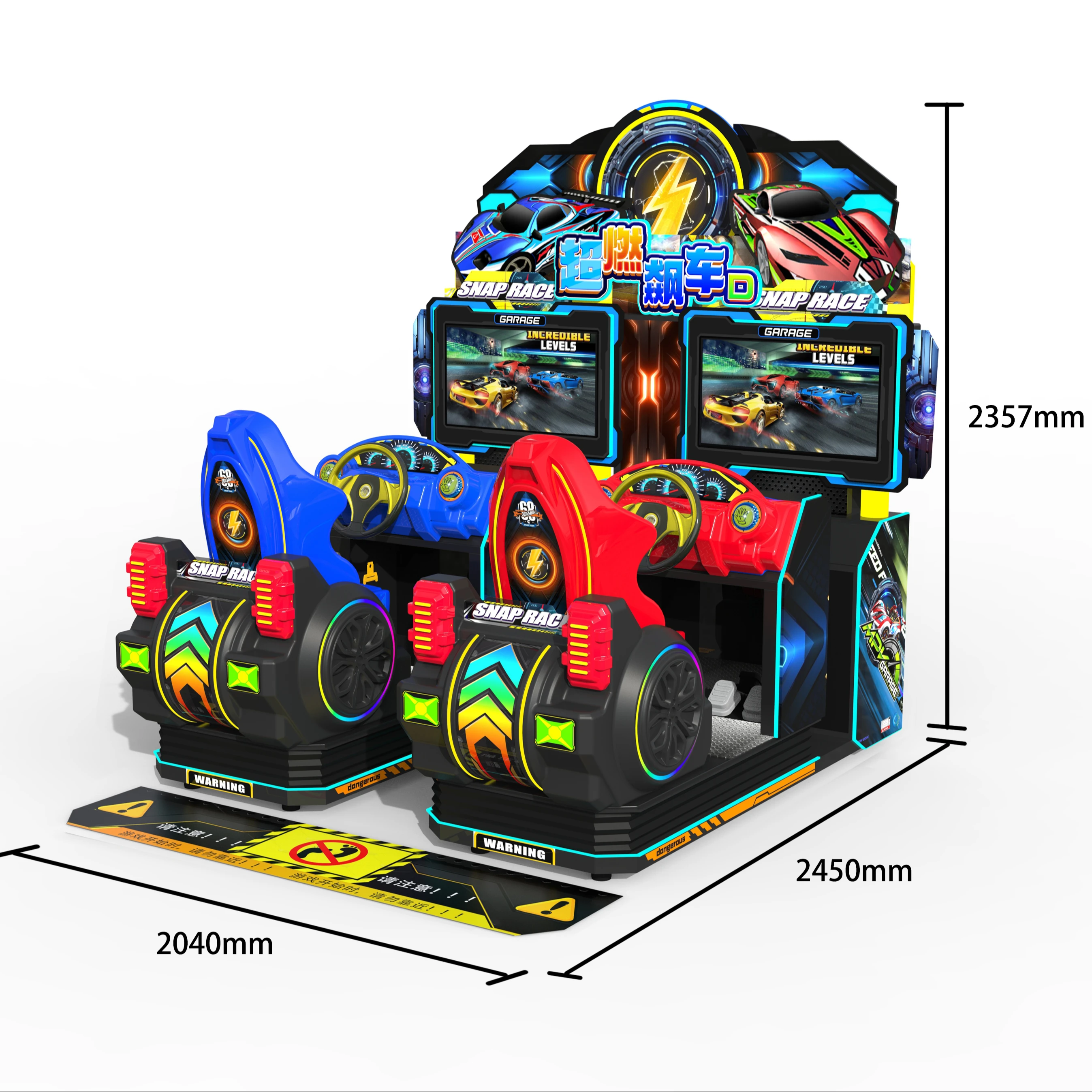
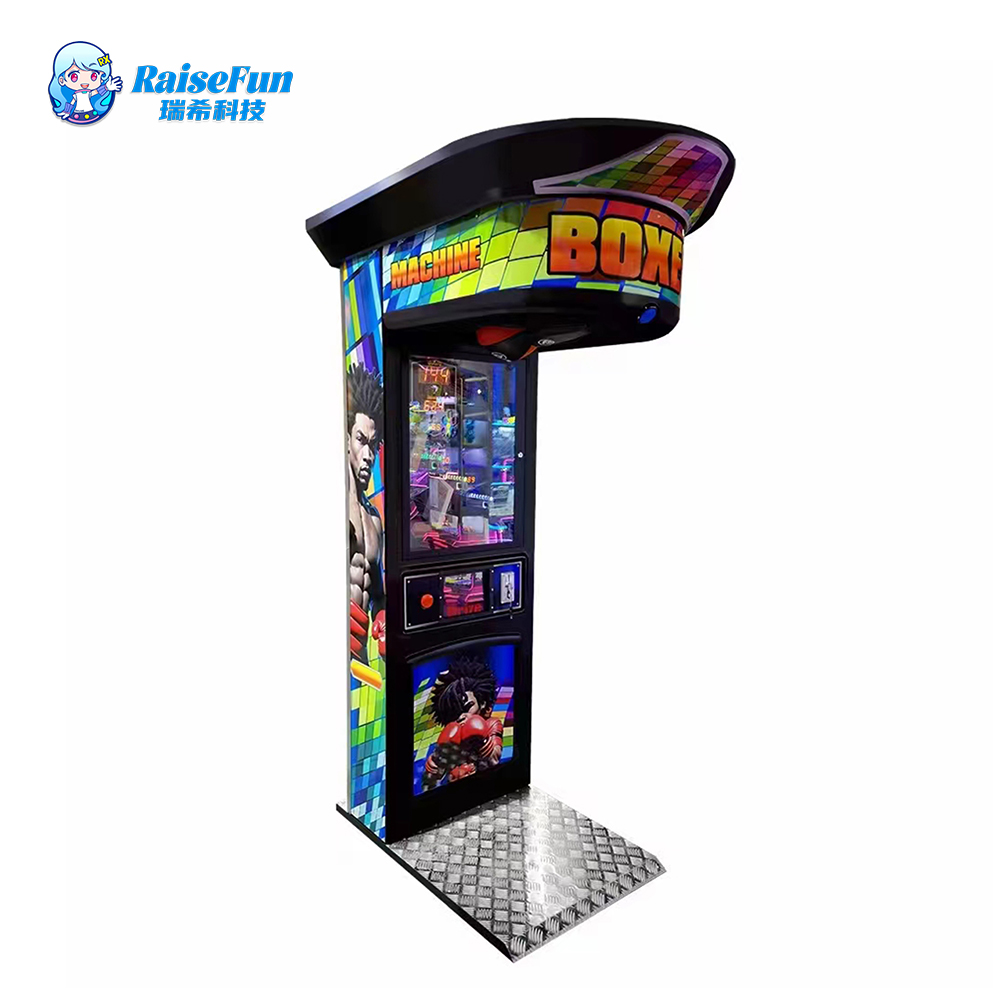
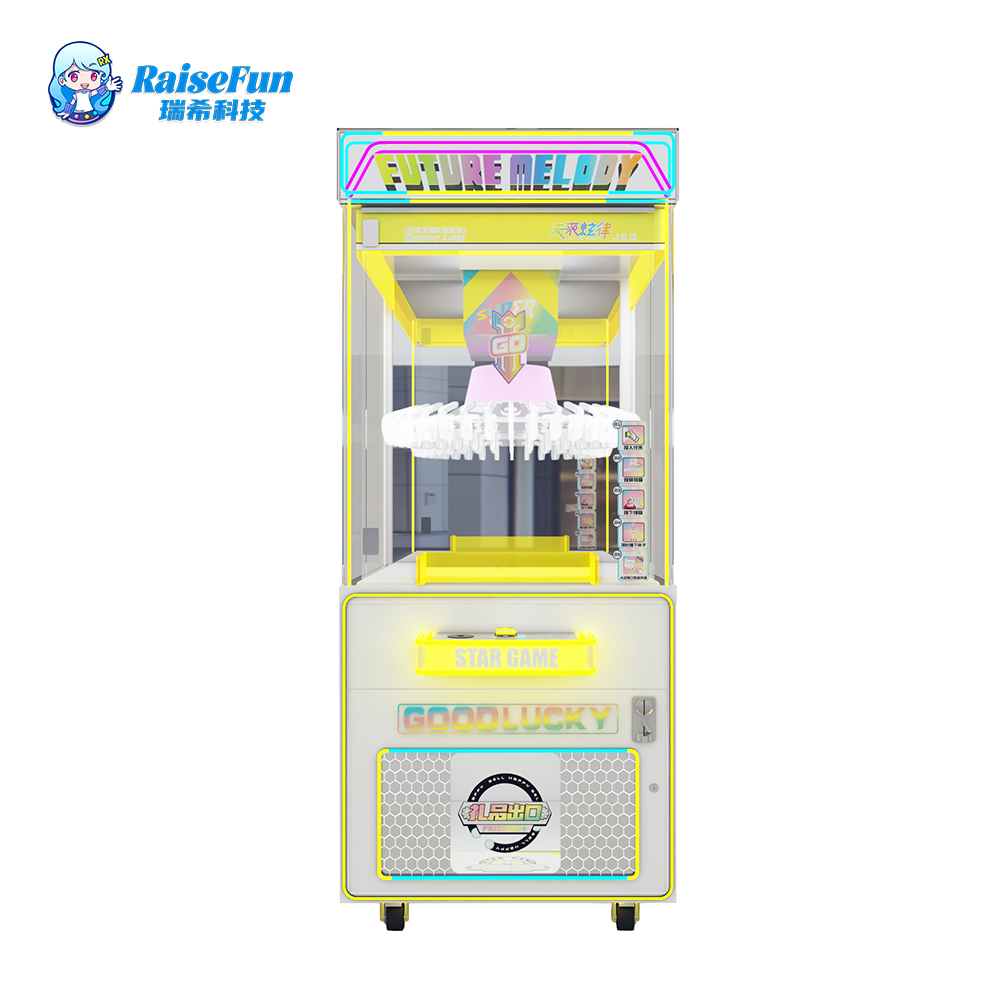
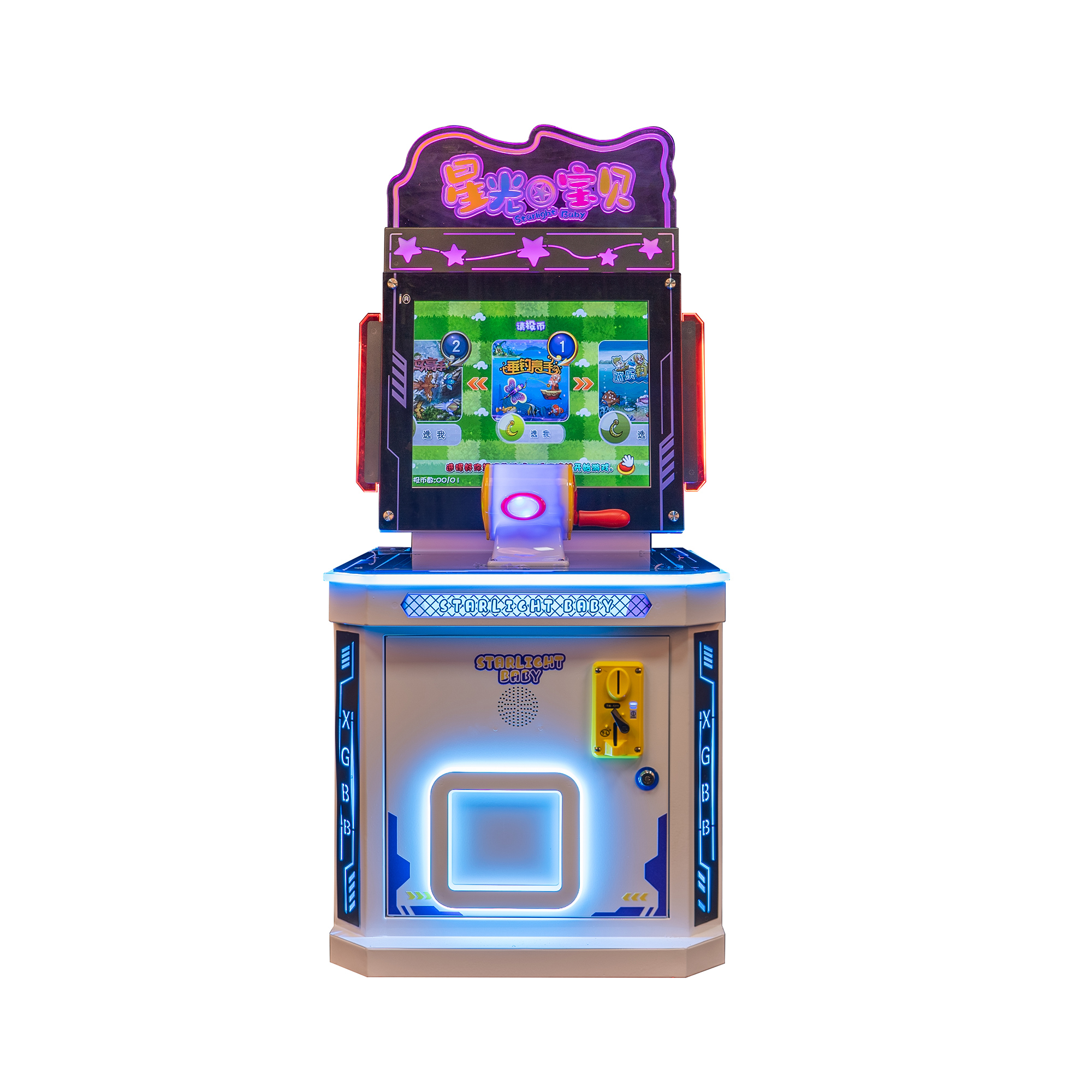
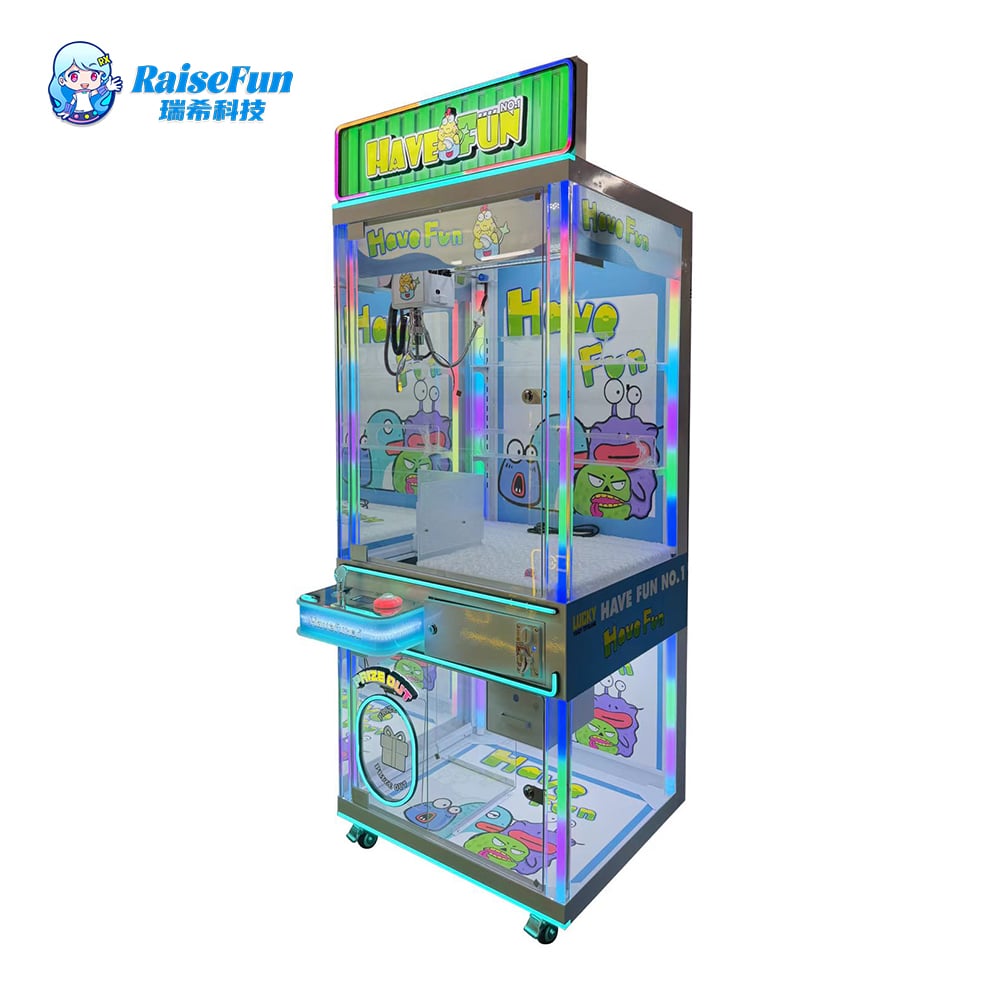
The market is packed these days, so brands need something special to stand out and create real feelings with customers. Custom arcade machines do exactly this by combining fun games with stories that reflect what the brand stands for. These aren't just generic machines from stores. They're made specifically for each company, featuring colors that match their branding, logos built right in, and games that tie back to their theme or message. When people play on these custom units, they don't just see a game anymore. They start connecting the excitement of playing with the brand itself. Many businesses report better customer engagement after installing these interactive displays at events or in retail spaces.
Arcades have always been social places, and this quality really boosts their effect. People just can't help but post pictures and videos of their games online, which spreads awareness naturally without costing extra on ads. New arcade machines actually track how people interact with them too - things like how long someone plays, what difficulty levels they choose, and whether they share their scores on social media. These details give venue owners valuable information about their customers. Places that install these special cabinets see visitors spending two to three times longer than those who only have regular digital kiosks around. This creates lasting memories that fight against the numbness consumers feel toward normal ads these days. When companies turn empty spaces into fun entertainment zones, they become pioneers in what's called the experience economy, worth about 23 billion dollars. People remember experiences far better than simple transactions, making this approach much more effective for building customer loyalty over time.
Custom arcade cabinets serve as 3D brand canvases where physical and digital design converge to create unforgettable touchpoints. They transform passive onlookers into engaged participants through deliberate aesthetic choices that mirror corporate identity.
Three core elements cement brand recognition within custom arcade cabinets:
This trinity transforms cabinets into cohesive sensory experiences—every interaction reinforcing brand ethos through intentional design synergy.
Today's custom arcade machines are turning simple button presses into full blown brand encounters by weaving tech right into the experience. Think about it this way: when someone plays on one of these cabinets, they aren't just pushing buttons anymore. The game might suddenly pop out of the screen with AR effects, or transport them entirely into a VR world where the brand logo appears naturally in the environment. Meanwhile, smart algorithms watch how players interact and adjust the challenge level on the fly so no two people have exactly the same adventure. What makes this really interesting for businesses? These cabinets track all sorts of useful information too. They know how long folks actually play, what difficulty settings work best, and even which players take screenshots to share online later.
The data behind these efforts really powers up targeted marketing approaches. According to McKinsey & Company research, when customers get personalized experiences, they're about 76% more likely to make purchases and recommend products to others around 78% of the time. When companies turn those random customer encounters into actual numbers they can work with, they start building something valuable over time. They can tweak how they interact with people right then and there, plus handle follow ups after events happen. And best of all, businesses still keep control over all that customer information throughout the process.
Coca Cola's "Play Me" kiosks those custom arcade cabinets with their distinctive branding and mix of retro and contemporary games saw some pretty impressive results during testing. At the pilot locations, people spent about 47% longer hanging around on average, and folks shared these experiences online more than 15 thousand times just in the first three months. What really worked was creating those memorable photo opportunities. People loved taking pictures with the machines, which meant the experience didn't stop when they left the venue. Instead, it continued spreading across social media platforms. This shows that when brands create interactive experiences, they can naturally reach more people while also building genuine emotional connections with consumers.
When Nike rolled out those cool arcade cabinets at their flagship stores, customers had to beat skill tests to get their hands on exclusive gear. People actually played games to win stuff like special edition shoes and apparel. The numbers tell an interesting story too - sales jumped by around 32% compared to regular display setups. These machines weren't just fun gadgets either. They featured custom LED lighting and fancy molded acrylic parts that matched Nike's sleek look throughout the stores. What's really neat is that they collected all sorts of performance metrics behind the scenes. This whole approach proves something pretty solid about modern marketing strategies: when brands create these interactive experiences where people earn rewards through gameplay, it doesn't just boost engagement, it actually turns that excitement into real dollars on the bottom line for companies willing to invest in such creative solutions.
 Hot News
Be the first to get our latest styles and offers.
Copyright © Guangzhou Ruixi Technology Co., Ltd.now All rights reserved - Privacy Policy

 EN
EN