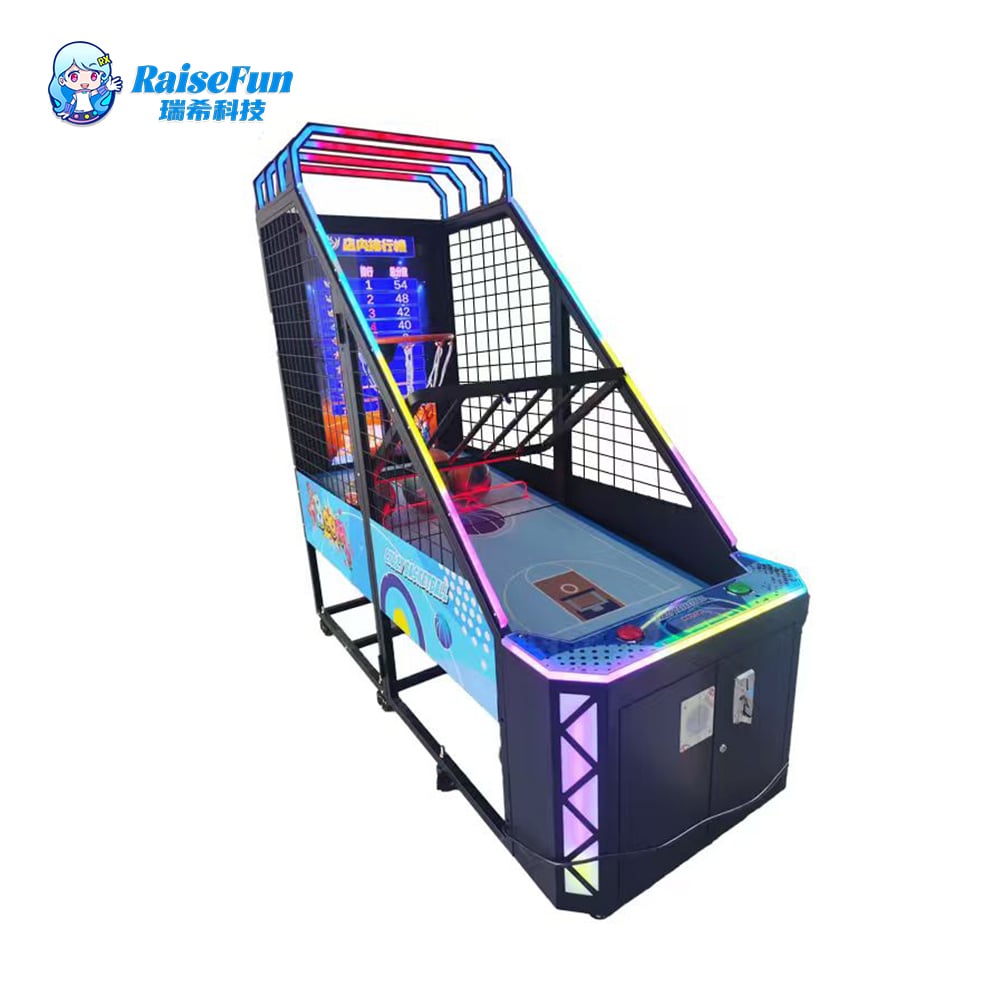
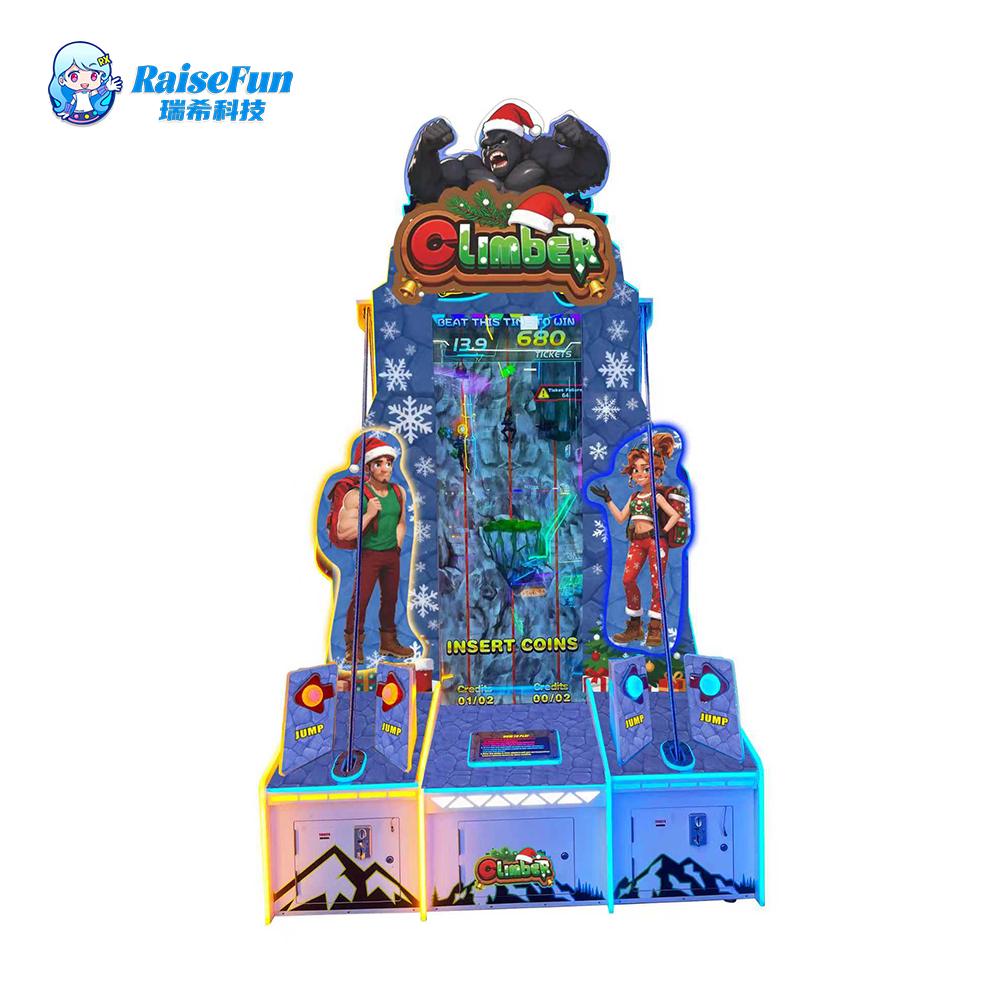
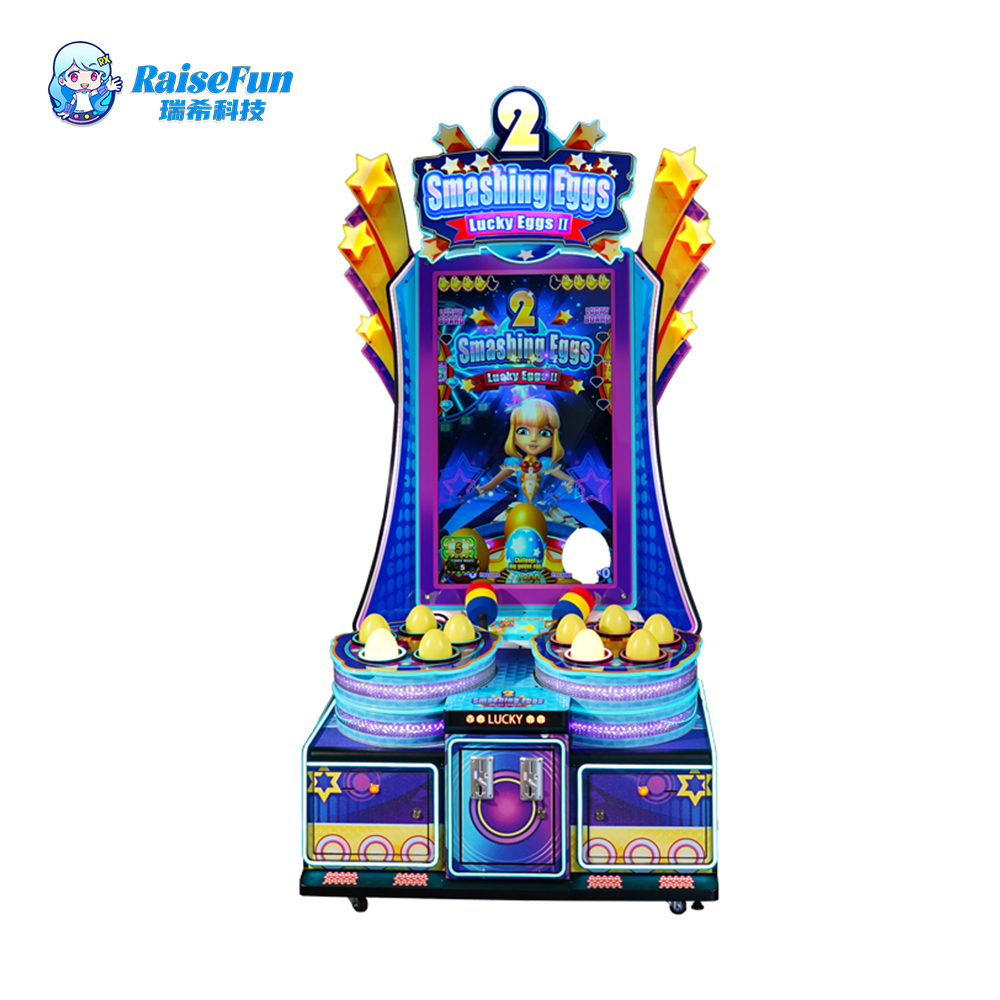
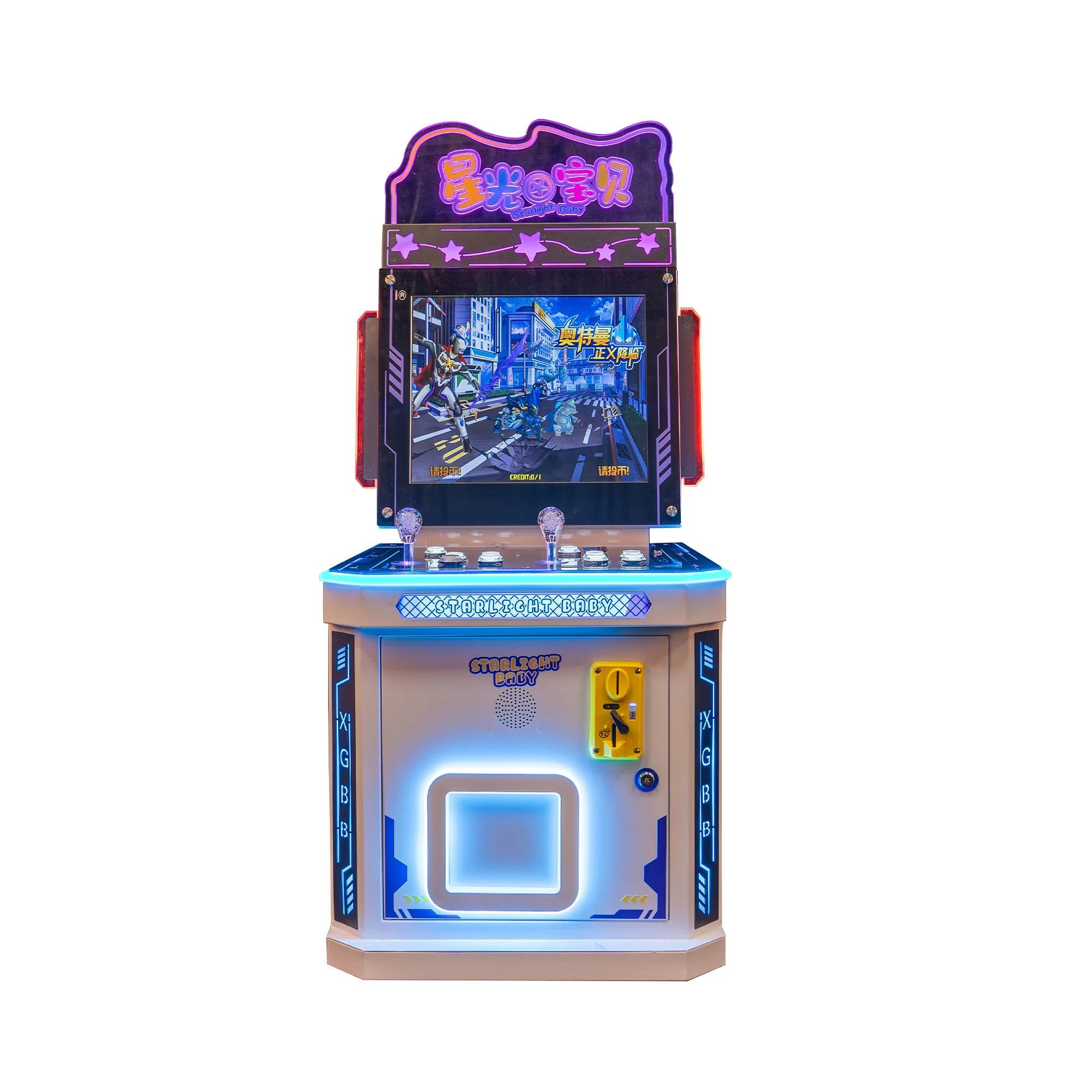
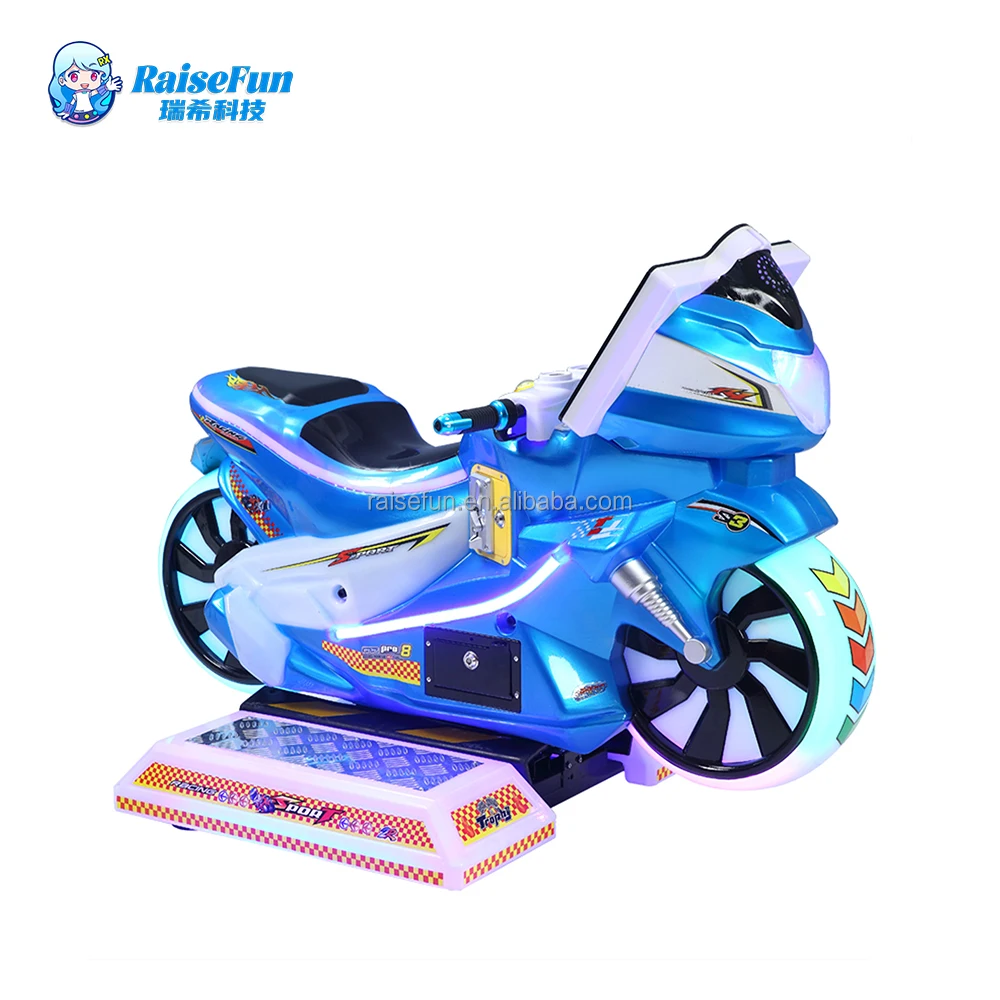
Most claw machines bring in around $200 to $300 each week, and after factoring in prizes, maintenance costs, and what goes to the venue owners (usually between 20% and 50%), operators still see nice profit margins somewhere between 60% and 75%. Ticket redemption games tend to do even better, pulling in roughly $300 to $500 weekly because people play them more often, families love them, and money comes in faster. For places with moderate foot traffic where about 30 people try their luck every day at $1.50 per attempt, claw machines usually break even within 3 to 6 months. Ticket games often pay back initial investments quicker since players go through more sessions and don't mind spending as much per try. The bottom line is keeping prize costs under control. If someone wins once every 15 attempts and the average prize costs around $3, that setup works well enough to maintain good profits while still making players want to keep playing.
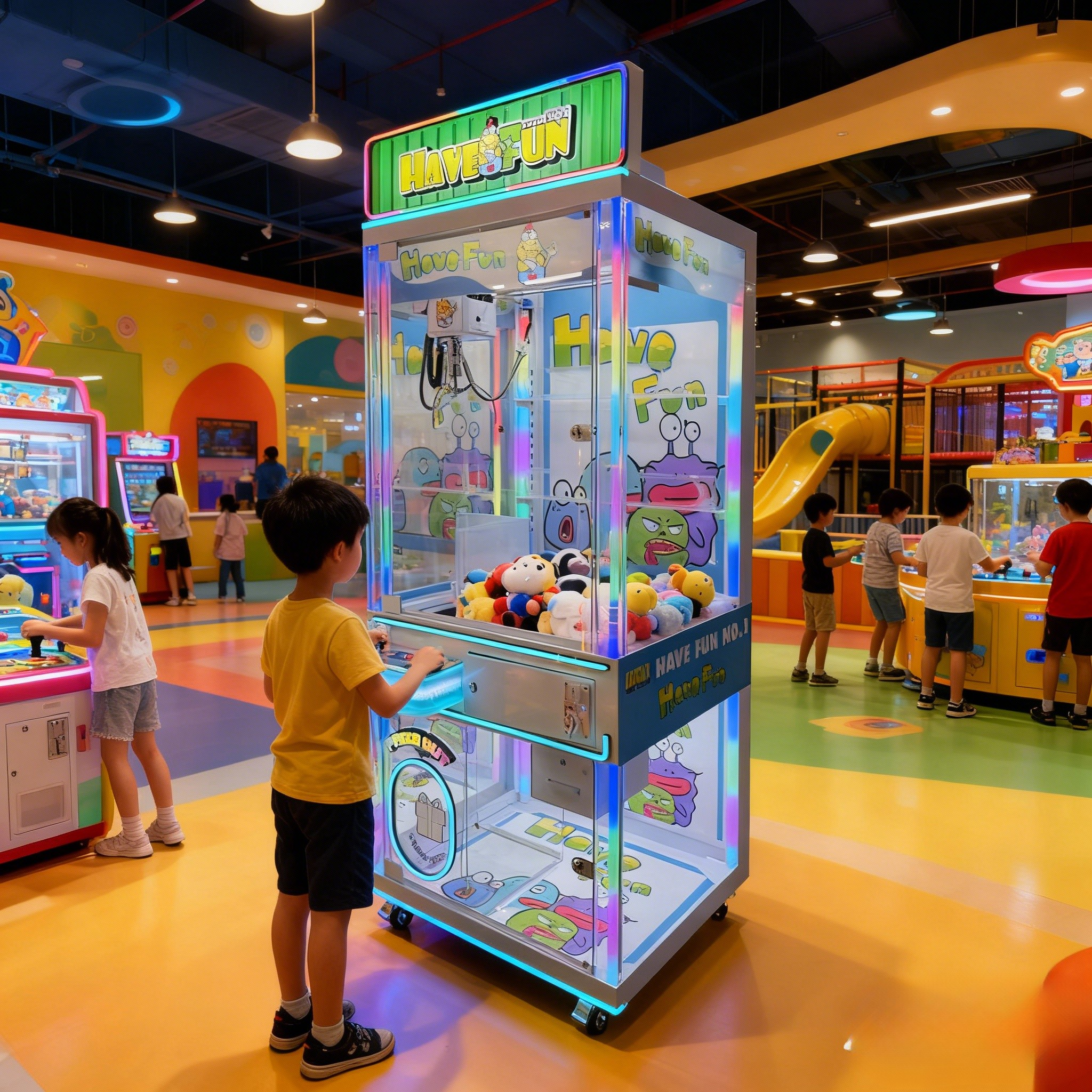
The ticket redemption games are all about fast action. Players typically spend just 1 to 2 minutes at these machines, which means operators can get through about 20 to 30 transactions each hour. People tend to cash in their tickets right away, so the money starts flowing faster. Claw machines work differently though. Each game takes around 3 to 5 minutes, which limits how many people can play in an hour. But if arcade owners place these machines where lots of foot traffic passes by, they often see a boost in play frequency of roughly 40%. The magic number seems to be keeping customers engaged for less than 90 seconds. When folks stick around longer than that, revenue drops off across both types of machines. Claw games might not bring in as much per hour, but they have one big advantage over ticket systems. They're mechanically simpler, so there's less stuff going wrong. No worries about jammed thermal printers or misaligned UV scanners. And since there's nothing physical to track, there's also less risk of fraud creeping into operations. Ticket systems definitely produce bigger spikes in revenue during peak times, but they require much stricter management. Operators need to constantly check inventory levels and stay vigilant against fake tickets to maintain healthy profit margins.
The secret sauce behind both game types lies in how they tap into our brain's reward system, particularly that dopamine hit we get from unpredictable rewards. Claw machines work their magic through mechanical randomness and what psychologists call the "near miss" phenomenon. When someone gets really close to grabbing that plush toy but just misses it, the brain lights up with excitement anyway, making people try again and again despite losing money. Ticket redemption games take a different approach by letting players see their progress build up visually as tickets accumulate. This creates a sense of accomplishment even if they haven't won anything big yet, which keeps them playing longer than they might otherwise. Game operators know exactly what they're doing too. Most claw machines are set so players win roughly once every 8 to 12 tries, striking a delicate balance between keeping hope alive and not getting frustrating. The ticket systems focus on giving constant visual feedback throughout play sessions, helping maintain interest until those bigger prizes can finally be claimed.
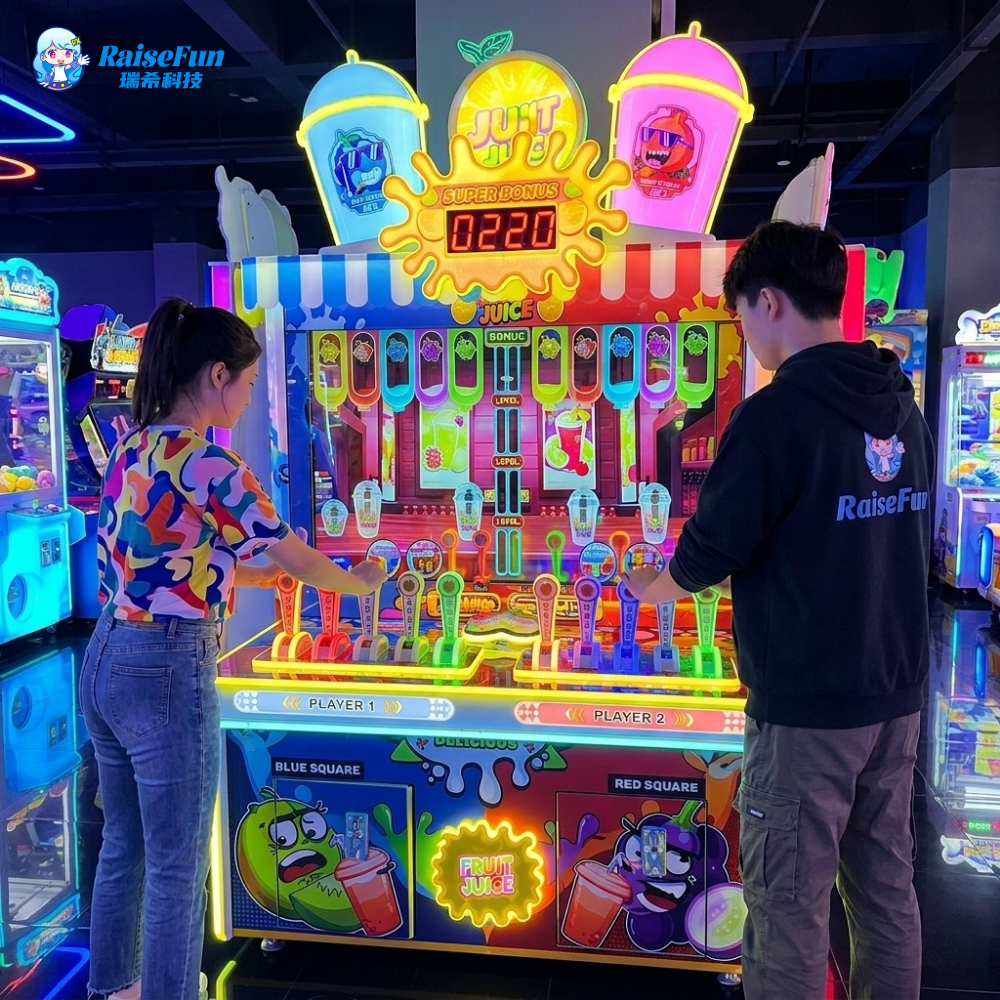
Revenue sustainability depends on aligning perceived prize value with controllable cost structures:
Operators who align desirability with disciplined distribution consistently report 25% higher repeat visitation than those optimizing margins in isolation. Ongoing analysis of redemption patterns—not just top performers but also abandonment points—ensures long-term balance between satisfaction and profitability.
Regular service work keeps mechanical claw machines running smoothly and performing well over time. Most places spend between 150 to 300 dollars each month on basic maintenance stuff like replacing claws, adjusting motors, and calibrating joysticks. When these machines break down unexpectedly, it can slash hourly revenue by around 7 to 12 percent, as noted in last year's FEC Industry Report. Getting ahead of problems through preventive care actually boosts reliability by about 40 percent, which protects bottom line profits. Smart operators who go for quality parts and fast repair services tend to keep their gross margins hovering above 65 percent despite all the ongoing maintenance needs that come with running these games.
Running ticket based systems comes with extra costs that go way beyond just buying prizes. Thermal paper for printing runs about a penny each ticket, which can rack up around five hundred bucks a month at busy locations. Keeping inventory straight needs proper barcode scanners to keep tabs on those 15 to 20 different prize items we typically stock. And then there's the whole fraud prevention angle too. Things like UV verified tickets definitely work but come with their own headaches and expenses. All told, these various operational costs eat up somewhere between 18% and 25% of what people actually pay for tickets. Still worth it though because this setup lets operators tweak margins in real time based on how many tickets get sold versus actual prize redemptions happening on the floor.
Claw machines typically generate around $200 to $300 weekly, while ticket redemption games can bring in approximately $300 to $500 weekly.
Claw machines usually break even within 3 to 6 months, while ticket games often pay back initial investments more quickly due to higher session frequency.
For claw machines, maintenance costs range from $150 to $300 monthly. Ticket systems incur additional expenses due to printing, inventory management, and fraud prevention, with operational costs taking up 18% to 25% of ticket revenue.
 Hot News
Be the first to get our latest styles and offers.
Copyright © Guangzhou Ruixi Technology Co., Ltd.now All rights reserved - Privacy Policy

 EN
EN