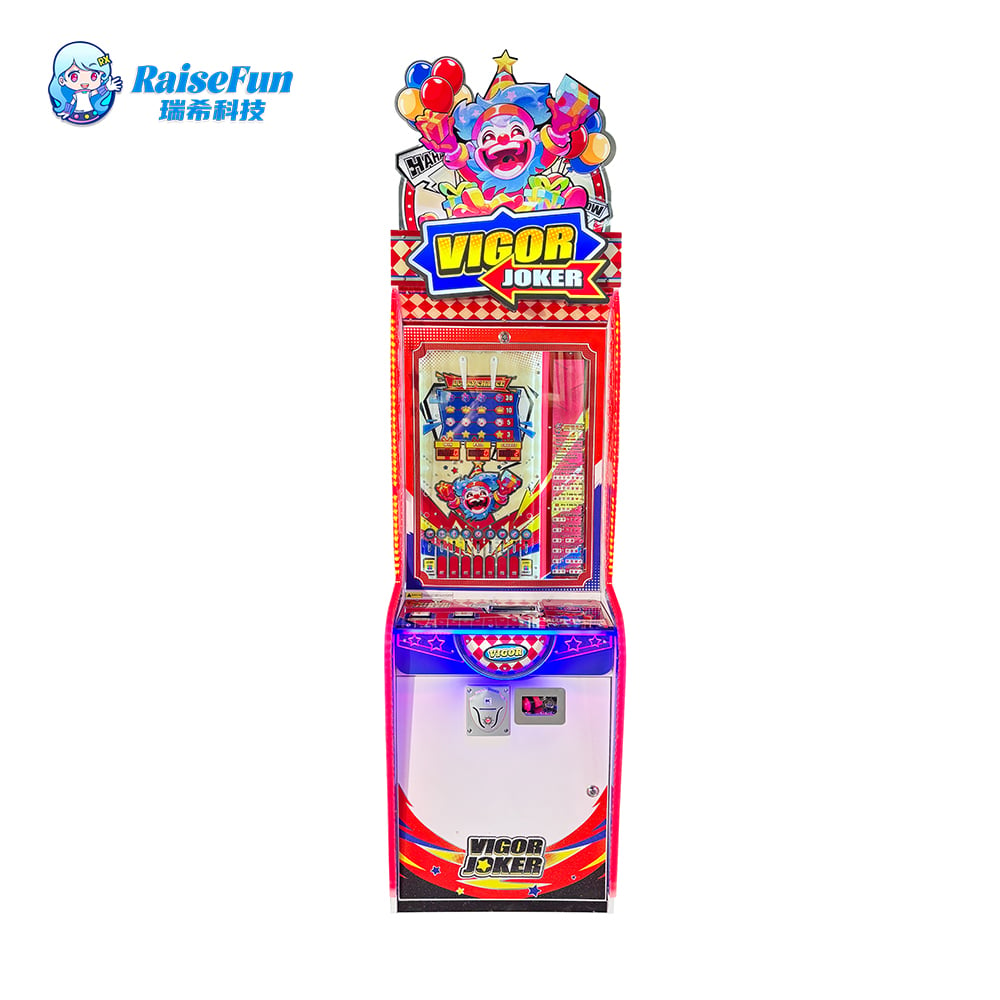
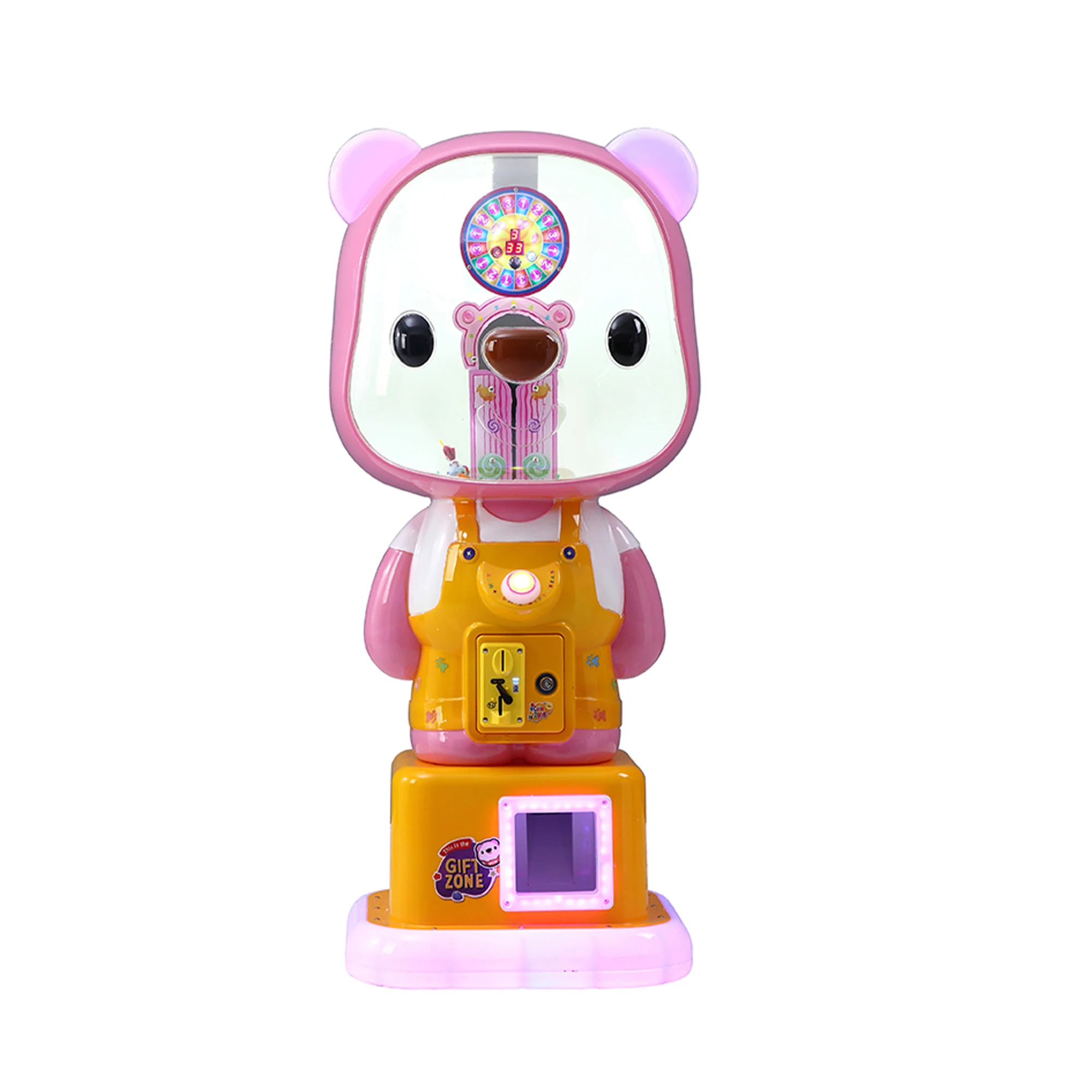
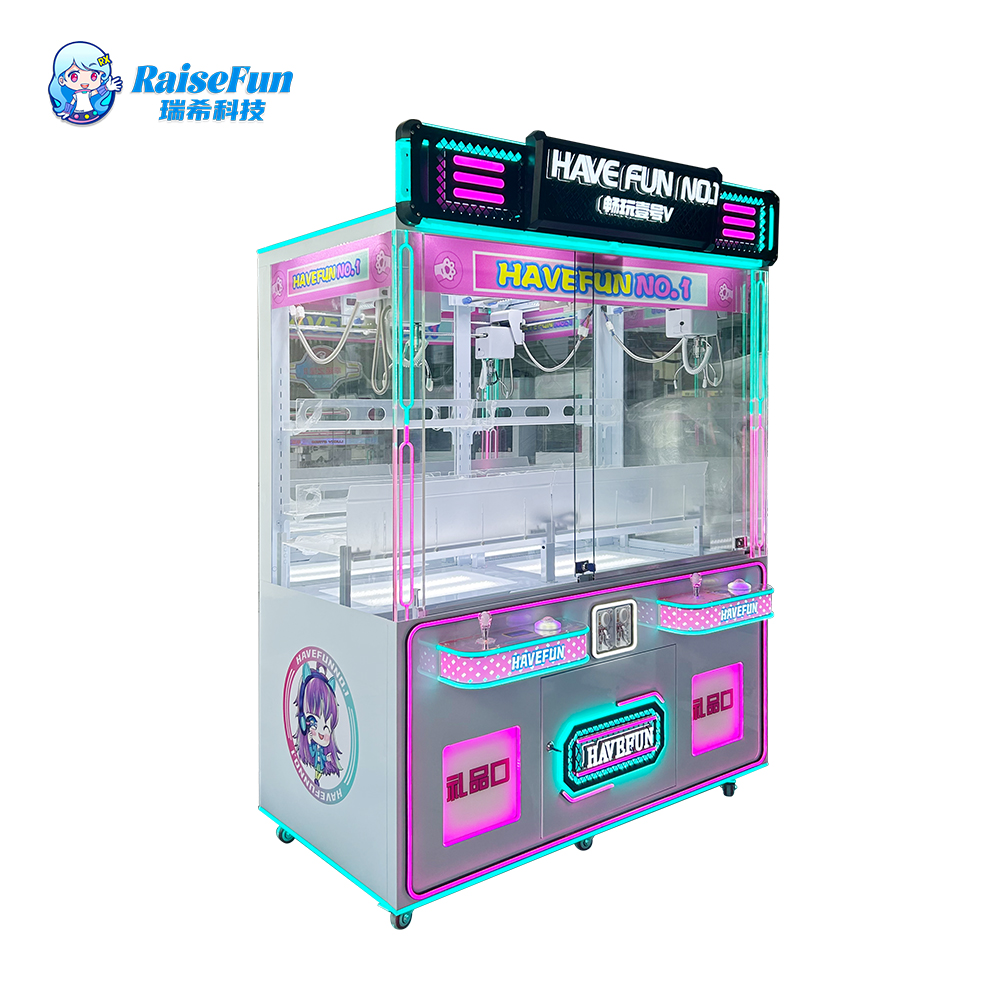
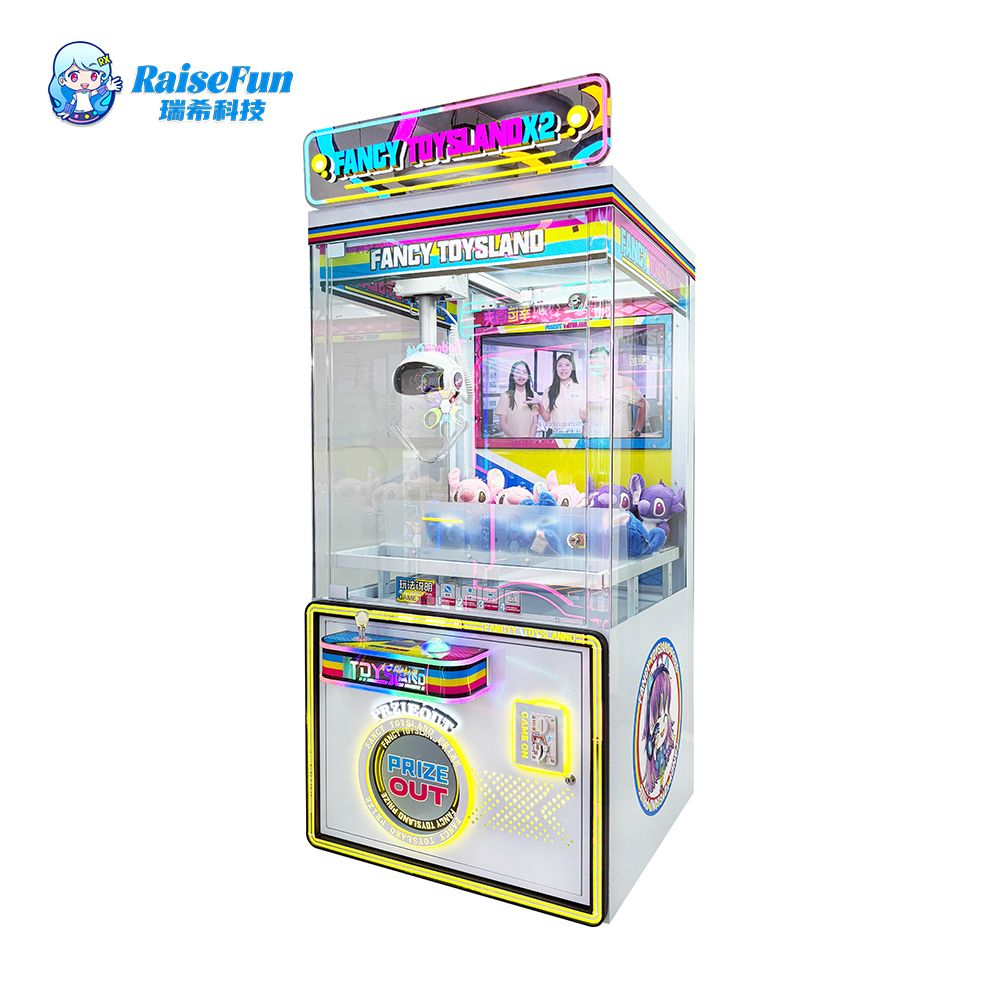
Skill-based redemption games drive consistent revenue by creating a reward loop that encourages repeated play. With tiered prize structures, players invest more time and credits aiming for higher-value rewards—boosting per-player spending. These games typically contribute over 30% of total revenue in top-performing Family Entertainment Centers (FECs), according to industry benchmarks from the International Association of Amusement Parks and Attractions (IAAPA). Their mechanical simplicity ensures low maintenance costs—typically 15–20% below simulator alternatives—while maintaining broad appeal across age groups.
VR arcade machines command premium pricing—often 2–3x standard game rates—while delivering immersive experiences that convert first-time users into repeat visitors. Venues featuring VR stations achieve 45% higher repeat visit rates compared to traditional setups, per IAAPA’s 2023 FEC Performance Report. Their multiplayer capabilities increase social engagement, with group play sessions generating 70% more revenue per hour than single-player configurations. Leading manufacturers now incorporate modular components that reduce repair downtime by up to 40%, improving uptime without sacrificing experience quality.
Modern retro cabinets combine nostalgic appeal with contemporary reliability, featuring solid-state components that slash maintenance needs by 30–50% versus legacy systems. Their intuitive interfaces reduce learning curves, keeping average play sessions at 25+ minutes—significantly higher than the industry benchmark of 14 minutes. These machines consistently achieve dwell times exceeding 90 seconds in high-traffic zones, making them ideal anchor attractions that boost surrounding game revenue.
Modern high-profit arcade machines succeed by lowering barriers for all ages. Adjustable difficulty settings let parents and children play on equal footing, while simultaneous multiplayer modes turn competition into shared achievement. Ticket redemption games with tiered prize tiers give younger players clear goals and adults a sense of progression. Cooperative sports and puzzle cabinets prompt verbal communication and strategy, replacing solitary screen time with face-to-face bonding. This design philosophy extends dwell time and increases per-visit spending—making these units far more profitable than single-player classics. When families finish a round together, they’re more likely to queue for another game and head to the prize counter—a direct revenue loop that benefits both operators and guests.
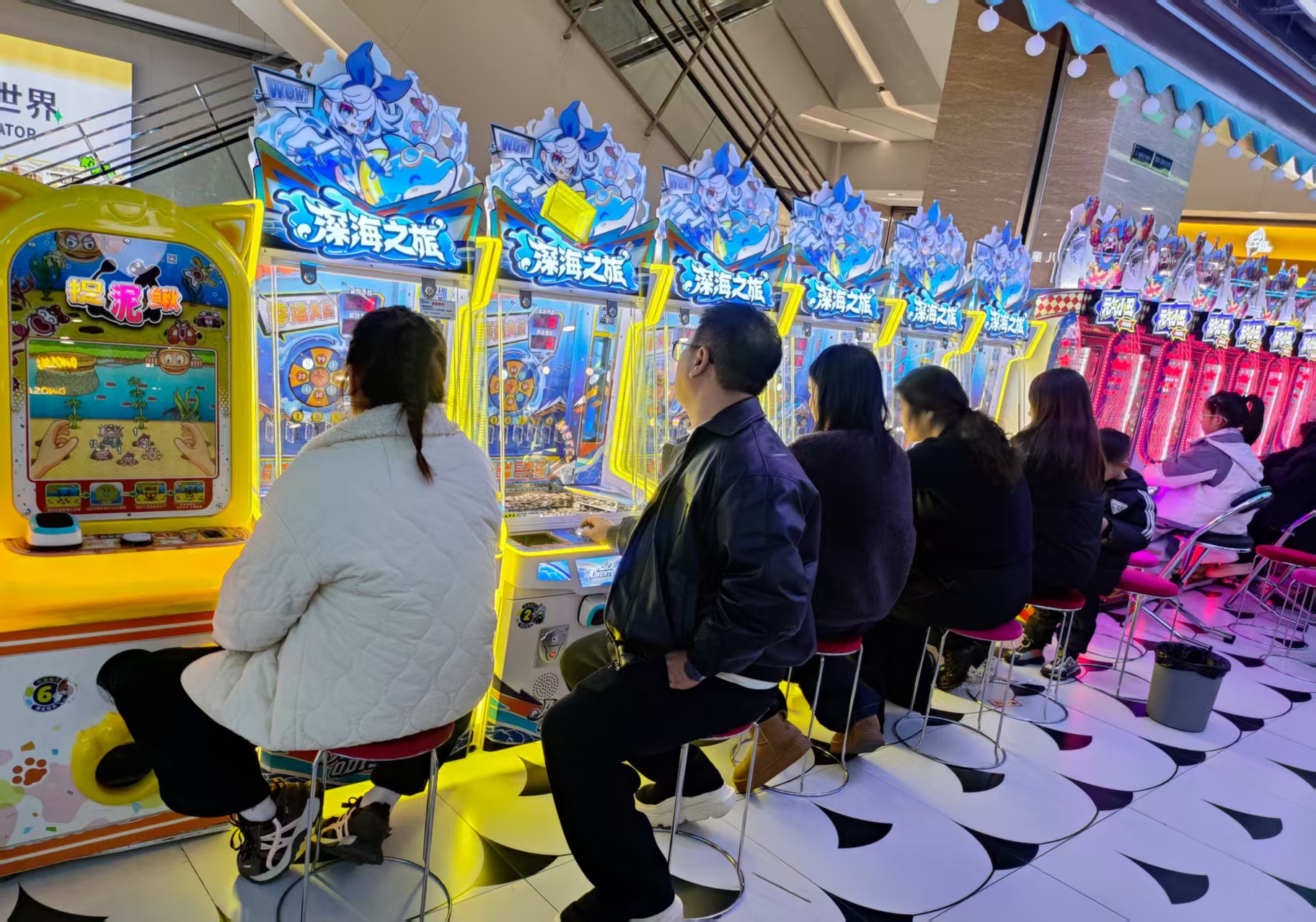
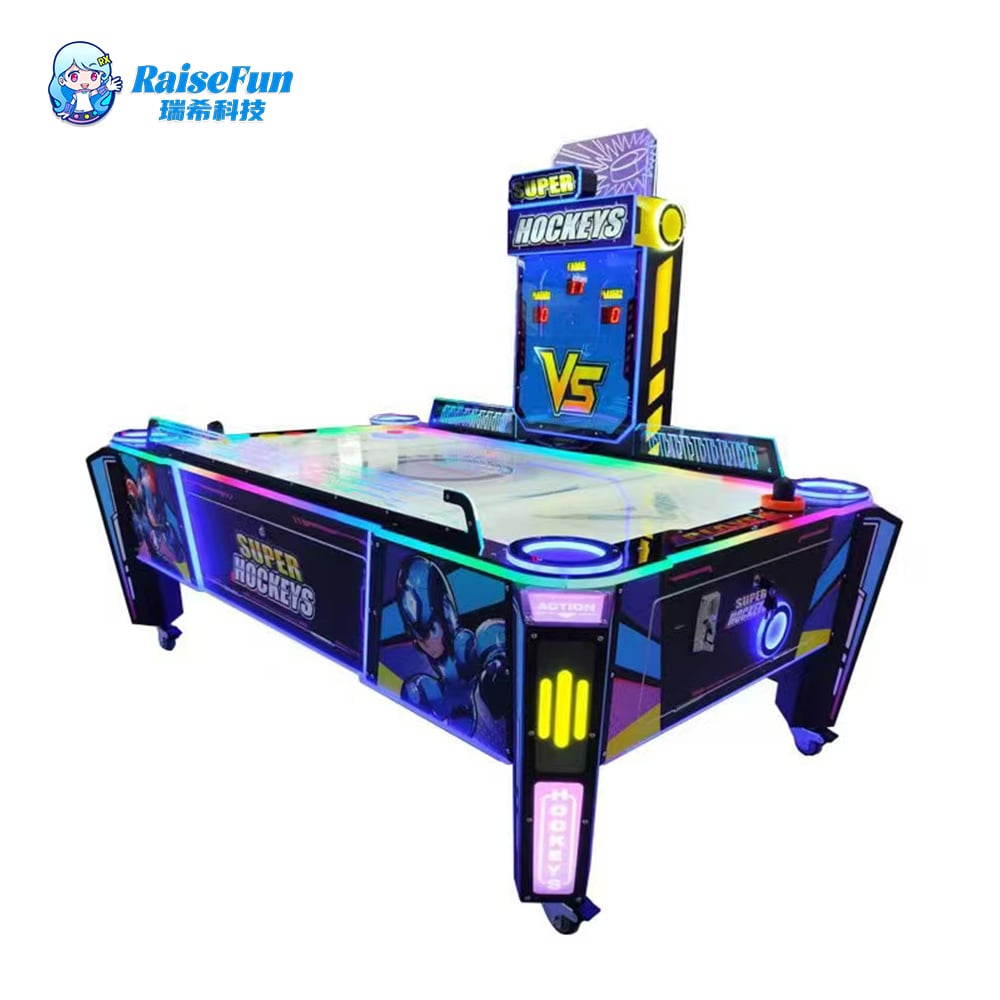
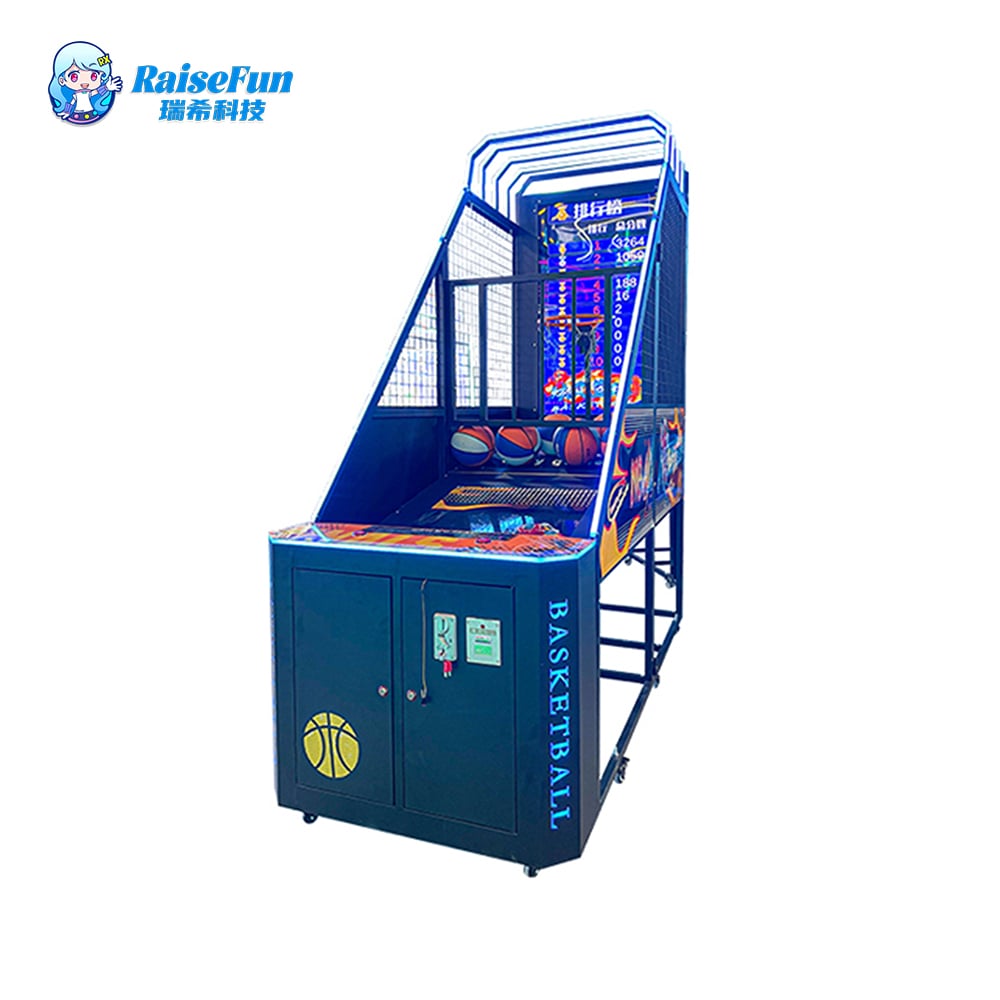
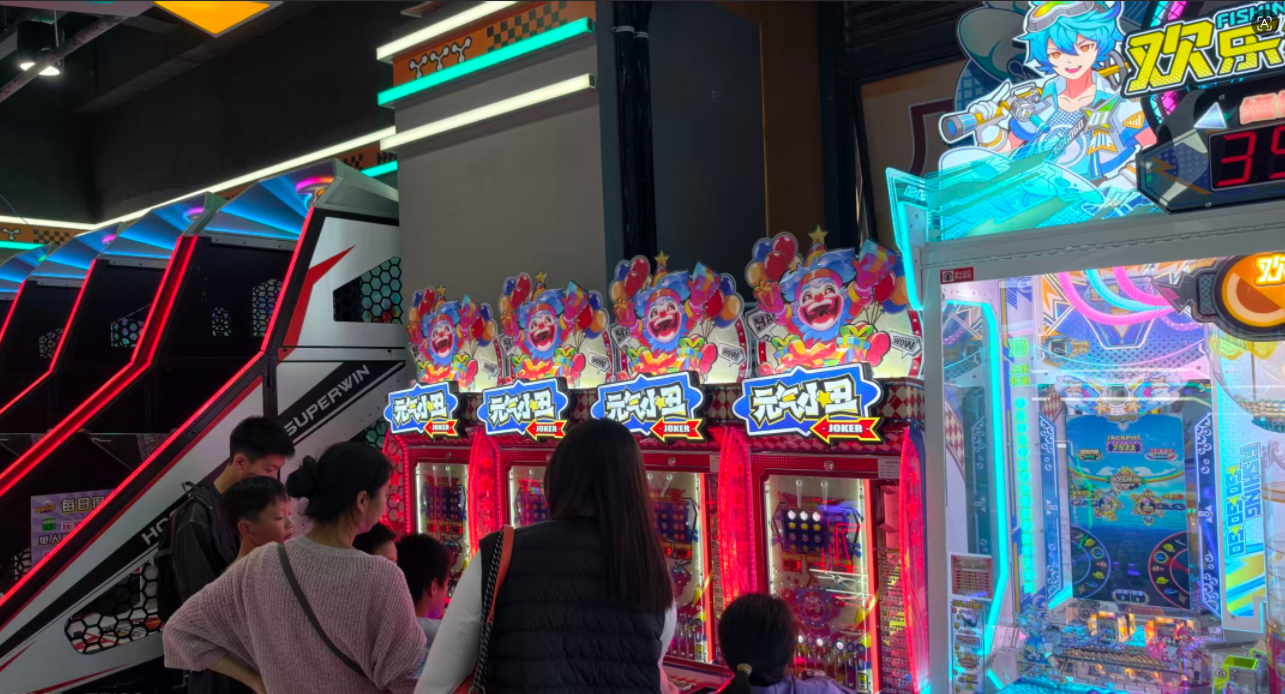
Segmenting an arcade by age can shrink its addressable audience and create dead zones. High-profit machines that appeal to both kids and adults eliminate this problem organically. Group-friendly games—such as basketball shootouts, air hockey tables, or racing simulators with side-by-side seats—encourage intergenerational play. Parents no longer stand idle while children ride kiddie machines; instead, everyone participates in the same experience. This design reduces the need for separate zones, cuts floor space waste, and keeps foot traffic flowing across the entire venue. Operators report higher repeat visitation from families who feel the whole group is equally entertained—driving stronger word-of-mouth and higher per-square-foot revenue than age-specific alternatives.
Immersive theming transforms an arcade floor from a row of machines into a living story. Integrated lighting, directional sound, and ambient scents—like pine in a forest setting or salt spray in a maritime zone—pull visitors into a cohesive world. When high-profit arcade machines are placed inside such environments, every interaction feels like part of an adventure rather than a transaction. This sensory richness encourages guests to linger longer, explore more games, and return for repeat visits. Augmented reality overlays and synchronized digital signage deepen the illusion, making each play session feel distinct. The result is a measurable increase in dwell time and per-visit spend—directly boosting revenue without adding more square footage.
Touchless interfaces and voice-activated controls eliminate physical barriers, enabling children and adults with varying mobility levels to interact effortlessly with arcade machines. Adaptive UIs automatically adjust difficulty based on player performance, creating balanced experiences where novices feel accomplished while challenging seasoned players. Voice-guided prompts provide intuitive instructions across age groups, reducing learning curves for new games. These inclusive technologies expand your customer base by accommodating diverse abilities—increasing play frequency and dwell time among family groups. By implementing such accessible innovation, operators enhance the appeal of high-profit arcade machines across generations.
Q: What makes skill-based redemption games so profitable?
A: Skill-based redemption games drive consistent revenue with tiered prize structures that encourage repeated play. These games have broad appeal, low maintenance costs, and contribute significantly to total FEC revenue.
Q: How do VR arcade machines boost repeat visits?
A: VR arcade machines offer immersive experiences that deliver premium value and social engagement through multiplayer features, leading to a 45% higher repeat visit rate compared to traditional setups.
Q: Why are retro-inspired cabinets popular in arcades?
A: Retro-inspired cabinets combine nostalgic design with modern technology, boasting low maintenance and longer average play sessions. These characteristics make them ideal for increasing dwell times in high-traffic areas.
Q: How do arcade machines accommodate all age groups?
A: High-profit arcade machines feature adjustable difficulty, simultaneous multiplayer modes, and inclusive design elements like touchless interfaces and adaptive UIs to appeal to mixed-age family groups.
Q: What role does theming play in arcade design?
A: Themed environments with integrated sensory elements amplify the arcade experience, encouraging visitors to spend more time and money while creating a unique and memorable adventure.
 Hot News
Be the first to get our latest styles and offers.
Copyright © Guangzhou Ruixi Technology Co., Ltd.now All rights reserved - Privacy Policy

 EN
EN