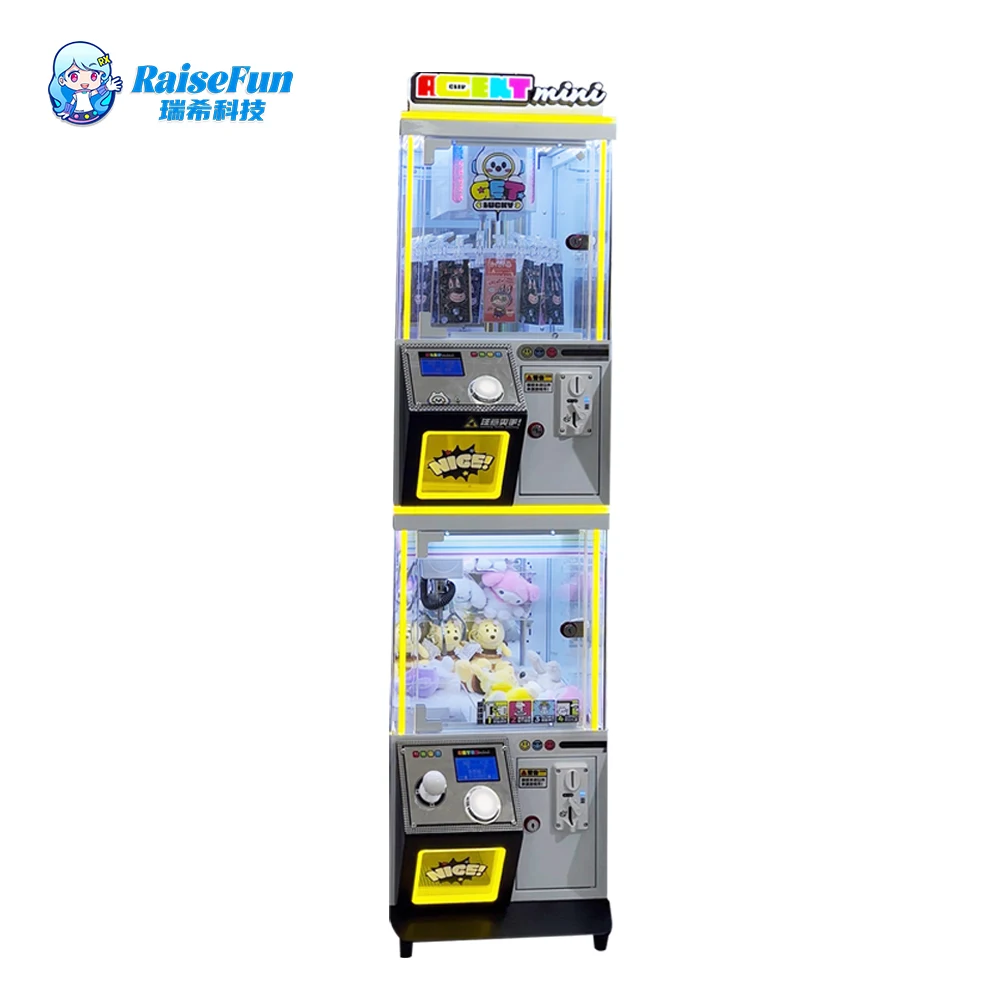
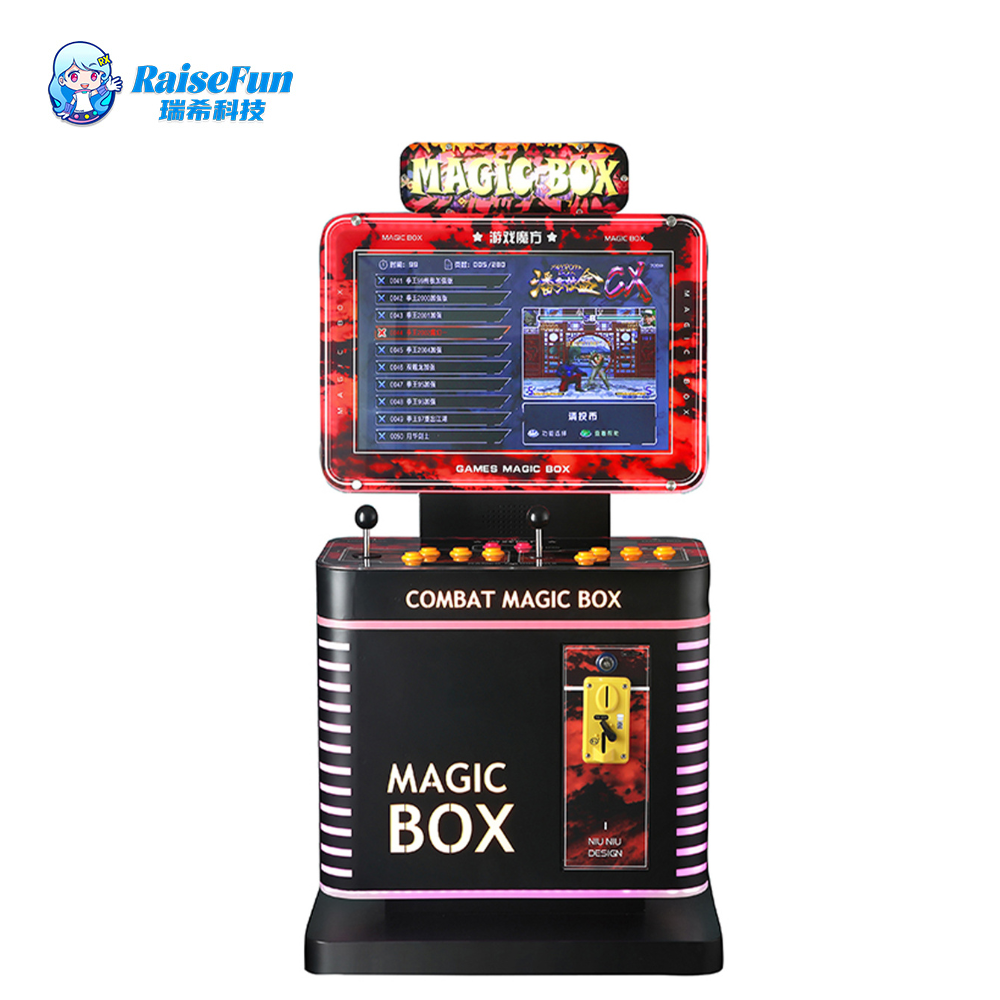
A true one-stop arcade solution integrates equipment sourcing, strategic layout planning, and maintenance frameworks into a unified deployment model—designed to align machine selection with your venue’s revenue goals, operational scale, and long-term viability.
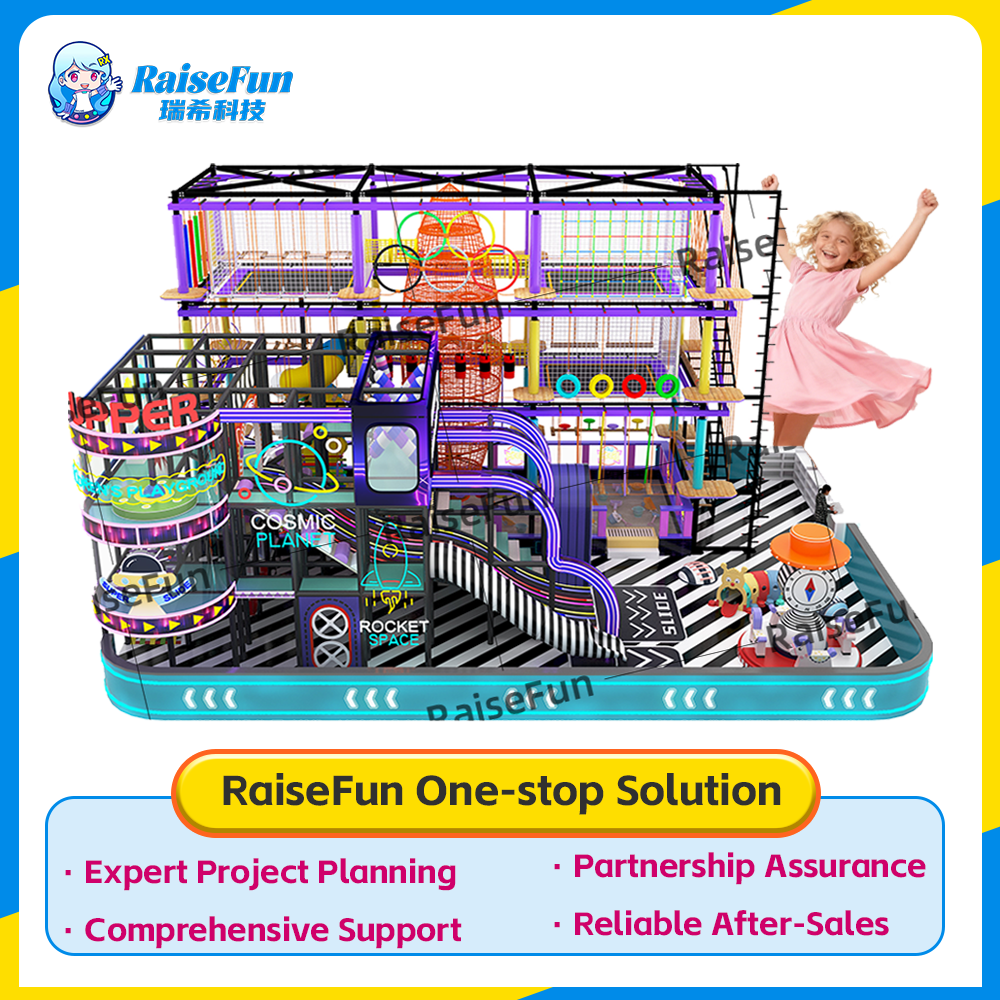
Getting the right mix of machines matters a lot when it comes to making money. For smaller operations with budgets around $50k to $150k, owners usually go for tough, affordable options such as claw machines and those coin pusher games. These setups tend to pay off pretty quickly too, often within 12 to 18 months even if people don’t come through the doors super fast. When we look at mid sized places spending between $250k and $750k, they typically spend about 40 percent on fancy redemption games plus those interactive motion cabinets that kids love so much. This strategy helps them earn roughly 30% more from each customer compared to basic setups. The big boys with million dollar plus investments take things further by adding virtual reality simulators and creating social spaces where groups can play together. These high end spots charge way more because nobody else has what they offer, sometimes up to four or six times what regular arcades ask.
| Revenue Tier | Core Machines | Target ROI | Revenue Per Sq Ft |
|---|---|---|---|
| Entry | Claw cranes, coin pushers | 12–18 months | $60–$90 |
| Mid | Redemption walls, rhythm games | 18–24 months | $120–$180 |
| Premium | VR Arenas, ticketless systems | 24–36 months | $220–$350 |
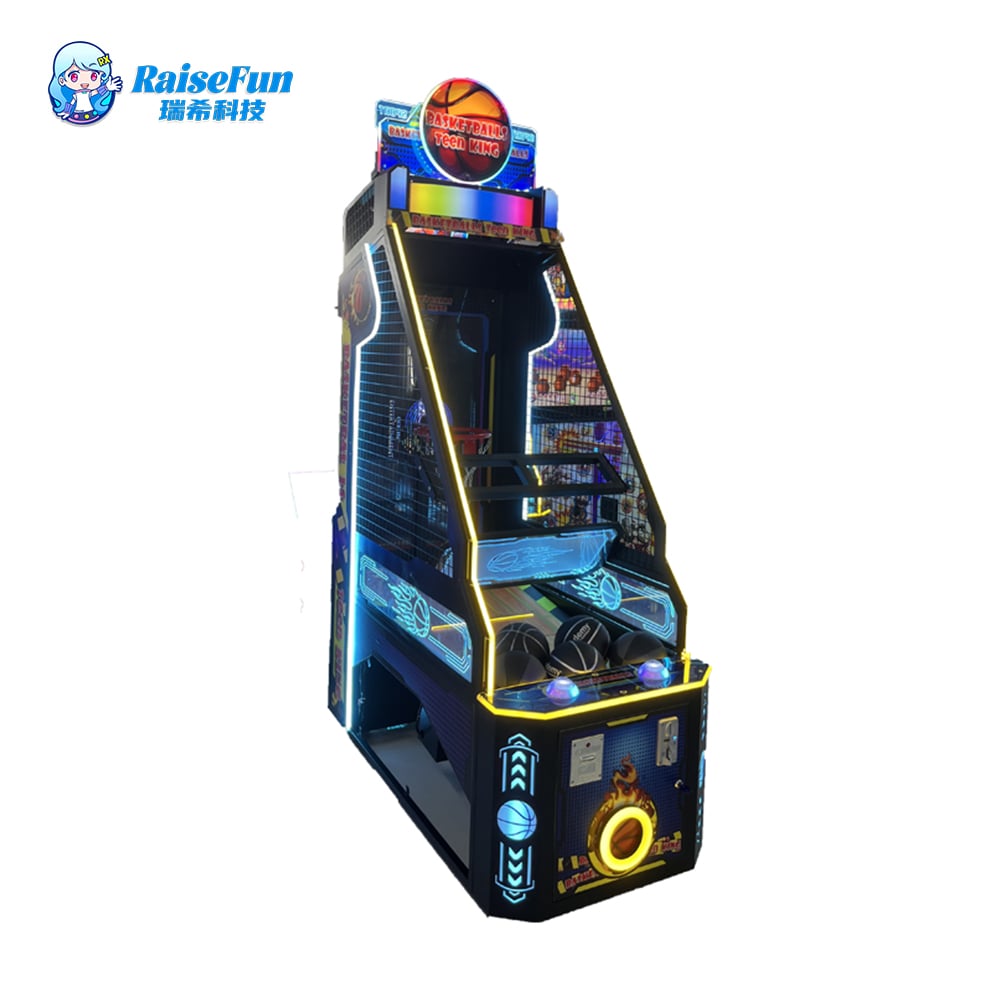
When putting together redemption systems that include things like ticket dispensers and prize counters, operators need to find the sweet spot between how hard the games are and what they pay out. Getting this balance right keeps players coming back without hurting profit margins. The skill based games SKBs stuff like basketball tosses or those quick drop towers tend to keep people playing for about 25 percent longer compared to regular amusement games. And look at ticketless systems now becoming pretty common actually 73 percent of new places have gone this route. These systems get rid of all that manual counting of prizes and save money on staff because they handle inventory, giving out prizes, and tracking customer rewards automatically. Putting everything into one central management system really helps too. It cuts down on mistakes when reconciling numbers by around 60 percent. Plus operators can adjust prices dynamically based on what’s happening in real time. Think about charging more during busy weekend periods or school holidays when demand spikes naturally.
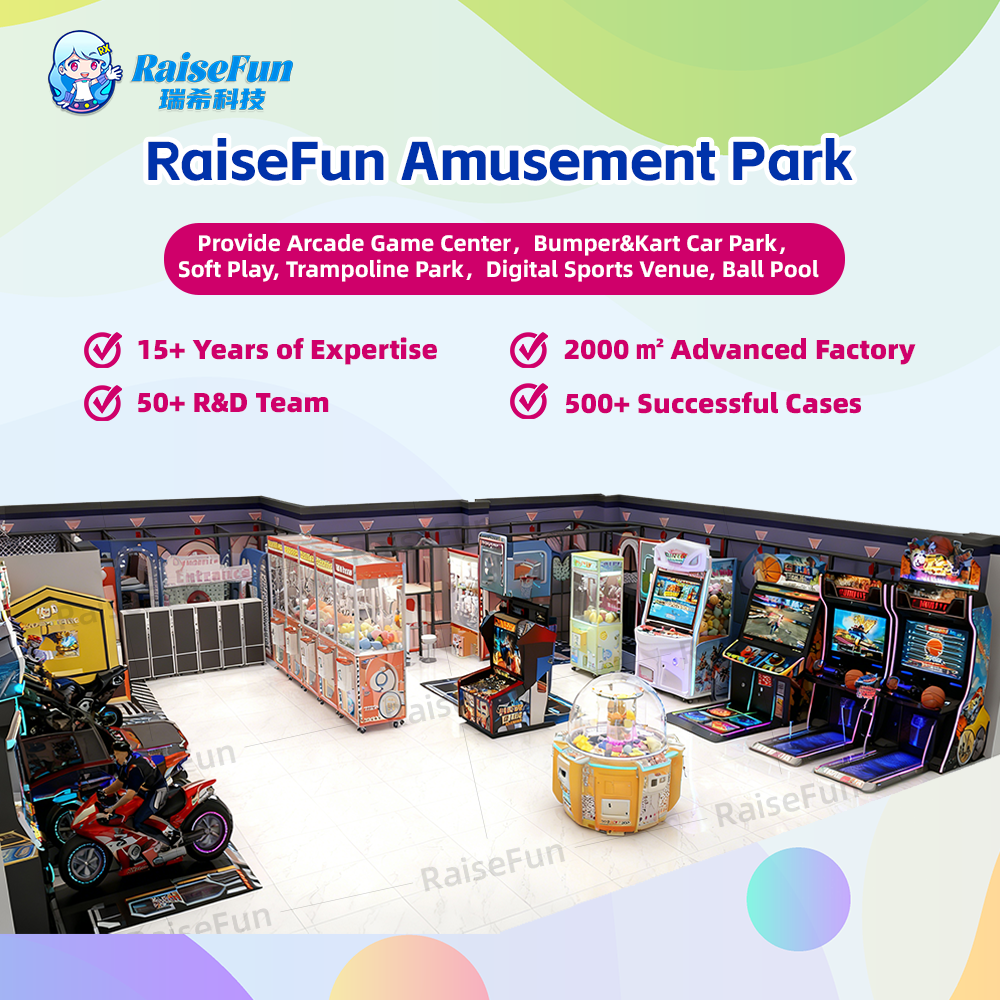
Strategic venue design transforms chaotic spaces into revenue-optimized environments. Poor layout planning can reduce player dwell time by 40%, directly impacting profitability—and undermining even the most carefully selected equipment lineup.
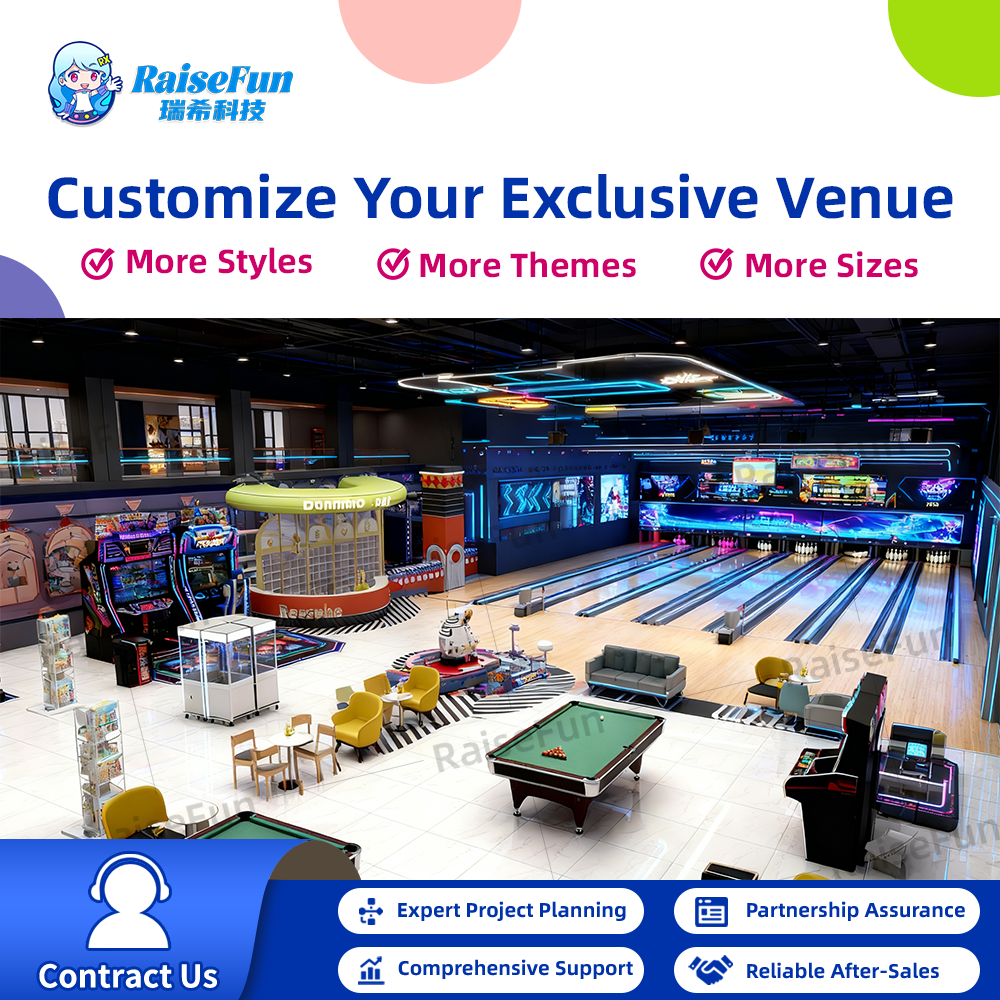
The layout should follow a basic three zone approach. Put those eye catching attractions right by the entrance where people will see them first thing. The middle area works best for skill based games since visitors tend to stick around here for about 22 minutes on average during their visit. Redemption counters need to go toward the back wall so folks walk all the way through the space instead of turning around early. Keep at least 36 inches between machines not just because regulations require it but also so technicians can actually get to them when needed. Group together games that work well together too. Claw machines that give out tickets look great next to prize redemption spots. This creates these little circuits where people naturally want to play multiple games before cashing in their points. Venues that have done this report spending per visitor goes up roughly 31% based on their own data tracking over time.
Undersized electrical systems cause 78% of arcade downtime incidents. Calculate total load requirements using this formula:
| Machine Type | Avg. Power Draw | Circuit Recommendation |
|---|---|---|
| Redemption Games | 4–6 amps | Dedicated 20A circuit |
| VR Simulators | 10–15 amps | Dual 30A circuits |
| Ticket Dispensers | 2–3 amps | Shared 15A circuit |
Keeping the temperature between 70 to 75 degrees Fahrenheit and humidity levels around 45 to 55 percent is important for protecting those delicate electronic components from condensation damage. Arcade owners should consider installing HVAC systems that can maintain these conditions consistently throughout their facilities. For payment terminals and those networked kiosks where customers make purchases, it makes sense to invest in UPS units. These backup power supplies help protect against unexpected revenue losses when there are power fluctuations or brownouts that happen unexpectedly. When setting up the network infrastructure, going with Cat-6 cabling for all ticketing systems and point-of-sale equipment provides better connectivity options. This kind of wiring supports real time data tracking and allows technicians to run diagnostics remotely, which becomes especially valuable for managing multiple locations in an arcade business setup.
Selecting a dependable vendor is critical for minimizing downtime and maximizing revenue. Focus on three non-negotiable criteria to ensure operational resilience:
This disciplined approach elevates your one-stop arcade solution from startup execution to sustainable, scalable operation.
Picking the correct business model for an arcade venture makes all the difference when it comes to making money. We’re talking about options like Barcades which mix bars with arcades, traditional FECs designed for families, or something in between. The numbers tell different stories for each approach. Barcades tend to turn a profit quicker because they make good cash from drinks sold at higher margins, even though people don’t spend as much playing games there. On the flip side, FECs depend heavily on selling lots of tickets through redemption systems. Then there are hybrid setups that try to do both things at once. These need solid data tracking systems in place though, otherwise profits get diluted pretty fast. Without proper monitoring, these mixed models can end up losing money instead of gaining it.
Optimize your strategy by:
Sustainable viability hinges on aligning equipment ROI timelines with revenue diversification goals—ensuring no single stream exceeds 40% of total income. This balance protects against market shifts, seasonality, and evolving consumer expectations.
A one-stop arcade solution is an integrated system that combines equipment sourcing, strategic venue planning, and maintenance frameworks to optimize an arcade's revenue, operations, and long-term growth.
Revenue tiers are typically defined by investment levels: Entry ($50k to $150k), Mid ($250k to $750k), and Premium (over $1 million), each tier targeting different returns on investment and per square footage revenue.
Proper venue design enhances customer flow, optimizes dwell time, and ensures all attractions and redemption counters are strategically placed, boosting engagement and profitability.
Ticketless systems reduce manual prize counting, save on labor, and streamline inventory management, enhancing operational efficiencies and profitability.
 Hot News
Be the first to get our latest styles and offers.
Copyright © Guangzhou Ruixi Technology Co., Ltd.now All rights reserved - Privacy Policy

 EN
EN