Family entertainment centers depend on diverse revenue streams, and few investments deliver consistent returns like strategically managed claw machines. Understanding how to maximize claw machine ROI is essential for operators who want to boost profitability while maintaining player satisfaction. The key to success lies not just in purchasing equipment, but in implementing operational strategies that drive traffic, increase play frequency, and optimize coin collection. When executed properly, claw machine ROI can exceed initial expectations by 30 to 50 percent, transforming a standard arcade game into a revenue powerhouse.
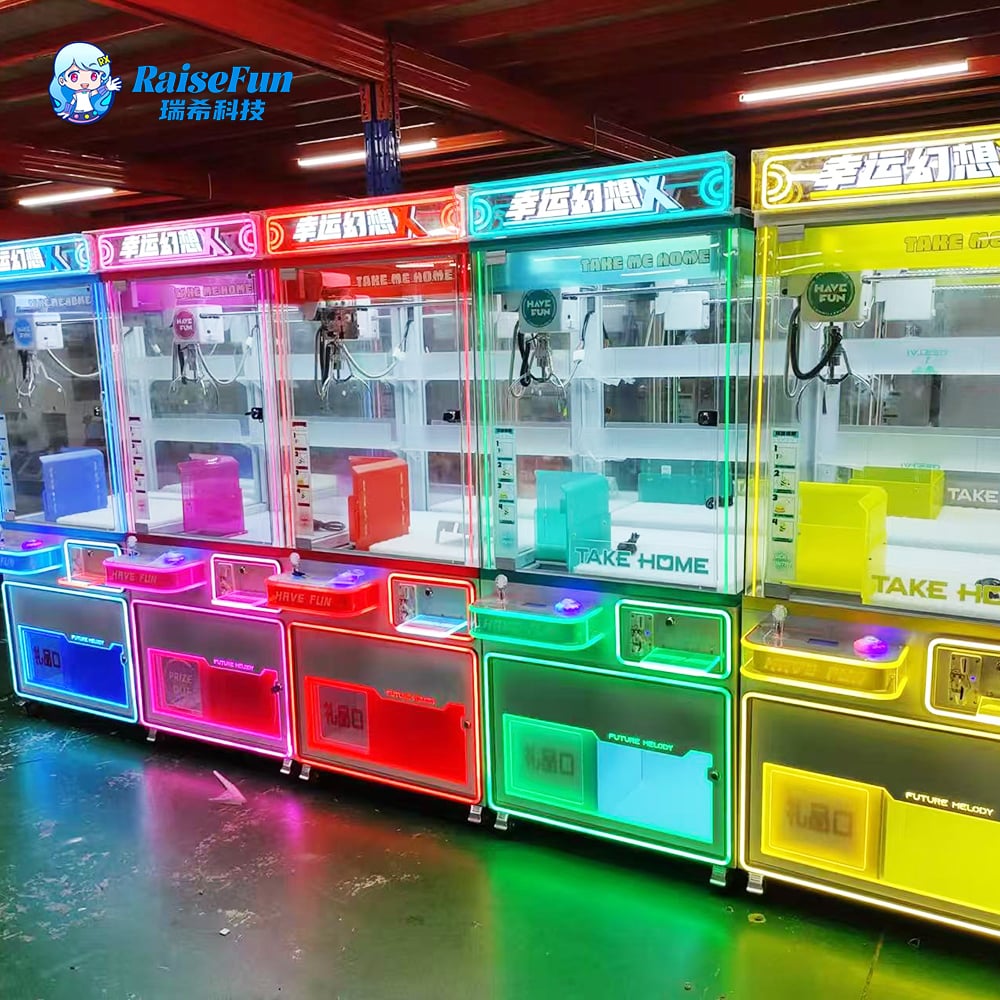
Operators who fail to focus on claw machine ROI often miss critical opportunities to enhance their bottom line. The difference between mediocre and exceptional returns comes down to thoughtful placement, machine calibration, prize selection, and ongoing maintenance. A well-managed claw machine ROI strategy accounts for demographic preferences, seasonal trends, and competitive dynamics within your specific market. By treating claw machines as profit centers rather than peripheral attractions, family entertainment centers can unlock substantial competitive advantages and create predictable, growing revenue.
The location of your claw machines directly impacts claw machine ROI and revenue potential. Machines positioned near main entrances, food courts, or waiting areas naturally attract more players simply due to visibility and convenience. Players often make impulse decisions to try a claw machine when they see it while waiting or passing through. Research shows that claw machine ROI improves by 25 to 40 percent when units are placed in high-visibility, high-traffic zones rather than tucked into corners. Strategic placement also reduces operational overhead, as frequently visited machines require less marketing push and generate organic traffic.
Understanding your audience is fundamental to maximizing claw machine ROI. Family entertainment centers with significant child attendance should position machines at child eye level and stock age-appropriate prizes. Adults and teen players respond differently to machine design, difficulty settings, and prize appeal. When your claw machine ROI objectives align with demographic preferences, play frequency naturally increases. Consider conducting simple traffic surveys to identify peak hours and player age groups, then adjust machine placement and prize selection accordingly to drive incremental revenue.
Prize quality and variety are critical levers for improving claw machine ROI and player retention. High-value, attractive prizes encourage players to attempt multiple rounds, directly boosting your claw machine ROI. Rotating prizes seasonally keeps the experience fresh and gives returning players new reasons to engage. Cheaper prizes reduce your immediate costs but often diminish perceived value and repeat play frequency. Strategic operators balance cost per prize against player psychology, recognizing that a slightly higher prize cost can drive significantly higher claw machine ROI through increased play sessions. Licensed character toys, plush items, and trending collectibles typically outperform generic giveaways.
Claw strength and win rate directly affect claw machine ROI and long-term customer satisfaction. If machines are too difficult, players become frustrated and stop playing; if too easy, your costs spike and claw machine ROI suffers. The industry standard targets a 30 to 40 percent win rate, which balances player motivation with operational profitability. Regular testing and adjustment of claw sensitivity ensures your claw machine ROI remains optimized. Monitoring play patterns helps identify when claw machines need maintenance or recalibration, preventing revenue leakage from broken or underperforming units.
Equipment downtime directly erodes claw machine ROI and customer experience. A machine out of service loses revenue and disappoints players who specifically came to play. Implementing preventive maintenance schedules ensures consistent uptime and reliable performance. Regular cleaning, motor checks, and mechanical inspections catch issues before they impact claw machine ROI. Operators who track maintenance history can anticipate component failures and schedule repairs during off-peak hours, minimizing revenue interruption. Well-maintained machines also provide better player experiences, encouraging repeat visits and stronger claw machine ROI over time.
Smart pricing strategies amplify claw machine ROI without necessarily sacrificing player volume. Some operators use tiered pricing during peak and off-peak hours to smooth demand and maximize utilization. Special promotions, such as discount token bundles or double-play hours, drive traffic during slower periods and increase annual claw machine ROI. Mobile app integration allows operators to send targeted offers to loyal players, boosting engagement and visit frequency. When executed thoughtfully, dynamic pricing improves claw machine ROI while enhancing the player experience through perceived value and convenience.
Measuring claw machine ROI requires systematic tracking of revenue, costs, and operational metrics. Digital coin counters, transaction logs, and maintenance records provide the data foundation for analyzing claw machine ROI trends. By comparing revenue against prize costs, electricity usage, and maintenance expenses, operators calculate precise ROI and identify underperforming units. Monthly performance reviews reveal seasonal patterns and help inform placement decisions and prize adjustments. Premium claw machine ROI analysis tools enable operators to benchmark performance against industry standards and continuously refine strategy.
Understanding your competitive environment helps optimize claw machine ROI within your specific market. If competing venues offer similar machines, differentiating through superior prize selection, better maintenance, or unique themed machines can drive incremental visits. Monitoring industry trends, such as popular toys or character licenses, ensures your claw machine ROI strategy stays current. Building a reputation for fair machines and attractive prizes creates customer loyalty and word-of-mouth referrals, enhancing long-term claw machine ROI without additional marketing spend.
Most well-placed, properly maintained claw machines achieve positive claw machine ROI within 6 to 12 months of operation. High-traffic locations in established family entertainment centers often see payback periods of 4 to 8 months. Claw machine ROI depends heavily on initial equipment cost, venue traffic volume, and operational excellence. After the payback period, monthly claw machine ROI typically generates 15 to 25 percent returns on the equipment investment, making it a compelling long-term revenue asset.
Prize costs typically represent 20 to 35 percent of claw machine ROI revenue, making prize selection a critical profitability lever. Higher-quality prizes attract more players and encourage repeat visits, increasing overall claw machine ROI even if per-unit costs rise slightly. Conversely, overly cheap prizes diminish perceived value and reduce play frequency, ultimately lowering claw machine ROI. The optimal approach balances attractive, appealing prizes against sustainable cost structures, ensuring claw machine ROI targets are met without sacrificing player experience or competitive positioning.
Yes, existing claw machine ROI can often be improved through operational adjustments without capital investment. Relocating machines to higher-traffic zones, refreshing prize selections, and fine-tuning claw difficulty can boost claw machine ROI by 20 to 40 percent. Enhanced maintenance routines ensure reliability and uptime, preventing revenue loss from equipment failures. Marketing and promotional strategies also strengthen claw machine ROI by driving player traffic and repeat engagement. These lower-cost optimizations frequently deliver better results than purchasing new equipment.
 Hot News
Be the first to get our latest styles and offers.
Copyright © Guangzhou Ruixi Technology Co., Ltd.now All rights reserved - Privacy Policy

 EN
EN