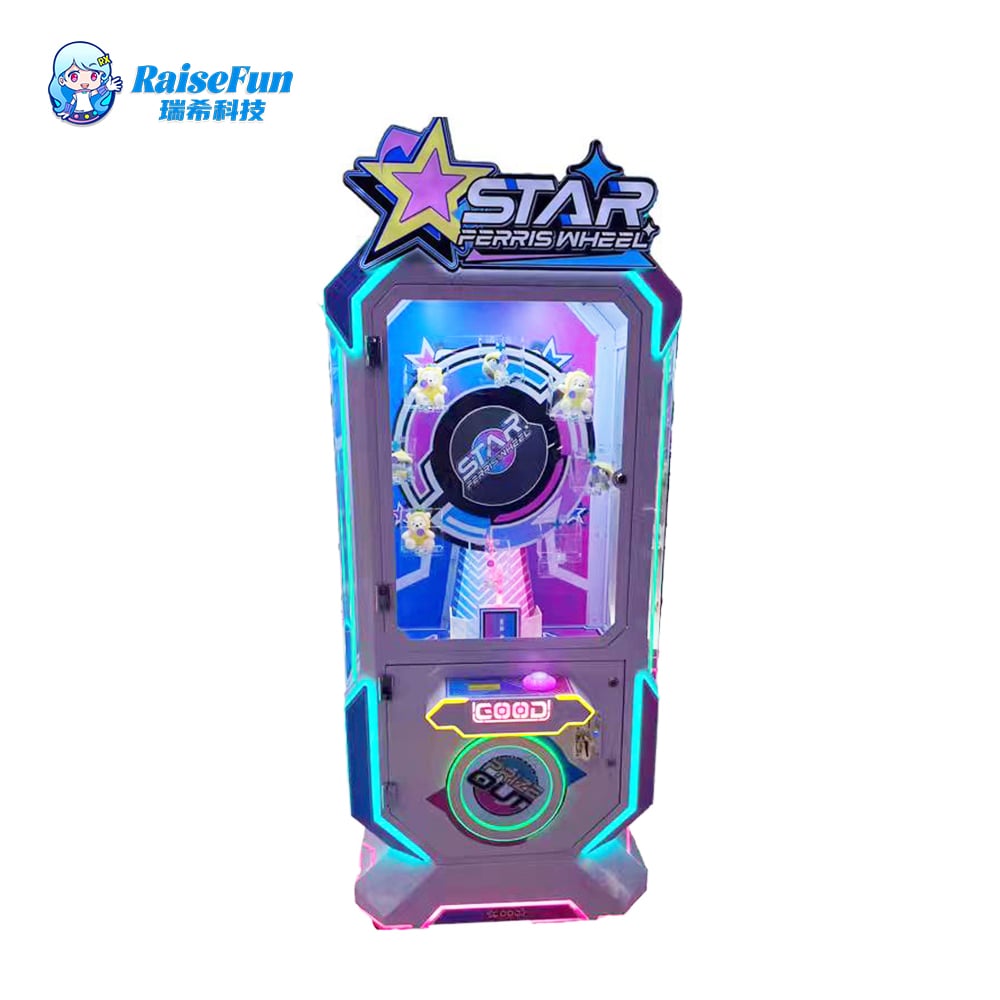
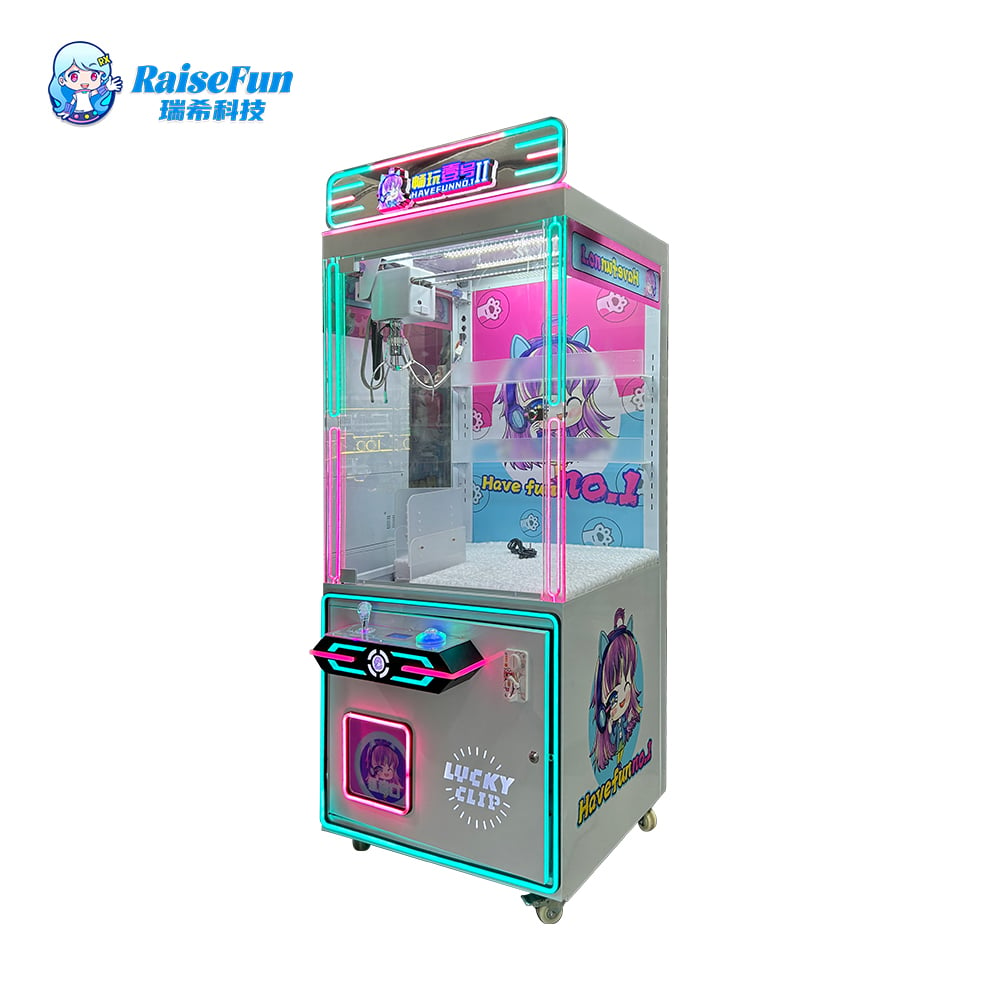
Claw machine maintenance is essential for any arcade venue operating in a high-traffic environment. When claw machines operate continuously throughout the day, they experience significant mechanical stress that can lead to performance degradation, player frustration, and lost revenue. Proper claw machine maintenance prevents costly breakdowns, extends equipment lifespan, and ensures consistent gameplay experiences that keep customers returning.
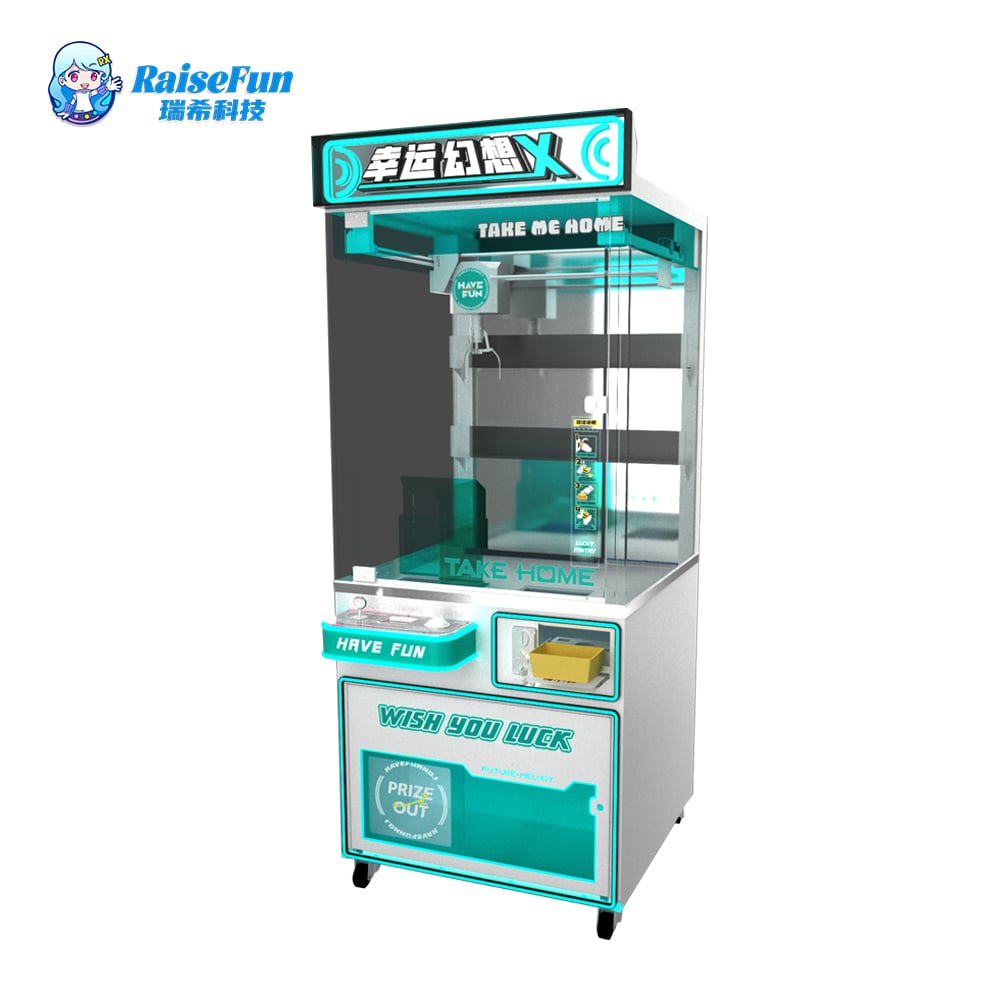
High-traffic arcade venues face unique challenges when managing claw machines. These machines must remain operational for 12 to 16 hours daily, handling hundreds of plays per week. Without systematic claw machine maintenance protocols, machines develop mechanical wear, calibration drift, and component failures that directly impact revenue and customer satisfaction. Investing time in preventive claw machine maintenance reduces emergency repairs and maximizes machine availability.
Daily claw machine maintenance tasks form the foundation of effective equipment management. Each morning, operators should inspect the claw mechanism for visible debris, dust accumulation, and mechanical misalignment. The joystick and button assemblies require cleaning to ensure responsive player controls, as sticky or unresponsive inputs damage customer experience and create maintenance complaints. Wiping down the glass exterior and prize area prevents dust buildup that can interfere with visibility and prize retrieval.
Claw machine maintenance at the daily level includes checking for loose coins, tickets, or debris inside the machine cabinet. These items can jam internal mechanisms or create electrical hazards. Operators should verify that the claw closes completely and opens fully without hesitation. Testing these basic functions daily catches early signs of motor or linkage wear before problems escalate into major claw machine maintenance emergencies.
Weekly claw machine maintenance involves deeper inspection of mechanical systems. The claw grip mechanism should be tested repeatedly to evaluate closing pressure consistency and grip reliability. Inconsistent grip strength is one of the most common complaints in arcade venues and often signals that claw machine maintenance is overdue. Operators should also inspect all moving parts for unusual noises, grinding sounds, or jerky movements that indicate wear requiring attention.
During weekly claw machine maintenance sessions, check all visible bolts and fasteners for looseness. Vibration from continuous operation causes gradual loosening of hardware. Tightening bolts before they create bigger problems is a cost-effective maintenance strategy. The chain or cable that operates the claw mechanism should be examined for fraying, corrosion, or misalignment. These components are critical to claw machine maintenance because their failure stops machine operation entirely.
The motor system is the heart of any claw machine maintenance program. Motors that operate continuously experience bearing wear, lubrication breakdown, and electrical stress. Effective claw machine maintenance includes regular motor inspections for unusual vibration, overheating, or noise changes. Motors that show signs of strain should be serviced before complete failure occurs, as replacement motors are expensive and downtime costs accumulate quickly in high-traffic venues.
Claw machine maintenance of the drive system requires checking gear alignment and lubrication levels. Gears that operate without proper lubrication wear rapidly and generate excessive heat. Quality gear lubricant reduces friction and extends component life dramatically. During claw machine maintenance, apply lubricant sparingly to avoid attracting dust that creates grinding debris. Over-lubrication is as problematic as under-lubrication, so operators should follow manufacturer specifications when performing claw machine maintenance tasks.
Electrical components require careful attention in comprehensive claw machine maintenance programs. Control boards manage timing, claw grip pressure, and game logic, making them critical to consistent gameplay. High-traffic venues expose electrical systems to temperature fluctuations, dust accumulation, and power surges that degrade board performance. Regular claw machine maintenance includes cleaning control boards with compressed air to remove dust that interferes with circuitry and causes overheating.
Claw machine maintenance of electrical connections involves checking all wire attachments for corrosion or loosening. Oxidized connections create resistance that reduces power delivery to motors and controls. During claw machine maintenance inspections, operators should verify that power cords show no damage and that surge protection devices remain functional. Electrical failures often cascade into multiple system failures, so proactive claw machine maintenance of power systems prevents expensive compound breakdowns.
Claw machine maintenance extends beyond cleaning and lubrication into precision calibration. Claw grip pressure must remain calibrated to maintain consistent difficulty levels and fair gameplay. As components wear, grip pressure naturally decreases, making the claw weaker and frustrating players. Professional claw machine maintenance includes periodic recalibration of claw grip strength to match manufacturer specifications. This adjustment is critical because even slight pressure reductions create a perception of broken machines and reduce customer confidence.
Claw machine maintenance also involves height and positioning adjustments. The claw mechanism must reach the target area accurately and descend smoothly without binding. Misalignment develops gradually through normal wear and requires attention during routine claw machine maintenance sessions. Operators should track which machines require frequent adjustments, as this pattern indicates which equipment needs deeper component-level inspection or replacement.
Systematic claw machine maintenance depends on detailed documentation. Operators should maintain logs tracking maintenance tasks, component replacements, and repair dates for each machine. These records reveal patterns showing which components fail frequently, guiding decisions about preventive replacement before failure occurs. Documentation of claw machine maintenance activities also protects venue operations by creating accountability and ensuring consistent care standards across multiple machines.
Record keeping for claw machine maintenance becomes invaluable when diagnosing recurring problems. If a machine returns to service but the same issue reoccurs, maintenance logs reveal whether the repair was properly executed or whether a root cause remains unaddressed. Over time, claw machine maintenance records provide data showing which machine models prove most reliable in high-traffic environments, informing future equipment purchasing decisions.
High-traffic arcade venues should perform daily visual inspections and cleaning, weekly mechanical assessments, and monthly deep maintenance on each claw machine maintenance schedule. The specific frequency depends on daily play volume, but machines receiving 200+ plays daily require maintenance every 3 to 5 days minimum. Quarterly professional servicing should be scheduled for major component inspection and recalibration.
The most frequent claw machine maintenance problems include weakening grip pressure, joystick unresponsiveness, claw misalignment, mechanical grinding or jamming, and electrical control glitches. Grip pressure decline is the single most common complaint because players perceive weak gripping as machine failure even when other systems function properly. Mechanical jamming usually develops from dust accumulation or worn chain components, both preventable through consistent claw machine maintenance.
Arcade operators can handle routine daily and weekly claw machine maintenance tasks including cleaning, basic lubrication, and visual inspections. However, electrical diagnostics, precision calibration, motor service, and component replacement require professional expertise and specialized tools. Most successful high-traffic venues employ trained staff for routine claw machine maintenance while contracting specialists for quarterly deep maintenance and complex repairs. This hybrid approach balances cost efficiency with professional-grade care quality.
 Hot News
Be the first to get our latest styles and offers.
Copyright © Guangzhou Ruixi Technology Co., Ltd.now All rights reserved - Privacy Policy

 EN
EN