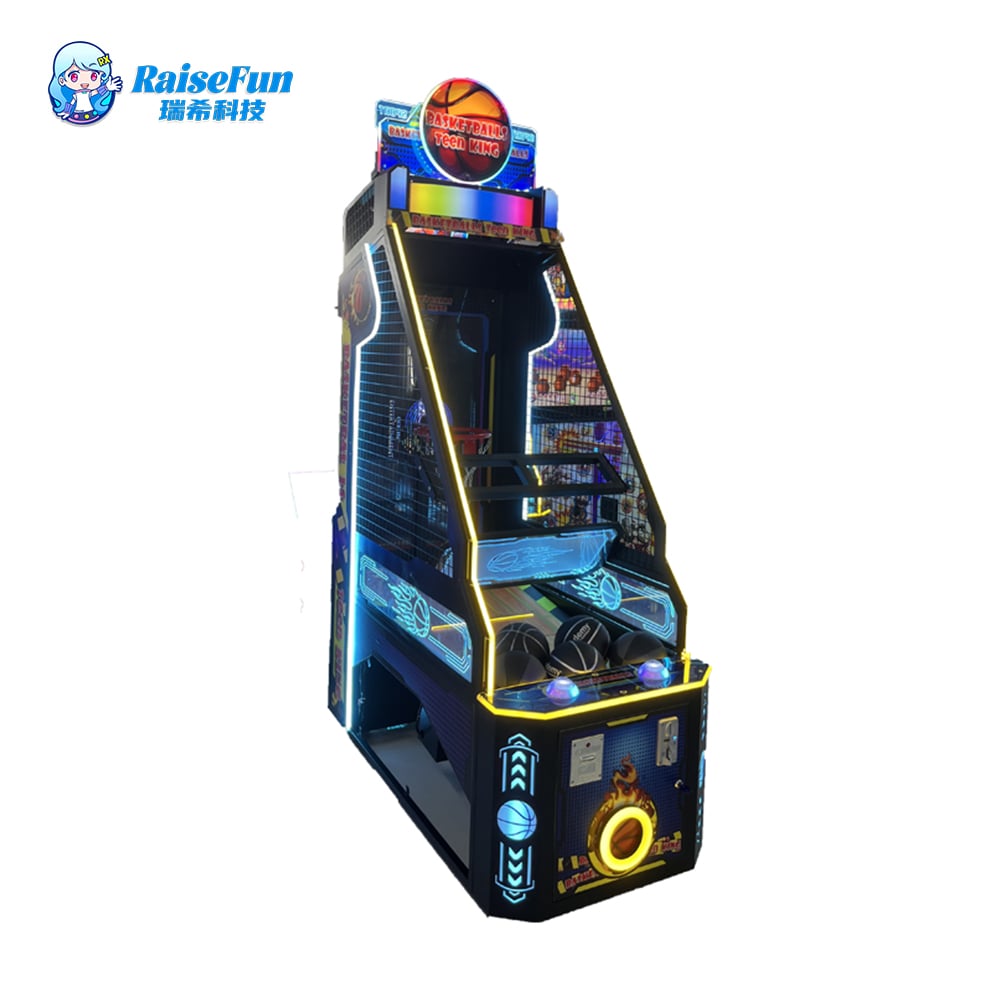
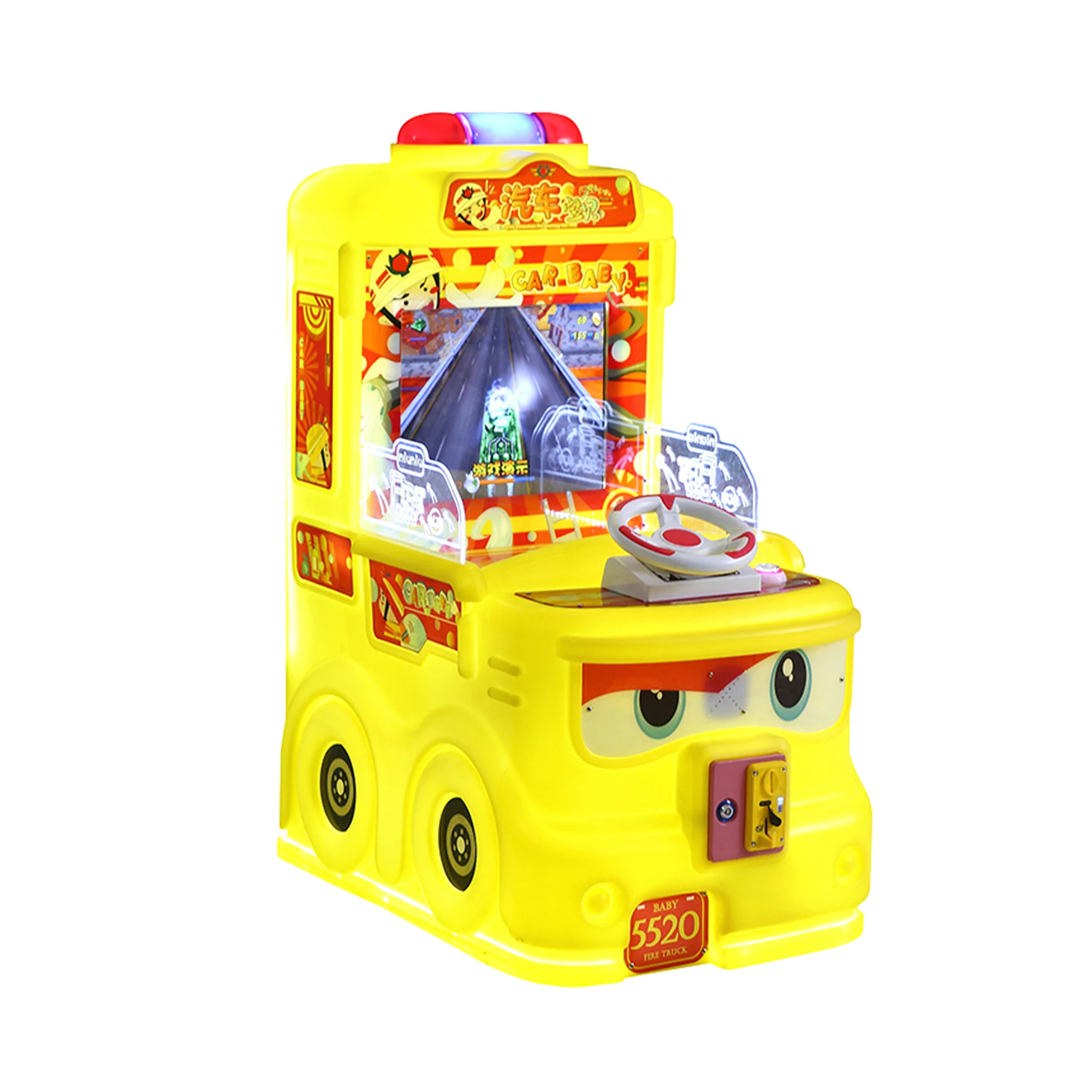
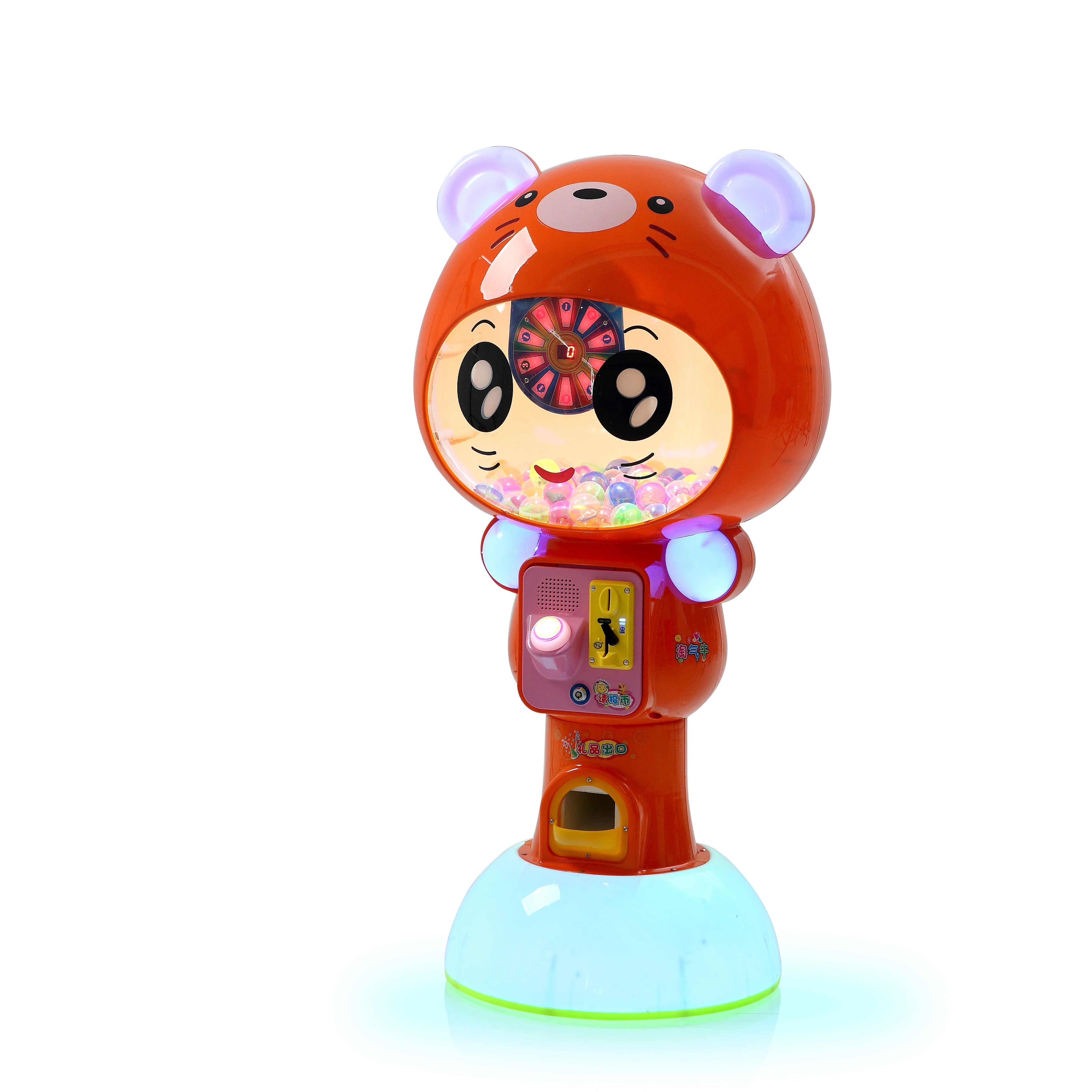
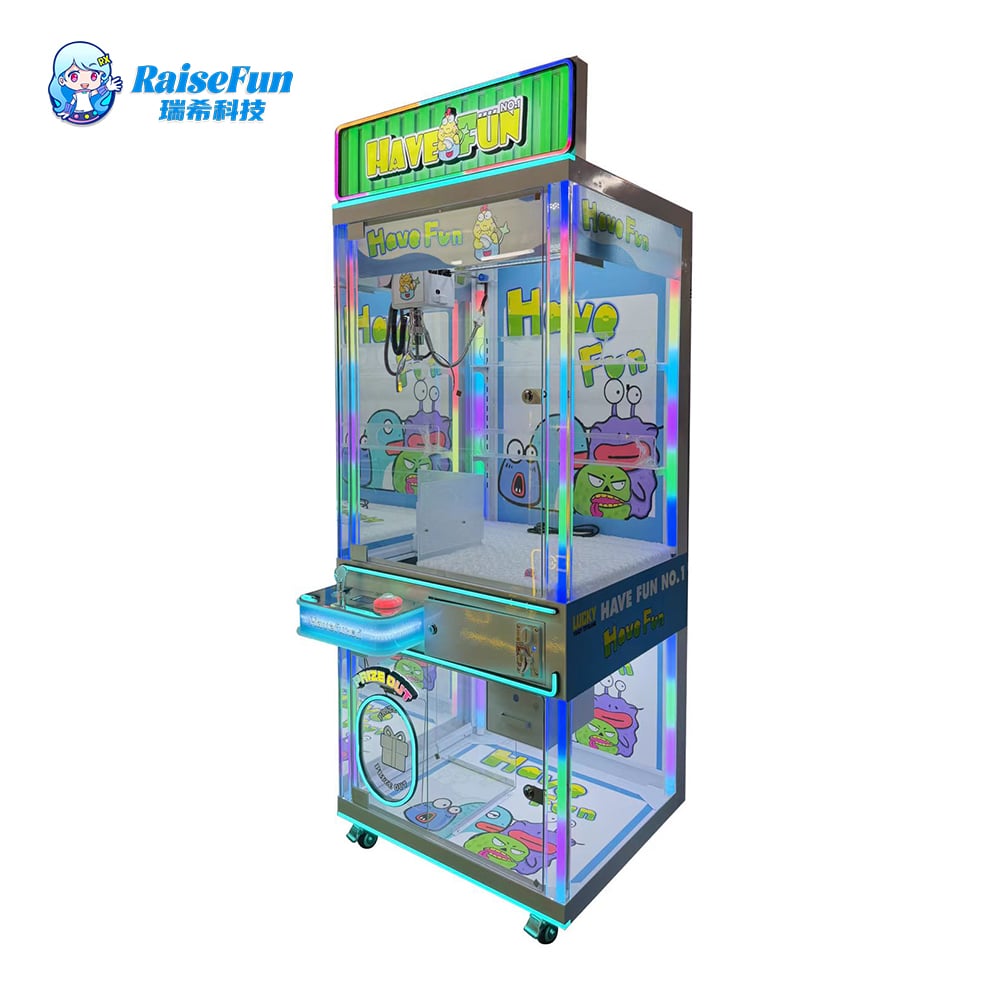
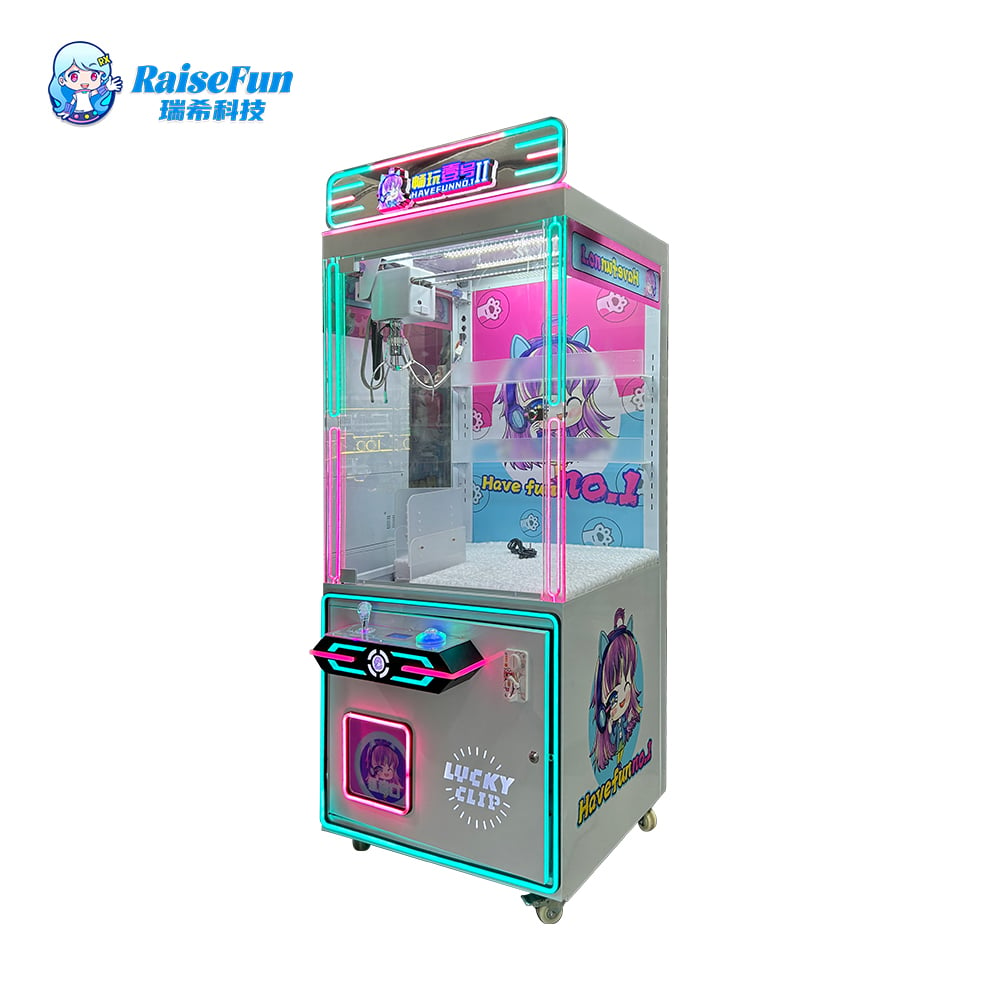
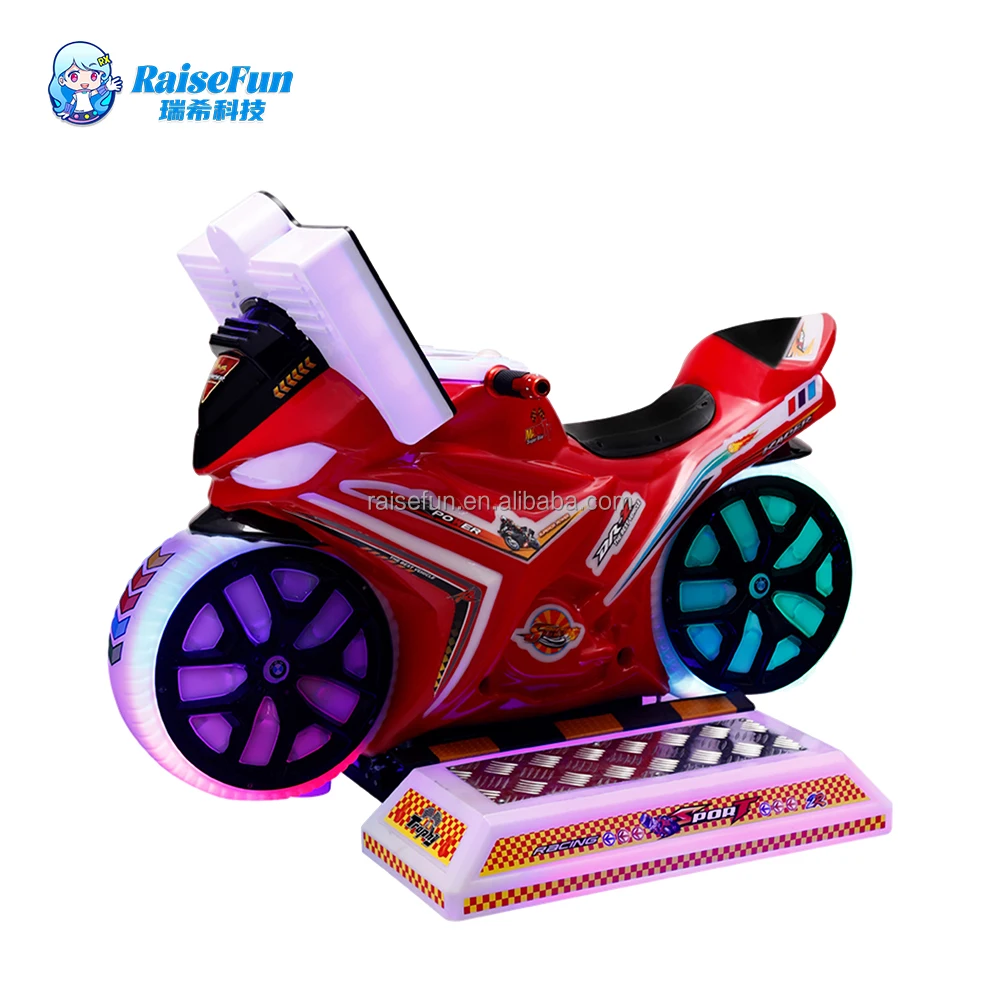
Getting the right prize redemption machine really comes down to knowing what makes your main crowd tick. Kids between 3 and 8 generally want something straightforward they can figure out fast. Games where they just mash buttons, match colors, or activate lights work well since these little ones don't stay focused long and need rewards right away. Most arcades see this when they install those basic claw machines or simple matching games that give out tickets consistently. Teenagers are different though. They gravitate toward things that test their skills, like shooting hoops or timing reactions. The ones with scoreboards and different difficulty levels keep them coming back again and again because they want to beat their own high scores. Family entertainment centers with people of all ages need machines that everyone can play together. Shared hopper systems or games where teams compete against each other tend to bring families in closer. Just make sure not to overload younger kids with complicated controls, but for teens, having multiple challenge levels helps maintain interest as they get better at the game.
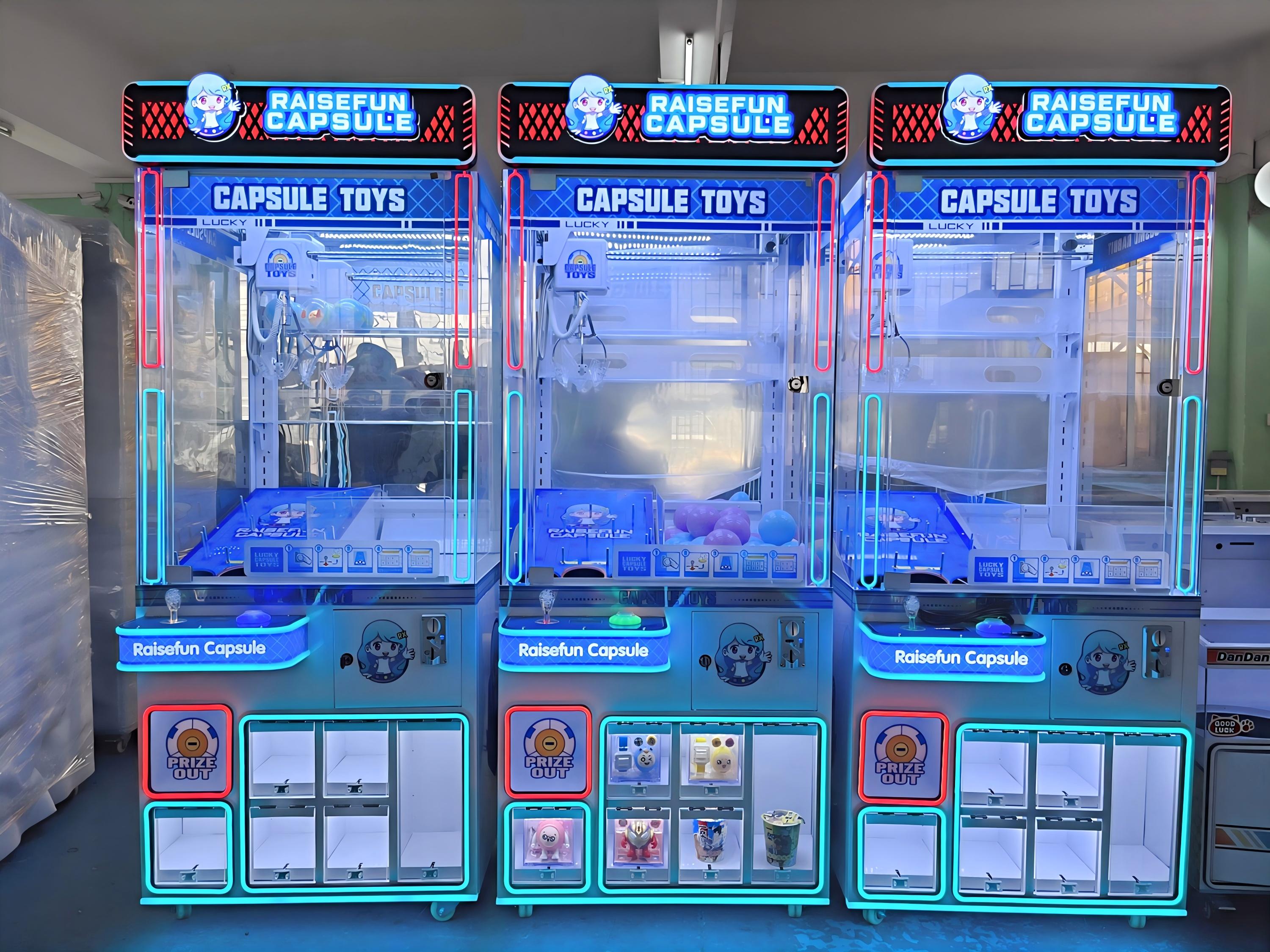
Getting demographics right isn't just theory work—it actually affects how much money comes in. According to IAAPA's report from last year, about seven out of ten family entertainment centers managed to boost redemption revenue somewhere between 19 percent and 34 percent once they started adjusting game machines based on who was coming through their doors most often. Places where kids made up at least 60% of visitors noticed something interesting too: people spent around 28% more per person when they swapped those complicated games requiring lots of skill for simpler ones that relied on luck instead. These newer games had flashy graphics and gave immediate results which worked better for younger audiences. On the flip side, centers focused on teenagers saw their repeat business jump almost overnight by implementing games that included live score tracking, options to share scores online, and difficulty levels that changed depending on player performance. Bottom line? Keep checking what age groups are showing up every three months or so, then tweak everything from how hard games are to how often rewards pop up, plus themes and screen layouts too.
Strategic placement directly impacts both revenue flow and guest navigation. High-traffic zones—including entrances, concession corridors, and attraction queue lines—require configurations that avoid congestion while maximizing impulse engagement:
Prioritize visibility without obstruction—position screens at natural eye level along primary pathways and ensure emergency exits remain fully unobstructed. This spatial discipline transforms underutilized corners into high-yield micro-zones through intentional, flow-conscious planning.
Long term profitability really comes down to three main factors that work together. When games are easy to pick up right away, people stay longer. Arcade studies show that complicated controls actually turn off around two thirds of folks trying something new for the first time. The best setups have straightforward goals, good physical responses when buttons are pressed, and don't require reading through pages of instructions before playing. Getting people back for another go round depends on smart design choices too. Machines that gradually get harder as players improve tend to bring in about 40% more repeat plays during each visit. And those random rewards after several tries keep folks coming back again and again. Let's not forget about looks either. Bright LED screens, lights that react to movement, and themed lighting make all the difference. These visual features can boost how long customers hang around and attract more visitors even in busy family entertainment centers where there's plenty of competition for attention. Put it all together and what happens? People get hooked initially because things make sense, then they keep coming back for more fun, and finally they spread the word about their great experiences at your location.
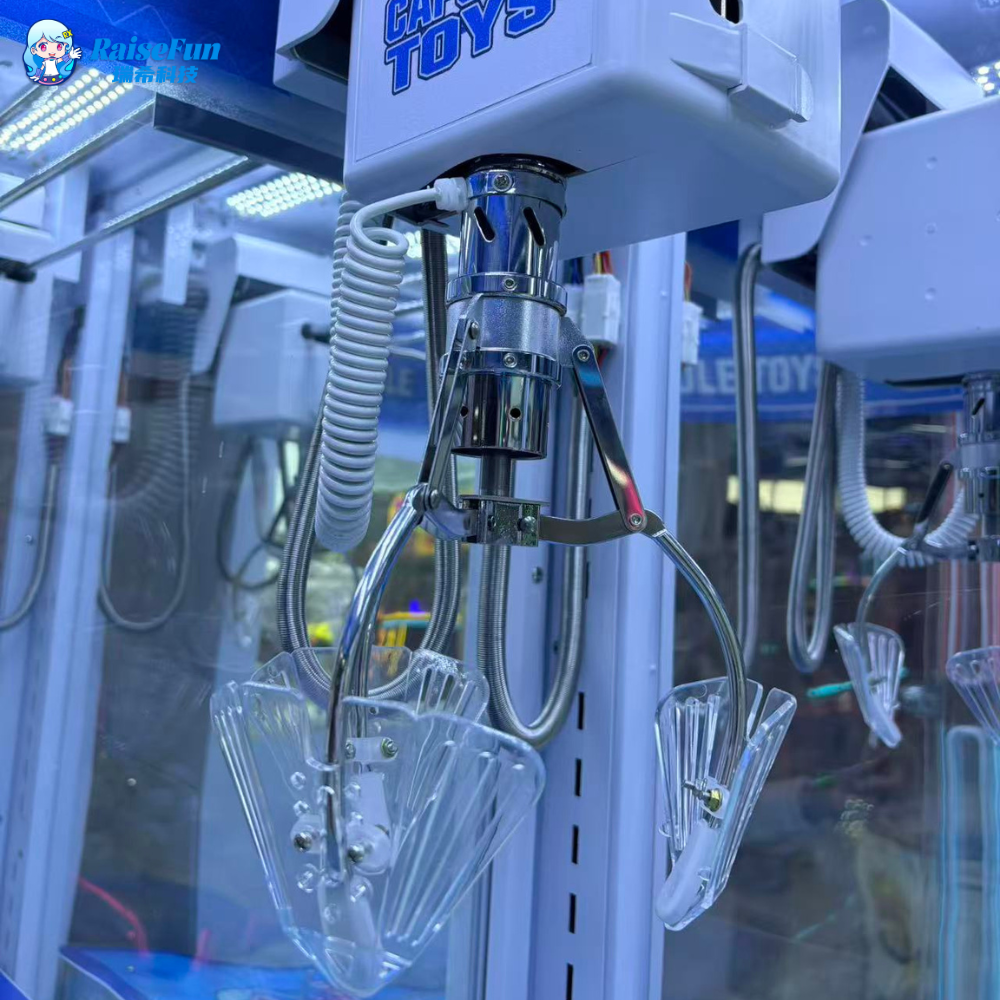
Operational flexibility separates profitable machines from margin leaks. Adjustable ticket payouts allow dynamic balancing of player satisfaction and gross margin:
Real-time management dashboards enable precise, on-the-fly adjustments:
| Feature | Profit Impact |
|---|---|
| Remote difficulty tuning | Prevents 34% of service interruptions |
| Live ticket analytics | Reduces prize overstock by 28% |
| Auto-payout alerts | Cuts reward errors by 91% |
This granular control safeguards margins while preserving perceived value—especially critical given that 78% of redemption revenue stems from repeat visits.
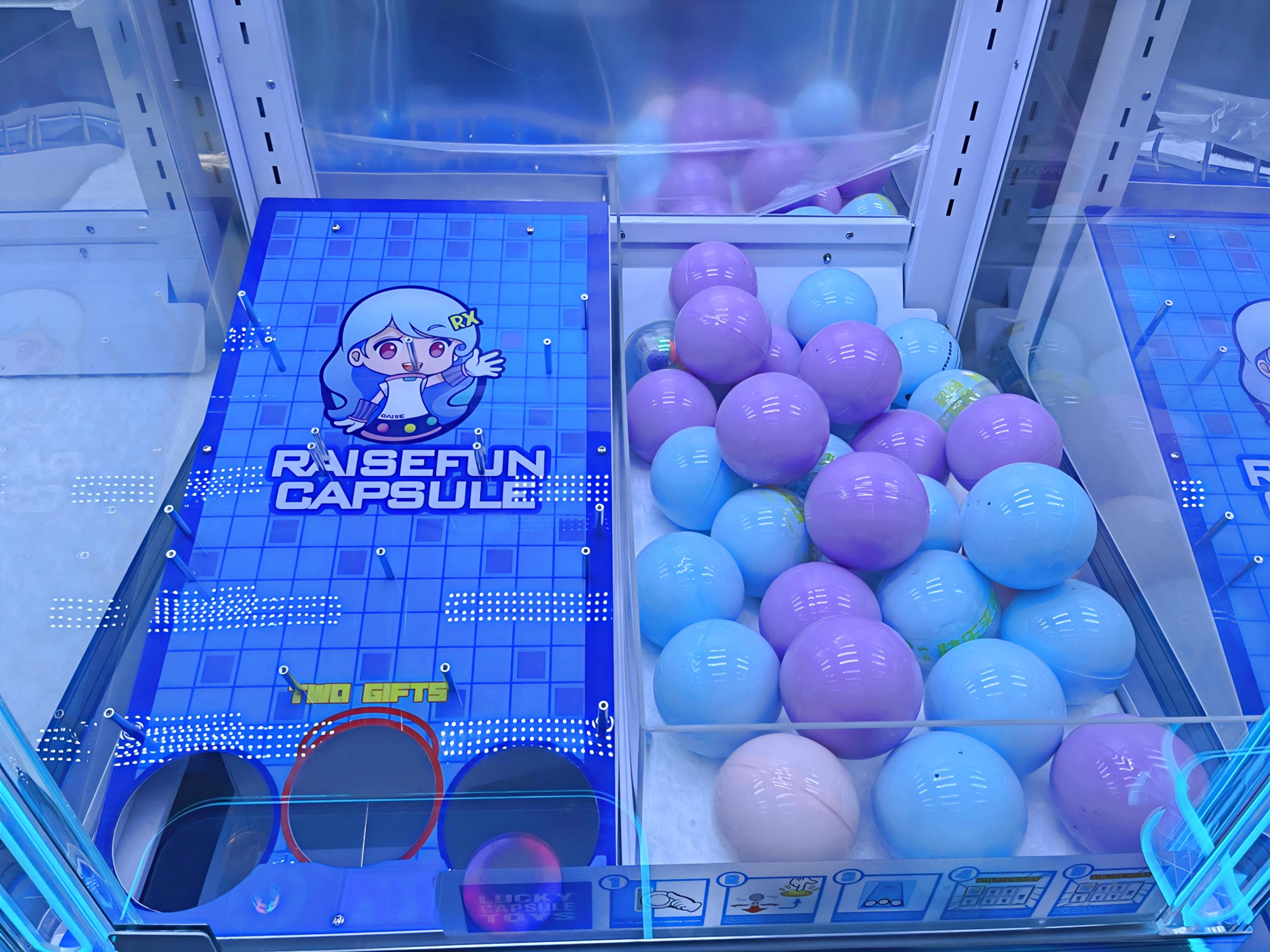
The bottom line is that businesses need strong relationships with suppliers who can weather storms together, plus infrastructure that's built to handle whatever comes next. When looking at manufacturers, companies should really focus on those that offer solid warranty packages at least covering three years for both parts and labor. Also important is having access to round-the-clock technical help. The best ones will actually have written service level agreements that promise someone gets onsite within four hours when there's a serious breakdown. And don't forget what the numbers tell us either. According to research from the Ponemon Institute, facilities experiencing unexpected equipment shutdowns typically see their earnings drop by around seven hundred forty dollars every single hour they're out of commission, not just from lost production but all sorts of other hidden costs too.
Operational sustainability rests on three measurable factors:
| Sustainability Factor | Impact on FEC Operations | Long-Term Benefit |
|---|---|---|
| Energy Efficiency | Reduces utility costs 15–30% | Lower total cost of ownership |
| Modular Component Design | Enables field-swappable repairs | 40% longer machine lifespan |
| Remote Monitoring | Enables predictive maintenance | 90% reduction in unexpected failures |
We need proof that suppliers follow ISO 14001 standards for their manufacturing operations and source minerals from conflict-free zones. Vendors should give clear details about what they charge for consumables like ticket rolls and parts for thermal printers. They also need to have proper systems in place for taking back used products or recycling them at the end of life. When companies commit to good customer support networks while building environmentally conscious products, it keeps the whole business model working financially while meeting today's stricter green regulations and sustainability goals across different markets.
When facilities integrate their operations strategically, what starts as separate transactions becomes something much more meaningful for guests overall. Put those redemption machines right next to the concession stands where families tend to stop anyway during snack time. This turns regular breaks into easy opportunities for guests to claim their prizes without hassle. For areas where birthday parties happen frequently, setting up special kiosks makes sense. Otherwise groups end up splitting off to line up at prize counters separately, which just creates chaos. The best FECs connect these machines with big prize counters through real time inventory tracking systems. These systems send alerts when certain items are running low so staff can restock before problems arise. According to industry benchmarks from IAAPA, facilities that follow this kind of integrated strategy typically cut down on average waiting times for guests by around 30%.
Good signage makes all the difference when linking game areas with ticket redemption spots. Use icons, colors, or arrows to guide people through the space so they don't get lost trying to find where to cash in their tickets. We've found that putting redemption machines close to exits works really well. Guests heading out can grab their prizes right before they leave without having to backtrack across the facility. The whole layout keeps visitors engaged longer because they know exactly where to go next. It also cuts down on those moments where someone stands there wondering what to do next. During busy times, this setup stops long lines from forming at redemption points. What starts as just another step becomes something fun and rewarding for families finishing their day at the entertainment center.
Games that are simple to understand, like button mashing, color matching, or activating lights, are suitable for kids aged 3 to 8. These games should offer immediate rewards to keep children engaged.
Implementing games with live score tracking, the ability to share scores online, and adjustable difficulty levels can attract teenagers and increase repeat visits.
Strategic placement improves revenue flow and guest navigation by placing machines near high-traffic zones such as entrances, concessions, and attraction queue lines. This increases engagement and reduces congestion.
Successful machines have intuitive gameplay, offer gradual difficulty to retain players, and include visual appeal with bright screens and lights to attract and keep customers engaged.
FECs can ensure sustainability through energy-efficient designs, modular components for easier repairs, and remote monitoring for predictive maintenance, which enhances longevity and reduces unexpected failures.
Redemption machines should be placed near concessions, birthday areas, or exits to enhance guest experience. This integration should include effective signage for guiding visitors and real-time tracking of inventory to minimize waiting times.
 Hot News
Be the first to get our latest styles and offers.
Copyright © Guangzhou Ruixi Technology Co., Ltd.now All rights reserved - Privacy Policy

 EN
EN