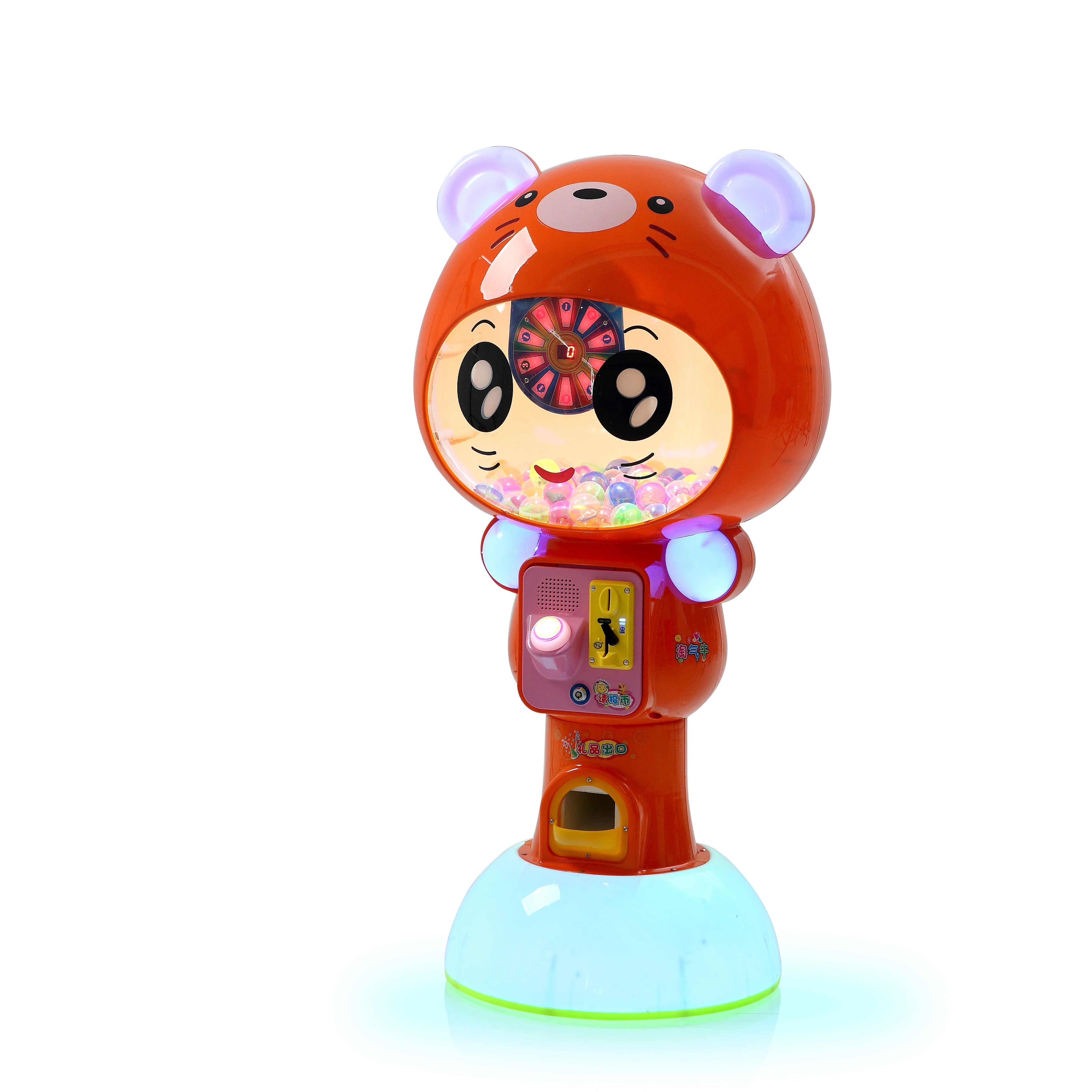
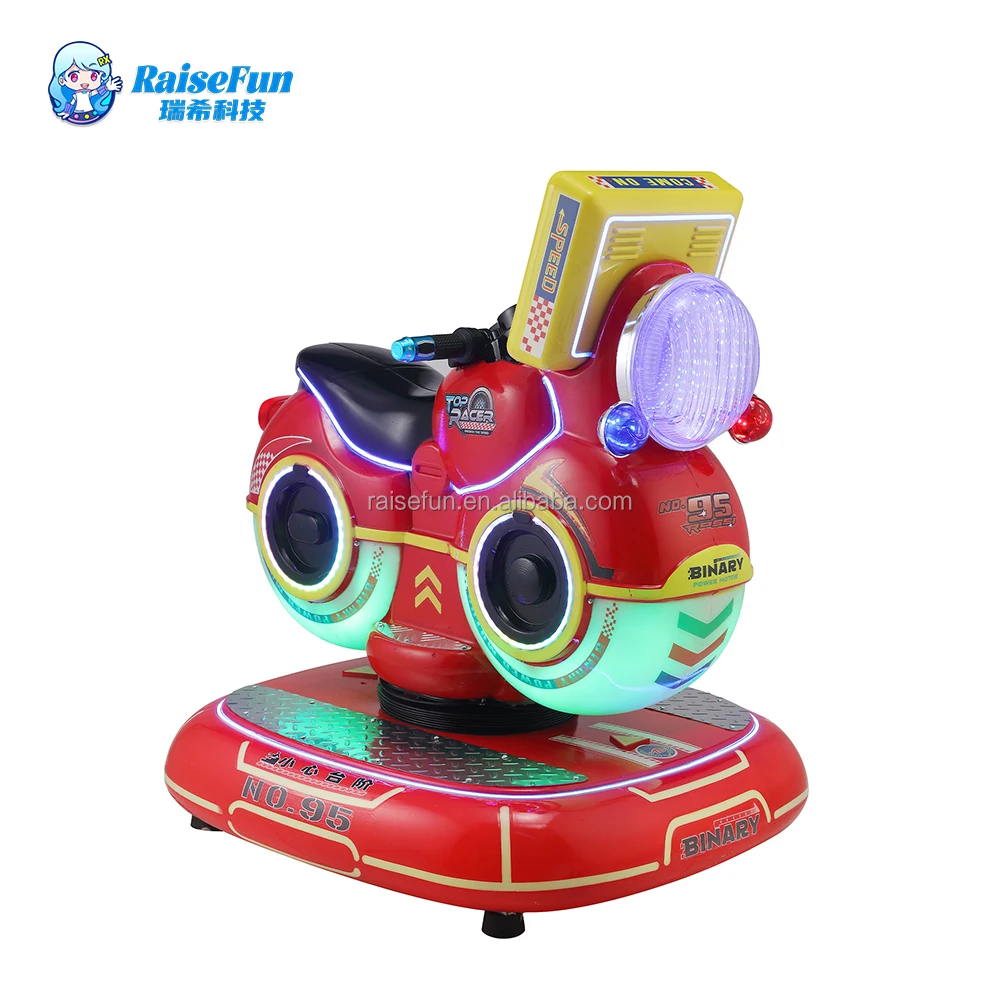
Ticket redemption machines activate a proven behavioral loop: immediate, tangible feedback in the form of tickets triggers dopamine release, reinforcing continued play. Unlike binary skill games—where win/loss outcomes can feel abrupt—redemption machines deliver frequent micro-wins that sustain engagement. Players naturally adopt goal-oriented thinking: “How many more tickets do I need?” or “Which machine gives the best yield?” This mental framing extends session duration, directly increasing per-visit spend. Because gameplay is accessible and rewards are visible, these machines are especially effective at retaining families and casual players who might otherwise exit after one round.
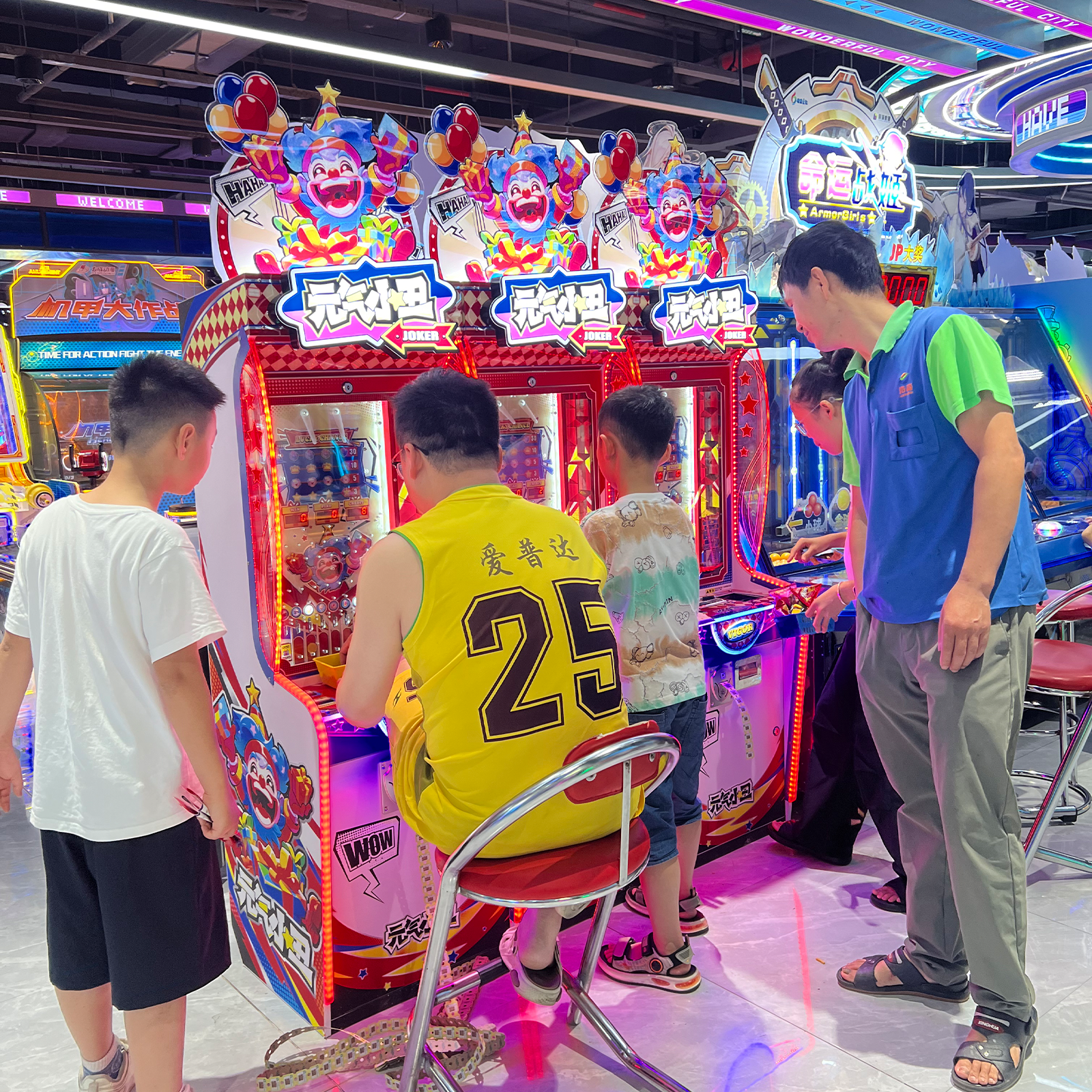
A strategically calibrated ticket system transforms low-margin gameplay into high-margin overall revenue. Machines are tuned to issue tickets at a rate that feels generous to players while keeping the cost-per-ticket well below the redemption value of prizes. By offering tiered rewards—low-cost “junior” items (e.g., candy, keychains) alongside aspirational premium prizes—operators create multiple spending thresholds. A player chasing a $25 plush toy may play 20–30 low-cost games across several visits, converting what would be a single $1 transaction into a $20+ customer journey. Bulk-purchased prizes carry low unit costs, while their perceived value drives satisfaction and repeat behavior. When balanced correctly, the system becomes a self-reinforcing profit engine—rewarding players with progress and operators with sustainable margins.
Ticket redemption machines create a powerful loyalty loop rooted in reward anticipation and goal-oriented behavior.
Exchanging tickets for physical prizes delivers tangible satisfaction that converts one-time sessions into habitual visits. Venues with integrated redemption systems consistently report higher return rates and longer dwell times. Research from the International Association of Amusement Parks and Attractions (IAAPA) shows that arcades with active prize redemption programs see up to a 35% increase in repeat visits compared to those without—and average session length rises by 18–22%. The prize counter itself becomes a destination, extending the experience beyond the game floor. This retention effect generates incremental revenue without requiring new hardware or marketing spend, making it one of the most efficient drivers of long-term customer lifetime value.
Progressive accumulation—where players save tickets toward larger, desirable goals—is central to sustaining long-term engagement. Clear, attainable thresholds (e.g., 500 tickets for a mid-tier plush, 1,000 for a licensed electronic item) create emotional investment in the ticket balance. Players return specifically to “close the gap,” building anticipation and reinforcing habit formation. Operators can fine-tune motivation by adjusting prize valuations seasonally or based on redemption analytics—without raising costs. This approach shifts the focus from short-term wins to sustained participation, transforming occasional visitors into loyal patrons who visit more frequently and stay longer with each trip.
Profitability hinges on aligning actual prize cost with player-perceived value. Industry benchmarks show the average operator cost per ticket ranges from $0.002 to $0.005—while perceived prize value often runs two to five times higher. For example, a $4 wholesale plush set at 200 tickets yields a $0.90 net margin per $1 play (assuming 100 tickets per win), assuming optimal machine calibration. Overly generous payouts erode margins; overly stingy ones reduce motivation. Effective tiering—small prizes at 5–20 tickets, mid-range at 30–100, premium at 200+—keeps cost aligned with aspiration. Blending affordable generic items with high-demand licensed goods maximizes appeal without inflating procurement costs. Regular review of redemption ratios ensures ongoing alignment between player behavior and profitability.
To maximize return on investment, focus on three interdependent pillars: strategic placement, prize optimization, and data-informed maintenance.
Position machines in high-visibility, high-traffic zones—such as near entrances, food courts, or restrooms—to capture impulse plays. Pair each unit with clear, dynamic signage highlighting top-tier prizes; IAAPA data indicates this simple tactic lifts redemption rates by up to 25%. Use redemption analytics—not just ticket volume, but which prize tiers and values drive the most engagement—to guide inventory decisions. A balanced mix of low-cost, high-perceived-value items (e.g., candy, novelty toys) and aspirational big-ticket prizes (e.g., Bluetooth speakers, branded collectibles) maintains motivation across all age groups and spending levels. Schedule weekly ticket refills and mechanical checks during off-peak hours to avoid downtime; even one day of outage can reduce monthly revenue by 8–12%. Train staff to frame redemption as an achievable goal—not an afterthought—with prompts like “You’re only 50 tickets away from that plush toy” to extend dwell time and reinforce return intent. When executed cohesively, operators typically achieve full ROI within six to nine months.
Ticket redemption machines are arcade game systems that dispense tickets as rewards based on gameplay. Players can exchange tickets for prizes at a redemption counter.
These machines extend play sessions and encourage repeat visits by leveraging goal-oriented player behavior and progressive rewards. This drives higher per-visit spending and improves overall profitability.
Progressive accumulation allows players to save tickets over time to reach specific prize thresholds. This mechanism encourages return visits and sustains long-term engagement.
Operators should focus on strategic prize valuation, efficient ticket payout calibration, and balancing perceived value with procurement costs. Regular reviews of redemption analytics and player behavior are critical for ongoing profitability.
Key strategies include optimal machine placement, dynamic signage, regular maintenance, and prize inventory optimization. Reinforcing achievable goals through staff interaction helps enhance player retention.
With cohesive implementation, ROI is typically achieved within six to nine months through increased revenue and customer engagement.
 Hot News
Be the first to get our latest styles and offers.
Copyright © Guangzhou Ruixi Technology Co., Ltd.now All rights reserved - Privacy Policy

 EN
EN