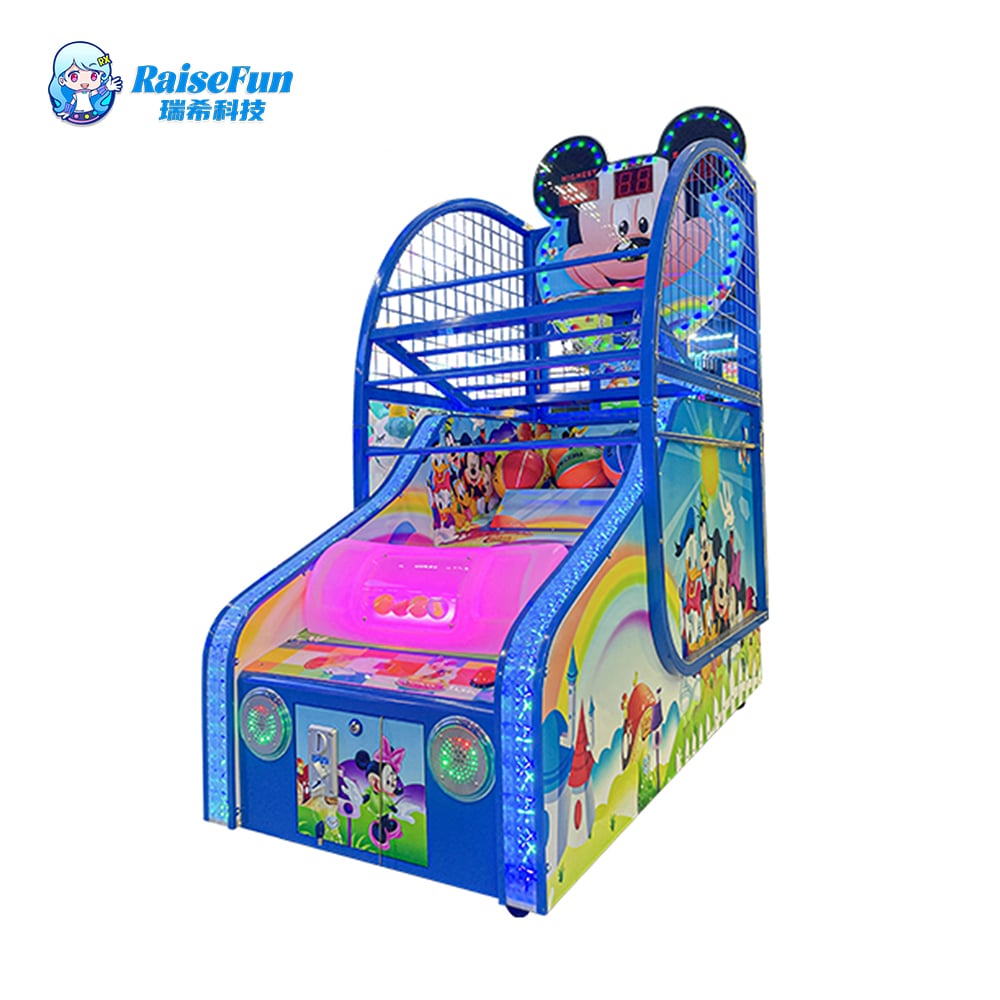
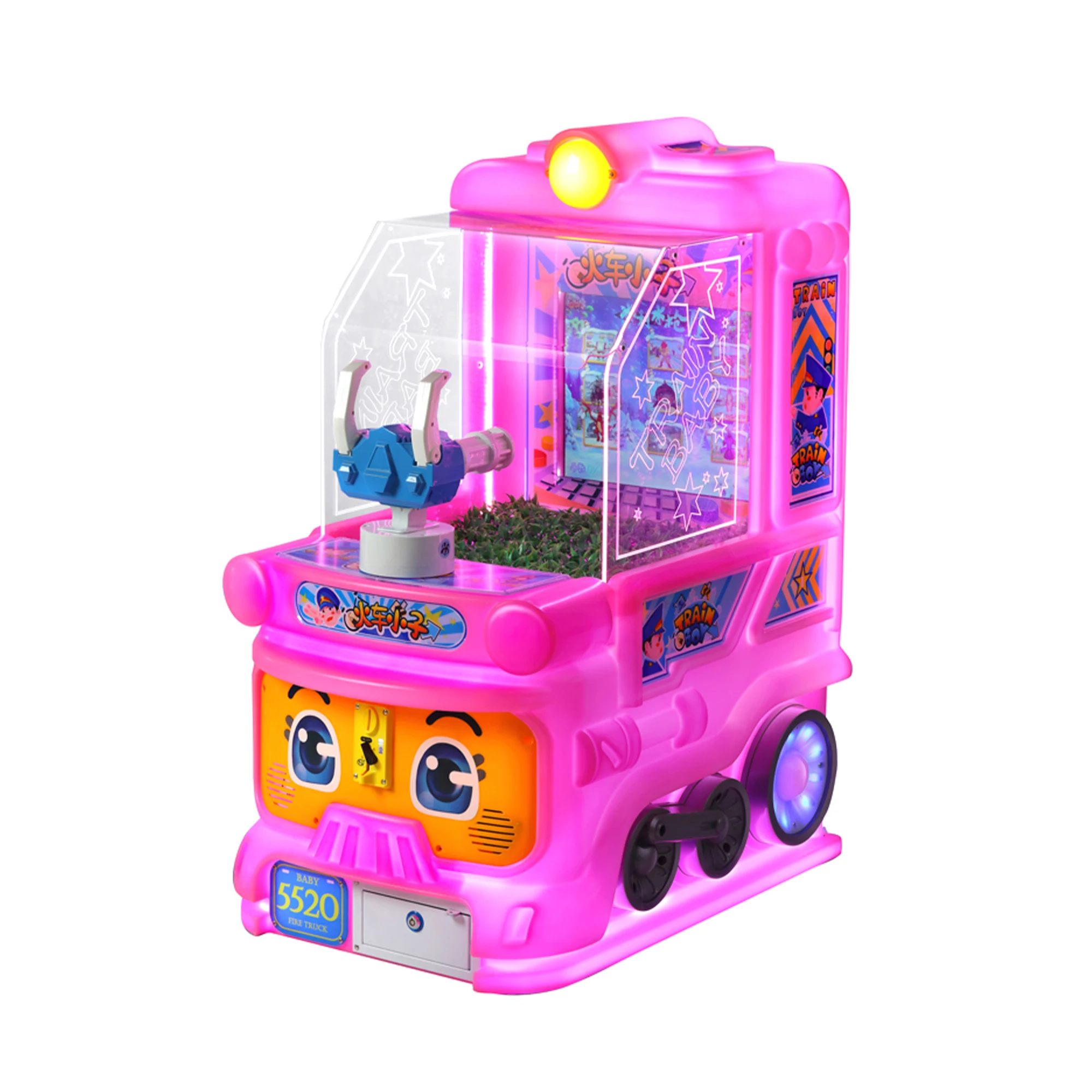
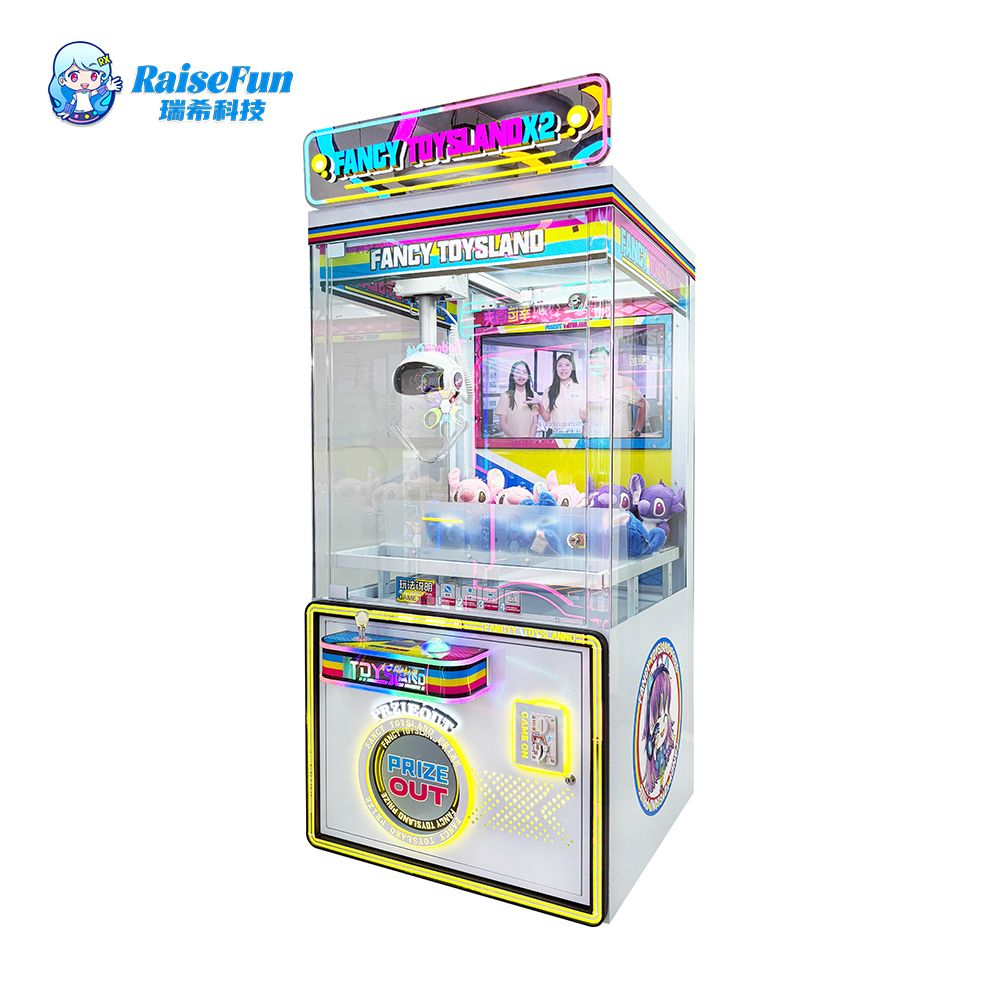
Successful Family Entertainment Centers (FECs) cluster attractions by age group to boost engagement and streamline supervision. Placing kid-friendly machines—such as compact claw cranes and intuitive shooting games—near entry points creates an easily monitored zone for younger guests. Teens naturally gravitate toward immersive experiences like VR racing simulators, which are best positioned deeper in the floor plan to extend dwell time. This zoning reduces supervision costs by 15–20% while increasing play frequency per visitor, according to location-based traffic analytics. High-visibility anchors—like large redemption games—placed centrally draw families further into the space, reinforcing natural flow and discovery.
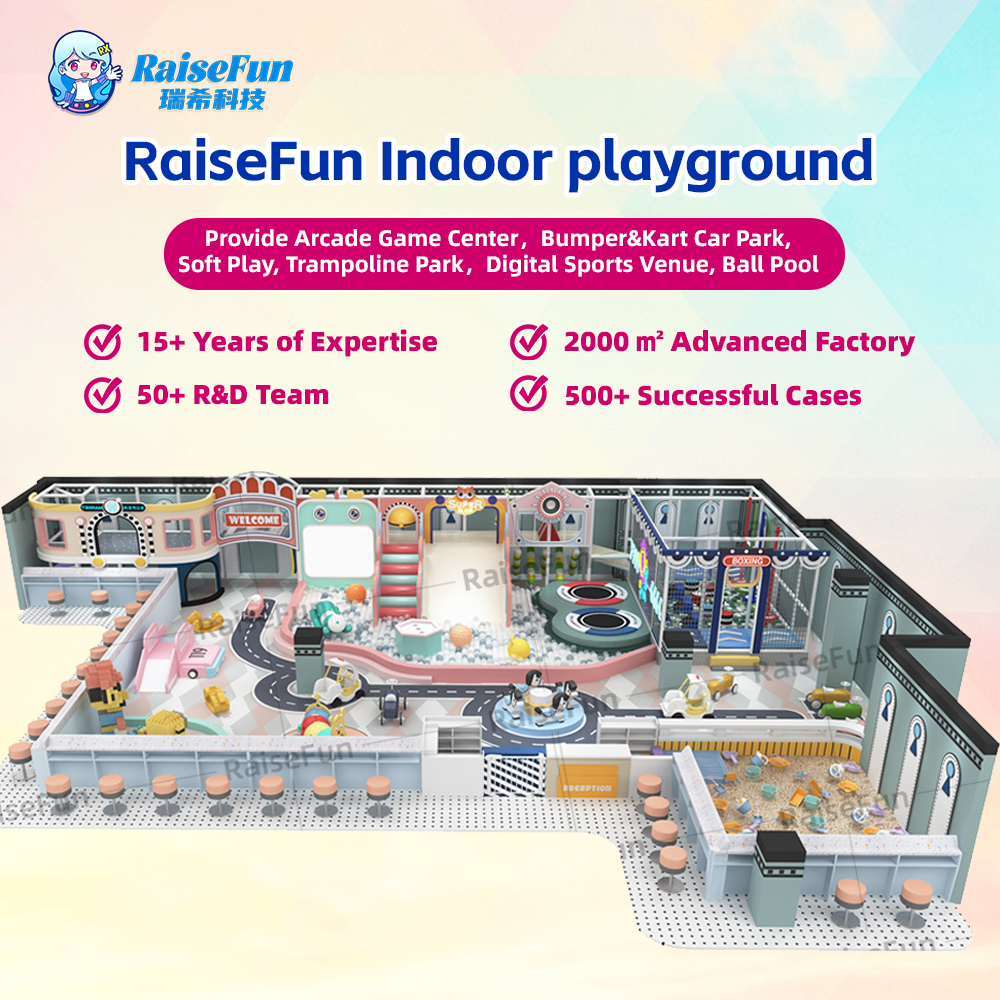
Revenue per square foot hinges on intentional game density and placement. Near entrances, prioritize compact, high-turnover machines—ideally 40–50% redemption units—with short play cycles to capture impulse engagement. Deeper zones accommodate larger experiential attractions, such as multiplayer VR systems, which support premium pricing and longer sessions. Industry benchmarks show that balancing skill-based (60%) and video (40%) games across mixed-use facilities optimizes space utilization and cross-play behavior. FECs using zone-based density ratios report 18–22% higher revenue efficiency than those with ad hoc layouts. Crucially, aligning machine size and throughput with traffic patterns prevents bottlenecks around premium units—maximizing hourly player volume and protecting margins.
Certified arcade equipment is non-negotiable for operational safety, regulatory compliance, and long-term viability. UL and CE certifications validate electrical safety and adherence to U.S. and EU standards—significantly lowering fire and shock risks. FCC certification ensures electromagnetic compatibility, preventing interference with point-of-sale systems or Wi-Fi networks. RoHS compliance eliminates lead, mercury, and other hazardous substances, safeguarding patrons, staff, and the environment. ISO-certified manufacturing signals rigorous quality control from component sourcing through final assembly. Collectively, these credentials demonstrate due diligence to insurers—often resulting in lower premiums—and reduce unplanned downtime, as certified units undergo stricter pre-shipment testing. For FEC operators, this translates directly into reduced liability exposure and more predictable uptime.
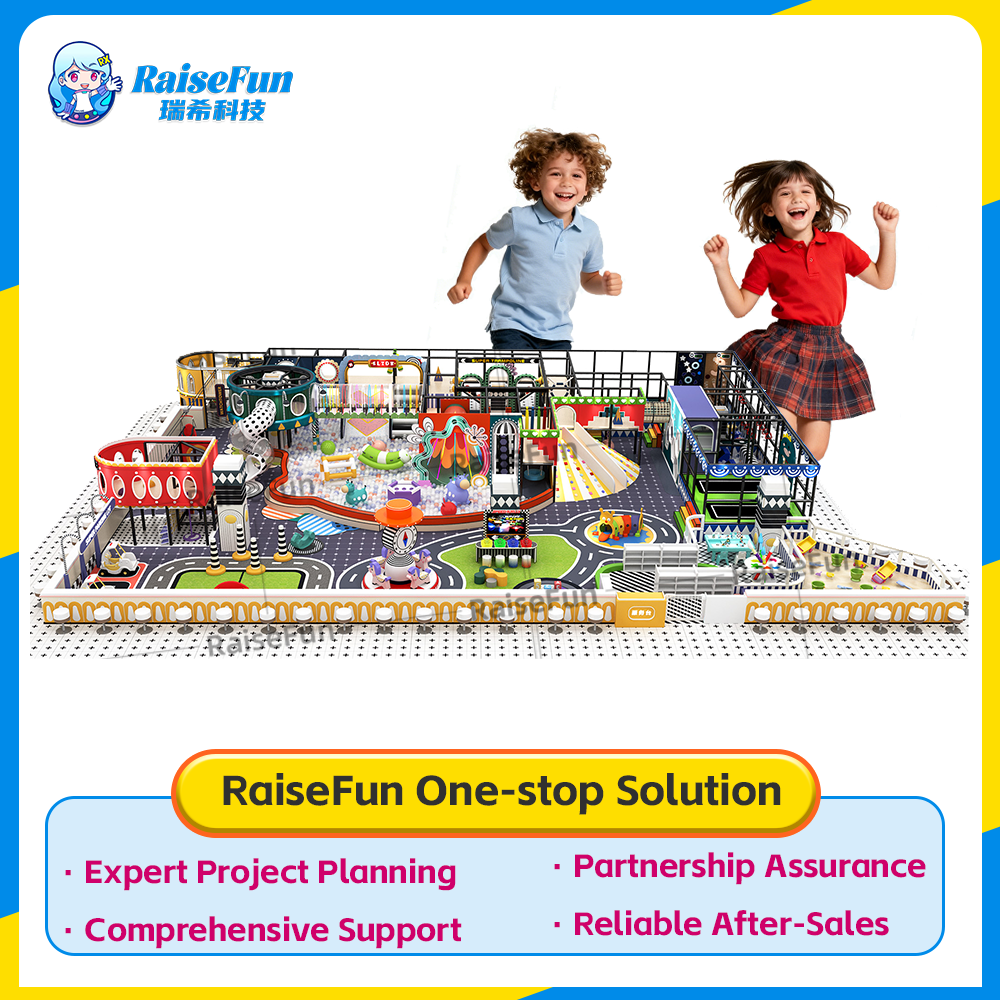
Mean Time Between Failures (MTBF) is a critical reliability indicator: a higher MTBF correlates strongly with fewer field failures over a machine’s lifecycle. Stress testing—subjecting units to simulated peak load, thermal cycling, and extended coin/mechanism operation—identifies design or component weaknesses before deployment. Evaluating both metrics enables accurate forecasting of total cost of ownership (TCO), moving beyond sticker price to include maintenance labor, spare parts, and lost revenue. For example, a machine rated at 50,000 hours MTBF with validated stress tolerance typically requires 30–40% fewer repairs over five years. That reliability also supports proactive maintenance scheduling during off-peak windows—preserving uptime without disrupting guest experience. In a family arcade solution, aligning MTBF data with daily operational rhythms ensures floor space remains productive and revenue streams stay resilient.
A true turnkey supplier accelerates FEC launch through end-to-end layout integration—not just equipment delivery. This includes detailed site surveys, CAD-driven space planning, and game placement calibrated to traffic flow studies and demographic mapping. Suppliers with in-house engineering teams resolve electrical load balancing, network infrastructure, and ADA-compliant routing before installation begins—avoiding costly mid-project redesigns. Integrated project management cuts average setup time by up to 40% versus coordinating multiple vendors independently, getting your family arcade solution revenue-ready faster and with minimal disruption to pre-opening operations.
Sustainable performance depends on structured, responsive support—not just reactive fixes. Leading suppliers deliver a four-tiered technical stack:
This proactive model sustains >95% industry-standard machine uptime. ISO 9001 certification across all service tiers further ensures consistency, documentation rigor, and continual improvement—directly protecting per-square-foot yield.
A well-planned family arcade solution relies on a deliberate game mix that aligns floor space with observed player behavior. The right balance drives longer dwell times, higher spend per visit, and stable daily revenue—two core strategies—stratifying game types by performance metrics and integrating hybrid attractions—convert casual play into sustained profitability.
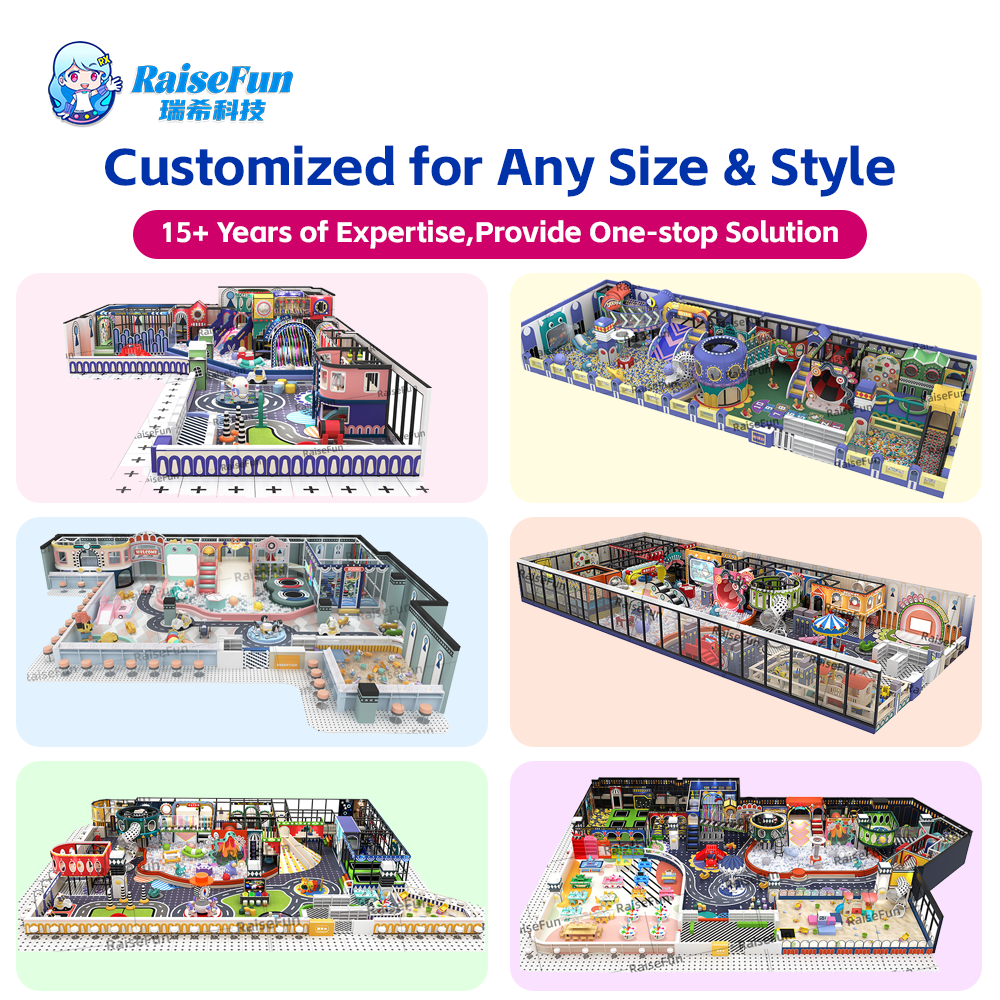
Floor space allocation should begin with UPT (Units Per Transaction)—a measure of how many game plays a customer completes per visit. Skill-based redemption machines (e.g., ticket cranes, pushers) consistently generate higher UPT: their tangible reward loop encourages repeat play. Video games—especially simulators and racing units—require more square footage and yield lower UPT but attract older demographics willing to pay more per session. A proven 60/40 split—60% floor space to redemption, 40% to video—maximizes cross-play: guests move fluidly between categories, raising daily revenue per square foot by 15–20%. This ratio also broadens age coverage and supports organic traffic circulation.
Hybrid attractions—like VR experiences that award redeemable tickets based on in-game performance—act as powerful ARPU (Average Revenue Per User) multipliers. They combine the premium pricing of immersive tech with the repeat-play incentive of ticket accumulation. Operational data confirms hybrid units generate 30–40% higher ARPU than standalone VR or redemption machines, as players invest more to replay, refine strategy, and maximize rewards. Strategically placed as destination anchors, they draw foot traffic into underutilized zones and stimulate adjacent play—boosting overall floor engagement. When embedded within a balanced game mix, hybrids provide consistent revenue lift across both slow and peak hours, making them a cornerstone of long-term financial resilience.
Zoning helps boost engagement by strategically placing age-appropriate attractions and streamlining supervision. It reduces supervision costs while increasing play frequency.
Certified equipment ensures safety and reliability, lowering fire and shock risks while mitigating insurance premiums and downtime through stringent testing standards.
Hybrid attractions combine immersive VR experiences with redeemable ticket incentives, increasing average revenue per user (ARPU) and encouraging repeat play.
Strategic allocation of skill-based redemption and video games boosts cross-play, dwell time, and revenue efficiency.
Turnkey suppliers provide layout integration, preventive maintenance, real-time diagnostics, and quick parts logistics to sustain high operational uptime.
 Hot News
Be the first to get our latest styles and offers.
Copyright © Guangzhou Ruixi Technology Co., Ltd.now All rights reserved - Privacy Policy

 EN
EN