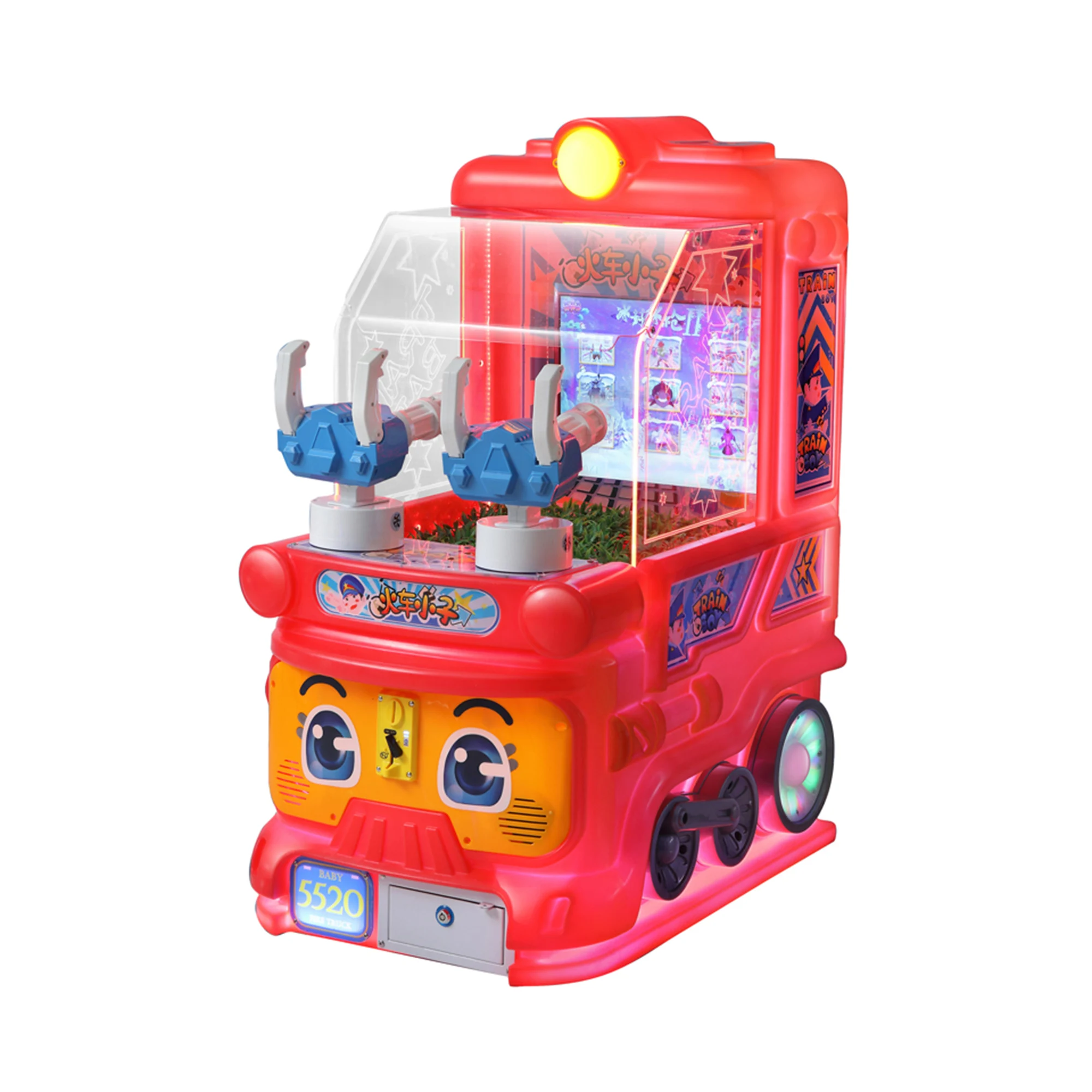
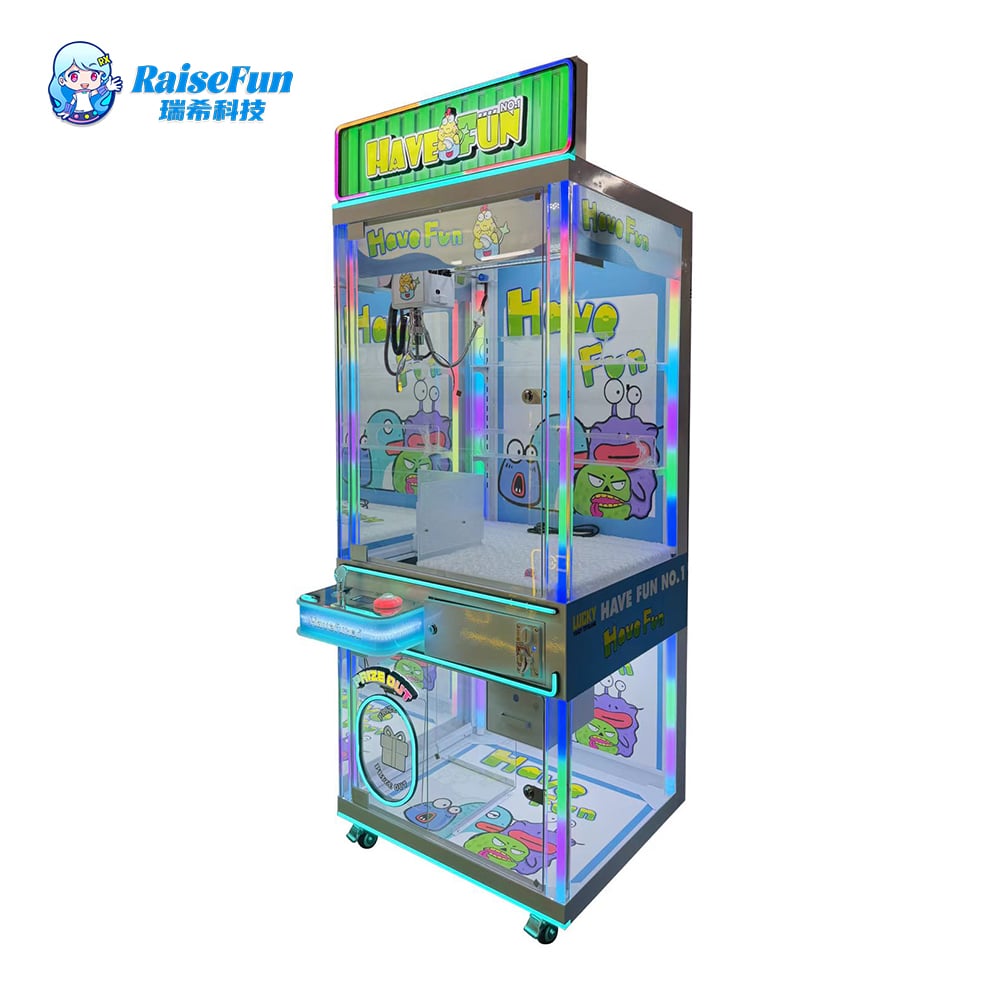
Getting the prize structure right makes all the difference for claw machine operators looking to boost both customer satisfaction and profits. Most folks want to grab something cheap first, like those $1 stuffed animals or dollar store trinkets, because winning often keeps them coming back for more rounds. On the flip side, having that fancy $20 gadget or limited edition collectible sitting on top really gets people trying harder to reach it. The numbers don't lie either - stores usually see better bottom lines when around three quarters of their prizes are these affordable options, leaving just enough room for those pricier items. There's actually some science behind why this works too. People get happy chemicals when they win little things regularly, but they also get hooked wanting that big prize they might miss if they stop playing. Smart business owners know this trick well. Take arcades near theme parks for instance, they stock up on Disney or Marvel stuff knowing families will spend extra trying to grab Mickey ears or superhero figures. RaiseFun’s one-stop venue solution aligns this tiered prize strategy with the entire space’s positioning, offering curated prize mix recommendations that complement other attractions—affordable trinkets for kids’ zones paired with high-value anchors near redemption counters, all backed by its global supply chain to balance cost and appeal.
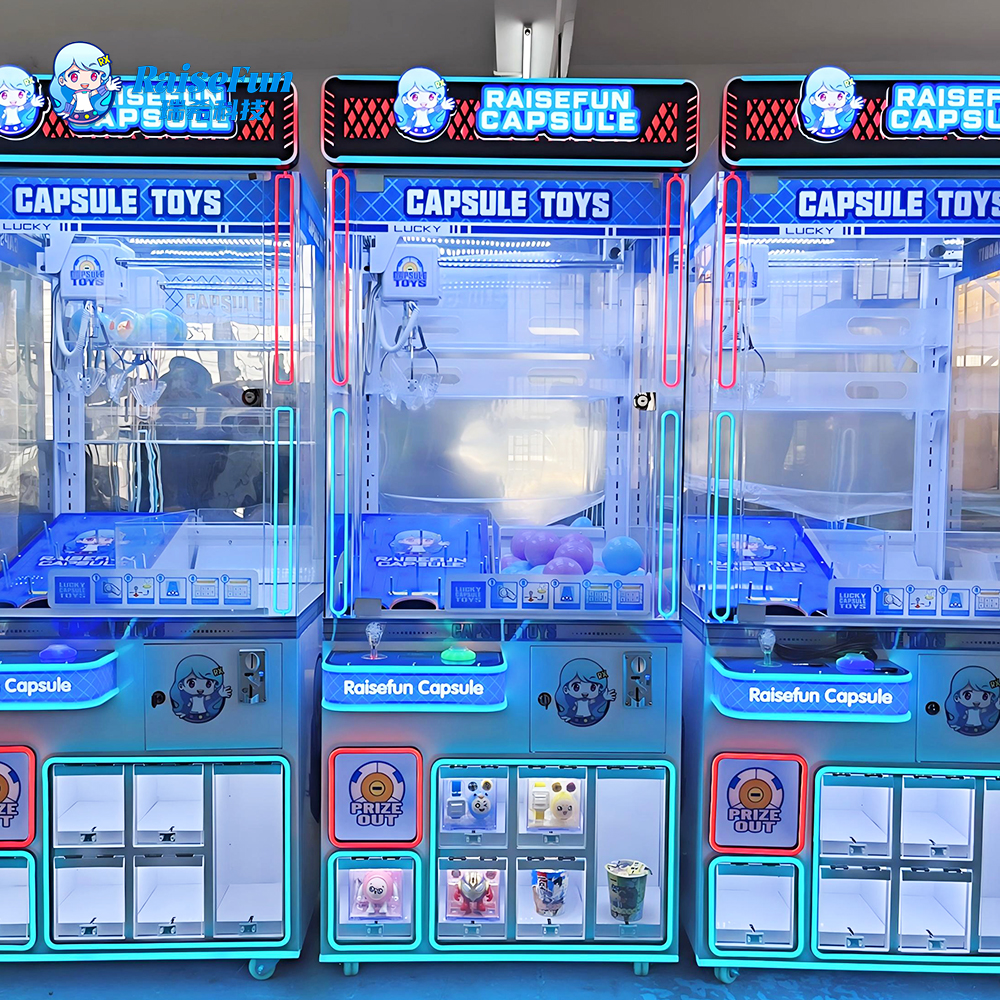
When arcades start offering licensed merchandise, they usually see their average revenue per user jump quite a bit because people think these items are worth more even though the costs don't go up much. Collectibles tied to popular movies, video games, or TV shows often sell for 30 to 50 percent more than regular stuff sitting on store shelves. Gamers will try around 2.3 times harder to win something they recognize and actually care about emotionally. Limited edition drops really get folks excited too, especially if there's a clock ticking down somewhere showing how many are left. One arcade in the Midwest reported boosting their ARPU by 22% once they started featuring animated characters from big name studios, all without spending extra money on inventory. Getting this right depends heavily on who walks through the door. Places targeting younger crowds do best with whatever is currently blowing up online, whereas family resorts and bigger FEC locations tend to make better profits sticking with timeless brands everyone knows.
The health of gross margins really hinges on how fast inventory turns over rather than just sitting there collecting dust. When certain prizes aren't selling well, they eat away at profits in multiple ways beyond just poor sales numbers. Storage costs pile up and cash gets tied up that could be used elsewhere. Good operators track which items are barely getting any action these days anything that averages less than four wins weekly needs attention. Sometimes this means slashing prices, moving them to better locations, or taking them off shelves altogether. On the flip side, when something flies off the shelves, especially during busy periods, smart businesses stock up every other week to avoid missing out on potential revenue. The best managers keep their gross margins between 35% and 50% by using clever software to predict when stock will run out. They time restocks around customer traffic patterns like making sure displays are fresh before weekends hit. Items that just don't move get pulled after about ten days max. Following this approach typically reduces inventory holding costs somewhere around 18% to 25%, all while keeping the prize selection feeling new and exciting enough to bring people back again and again.
Where something gets placed can really boost revenue, and the numbers back this up since not every busy spot works equally well. Food courts tend to keep people hanging around longer, about 15 to 25 minutes typically, which gives plenty of chances for folks to engage while they eat. The exit areas work great too because people often make last minute purchases when leaving. Around 68% of those final transactions happen right before someone walks out of a venue. Lines for rides or picking up tickets also present good opportunities. People get bored waiting and end up playing games more often. According to a recent study from Amusement Analytics in 2023, boredom actually makes someone 40% more likely to play. Looking at heat maps over time reveals these three spots consistently bring in 30 to 50% more money compared to regular hallways. Smart operators focus on places where things like hunger, the rush after visiting an attraction, or just getting tired of waiting come together with good visibility and convenient access points.
Getting the most revenue out of foot traffic means finding that balance between sheer numbers passing by and how long folks actually hang around. Places where hundreds of people zip through every hour tend to convert poorly since everyone's just rushing somewhere else. But those spots with decent but not overwhelming traffic flow, say around 200 to 350 people each hour, work wonders when visitors slow down for a few minutes. Think about areas near arcade seating or along the edges of lounges where people naturally pause. According to last year's FEC report, these kinds of locations see about a quarter more play attempts compared to busier thoroughfares. So what makes for perfect placement? It usually boils down to combining several factors that create this Goldilocks zone...
|
Metric |
High Value Threshold |
Conversion Impact |
|
Foot Traffic Density |
300–400 people/hour |
Baseline |
|
Average Dwell Time |
4+ minutes |
+22–30% lift |
|
Play Visibility |
Unobstructed sightlines |
+18% engagement |
Avoid transitional spaces where foot traffic flows uninterrupted. Instead, place machines where pauses occur naturally— and enhance dwell time further by clustering with complementary services (e.g., photo booths or snack kiosks), which extends engagement by 37%.
Advanced prize claw machine operators now treat each unit as a multi-channel revenue node—not just a coin slot.
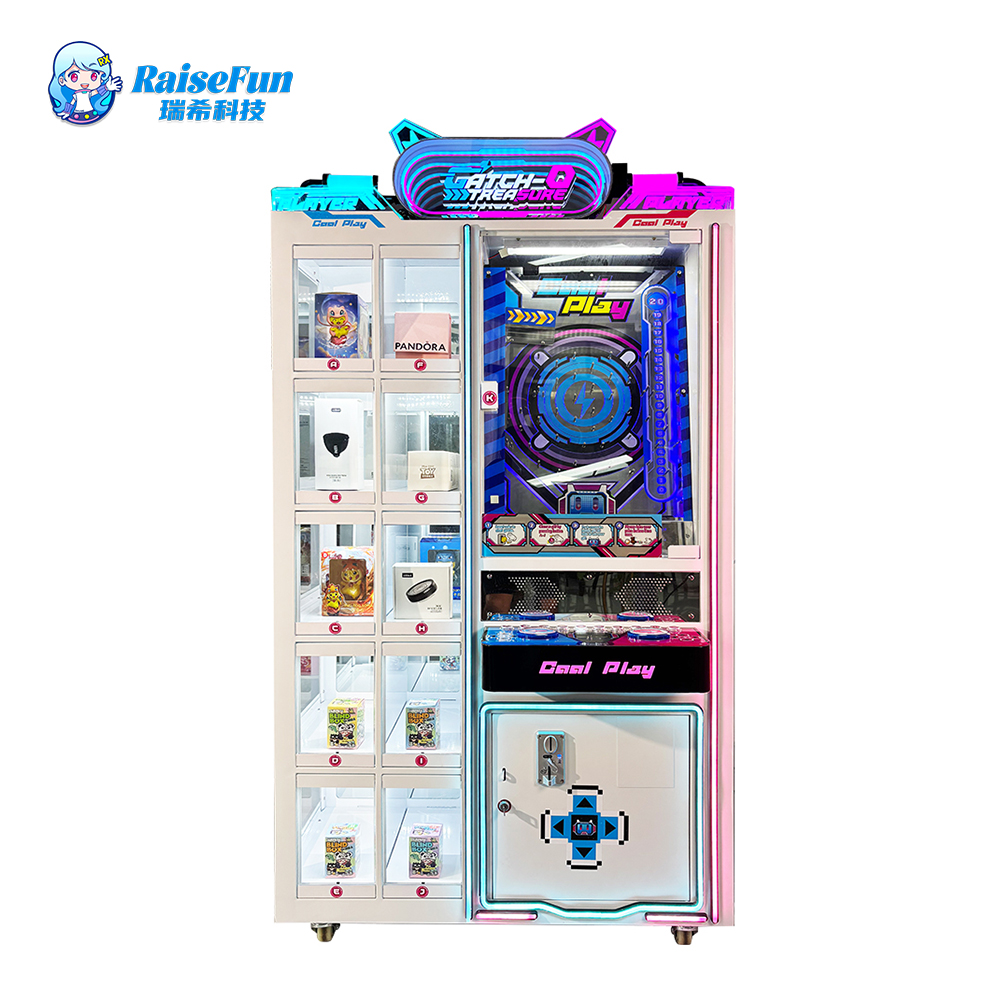
Modern systems support flexible, frictionless payment options that expand addressable users and capture incremental spend:
When businesses form brand partnerships, they turn their inventory purchases into something that keeps generating money over time. Companies in entertainment, toys, and media will frequently hand out branded prizes almost for free if it means getting their name out there alongside another brand. These deals usually work on a revenue share basis, which helps cover the costs of buying and shipping stuff while still bringing in steady cash flow even when foot traffic dips. The numbers back this up too business owners who've adopted this approach typically see their profit margins jump by around 22 percentage points compared to folks stuck with old school inventory buying methods.
Modern prize claw machines equipped with IoT technology have transformed from simple mechanical devices into smart, internet-connected money makers. Most successful units now feature sensors that keep track of what's inside, automatically sending alerts when popular items drop below 15% stock according to the latest amusement industry stats from 2023. Machine operators adjust how strong the claw grabs and how often people win throughout different times of day, which can boost earnings during busy hours by around 15 to 20 percent without making things feel unfair or frustrating for players. Payment information gets fed into systems that predict what prices work best, helping find the sweet spot between tokens and mobile payments. What really matters though is the ability to tweak machine difficulty remotely through the cloud. This lets managers change settings based on local factors such as how frequently people win, how long they stay near the machine, or average revenue per user, all while keeping profits steady and operations flexible without needing anyone to physically visit each location. RaiseFun’s smart venue management platform integrates claw machine IoT data with the entire venue’s operational system, enabling remote adjustments of difficulty and inventory alerts that sync with other attractions’ performance, ensuring real-time optimization of the entire space’s revenue.
 Hot News
Be the first to get our latest styles and offers.
Copyright © Guangzhou Ruixi Technology Co., Ltd.now All rights reserved - Privacy Policy

 EN
EN