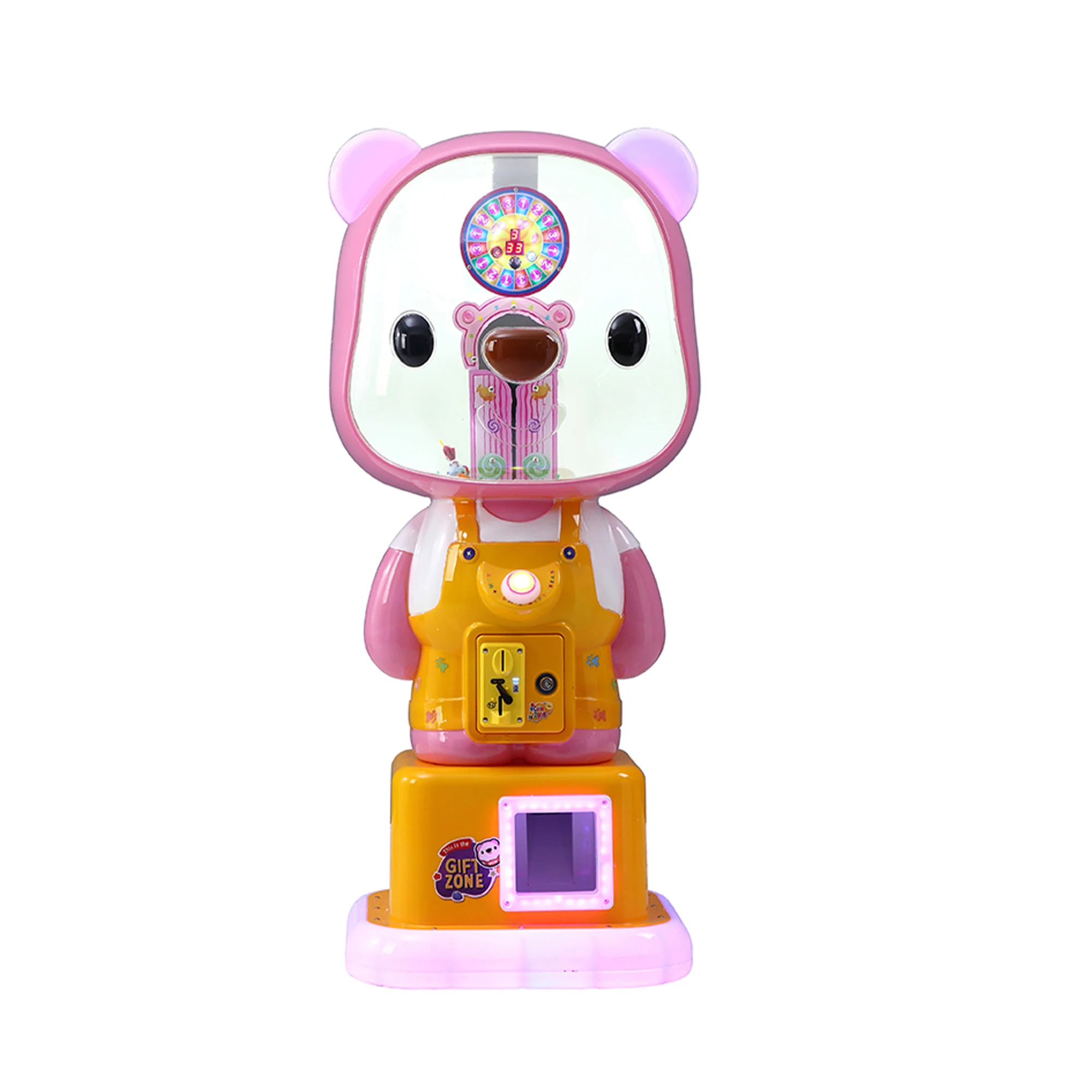
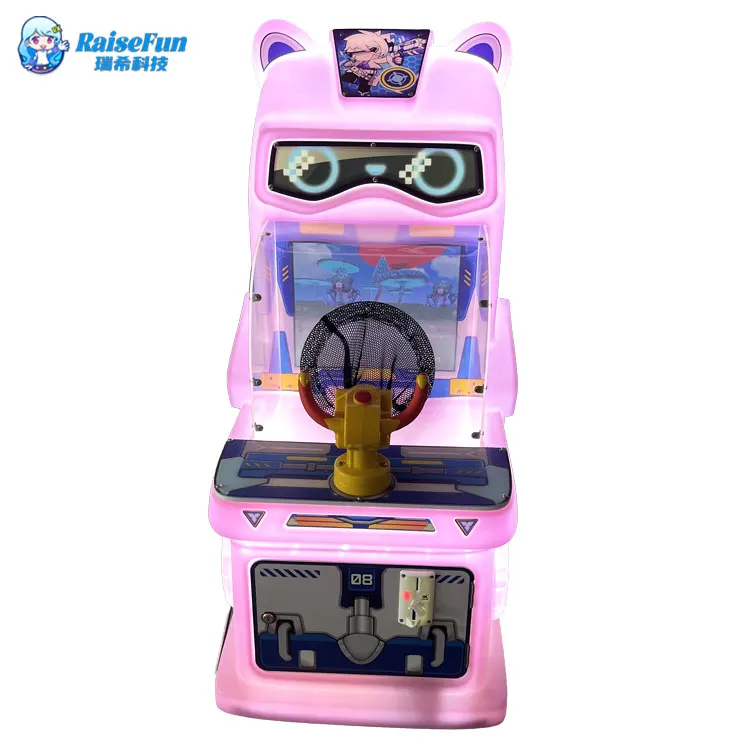
Vending game machines work best when placed strategically in high traffic spots. Airports really pick up during holidays for gift shopping. Studies from 2023 show around 42 percent of people buy flowers right before boarding their flights. Hospitals have steady business too, especially near the main entrance where folks want something quick but also private. The weekend crowd at shopping centers is all about impulse buys, particularly around movie theaters and food courts. People's reasons for buying gifts vary a lot across these places. At airports, it's mostly last minute stuff they need fast. Hospital visitors tend to look for meaningful arrangements though. Mall shoppers just want something nice feeling in the moment. To make this work, position fresh flower displays close to hospital waiting rooms or chapel areas. Airport security lines are prime real estate for bouquet machines, while mall concourses see good action too. RaiseFun’s one-stop venue solution aligns these vending game machines with the entire site’s ecosystem—placing flower vending units near high-traffic hubs that also connect to other attractions, such as pairing mall machines with redemption zones or family entertainment areas to drive cross-engagement.
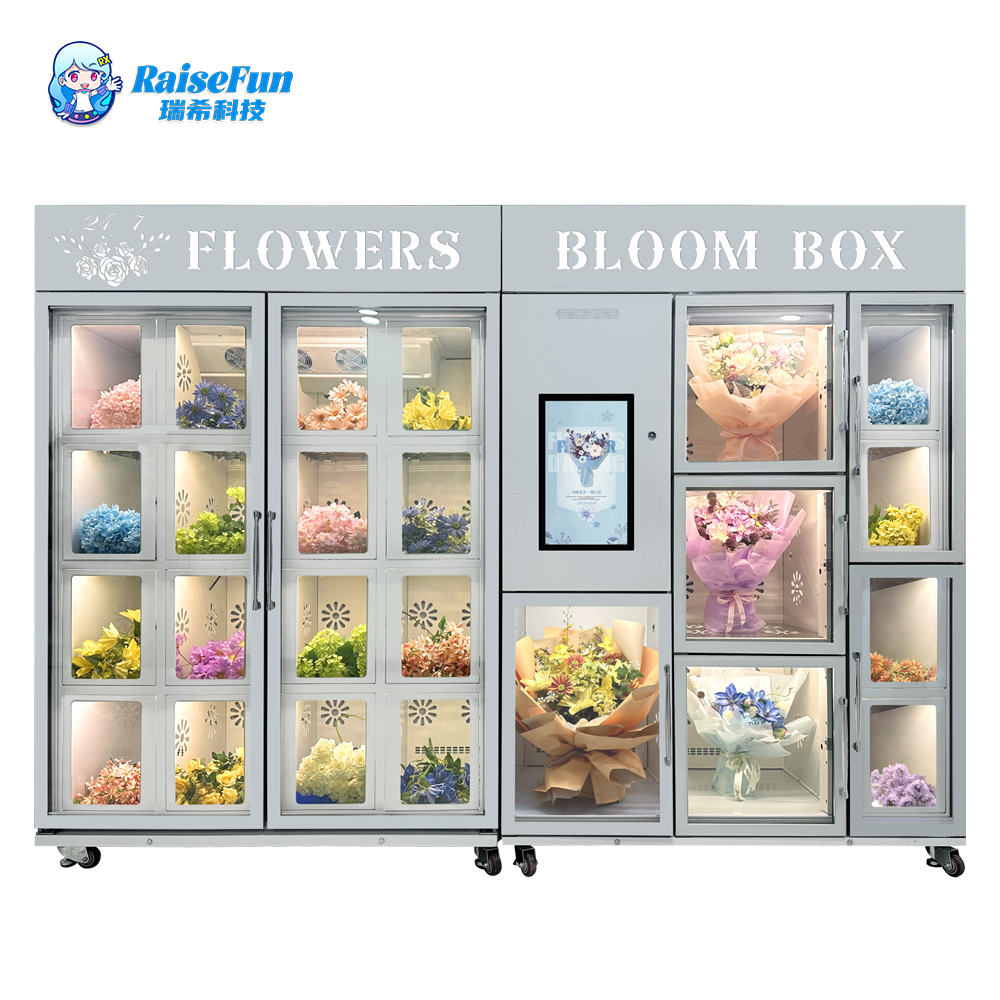
Fresh flower vending game machines rely on precise environmental control: continuous refrigeration at 2–4°C (36–39°F) and humidity above 80%. These systems consume roughly three times more power than standard models and require rigorous site validation, including:
Bouquets that don't need refrigeration come wrapped in special materials resistant to UV light and sealed against humidity. These wraps keep flowers fresh for around two weeks without any cooling required. That means they can be placed almost anywhere - think subway stations, outside plazas, even office lobbies where temperature control isn't possible. According to the latest Vending Industry Maintenance Report from 2024, more than half of all problems with refrigerated units actually start before installation because the electrical systems weren't properly prepared. So checking power loads before setting up these units has become absolutely critical for anyone dealing with flower displays.
The refrigerated fresh flower vending machines keep flowers cool between 1 and 3 degrees Celsius, which is about 34 to 38 degrees Fahrenheit. This helps preserve the cells in the flowers and makes them last around three days after someone takes them out. But there's not much time for these flowers to stay fresh, so operators face real challenges getting them restocked every day, needing special climate controlled spaces, and making sure electricity never goes out. When these machines don't have proper cooling, the flowers die much faster actually their vase life drops by as much as 64 percent. That's why putting these machines in places where temperature stays steady matters a lot. Corporate lobbies and hospital hallways work best because they already have controlled climates anyway.
According to recent studies, around two thirds of people actually care more about stem quality than colorful petals or nice smells when picking flowers from those fancy vending machines. The best stems are ones that bend a little but stay strong, which helps keep the flowers fresh longer. Bad stems? They just fall apart quicker, wilting about half as fast as good ones. Because of this preference, there's been growing interest in machines with big clear windows where customers can really see what they're getting before buying. Flower vendors who check stems first during restocking tend to throw away way less product (around 30% less) and build stronger relationships with their regulars. Plus, these machines with better visibility get noticed more often too, clocking in roughly 25-28% more interaction compared to the old style models with those dark glass fronts.
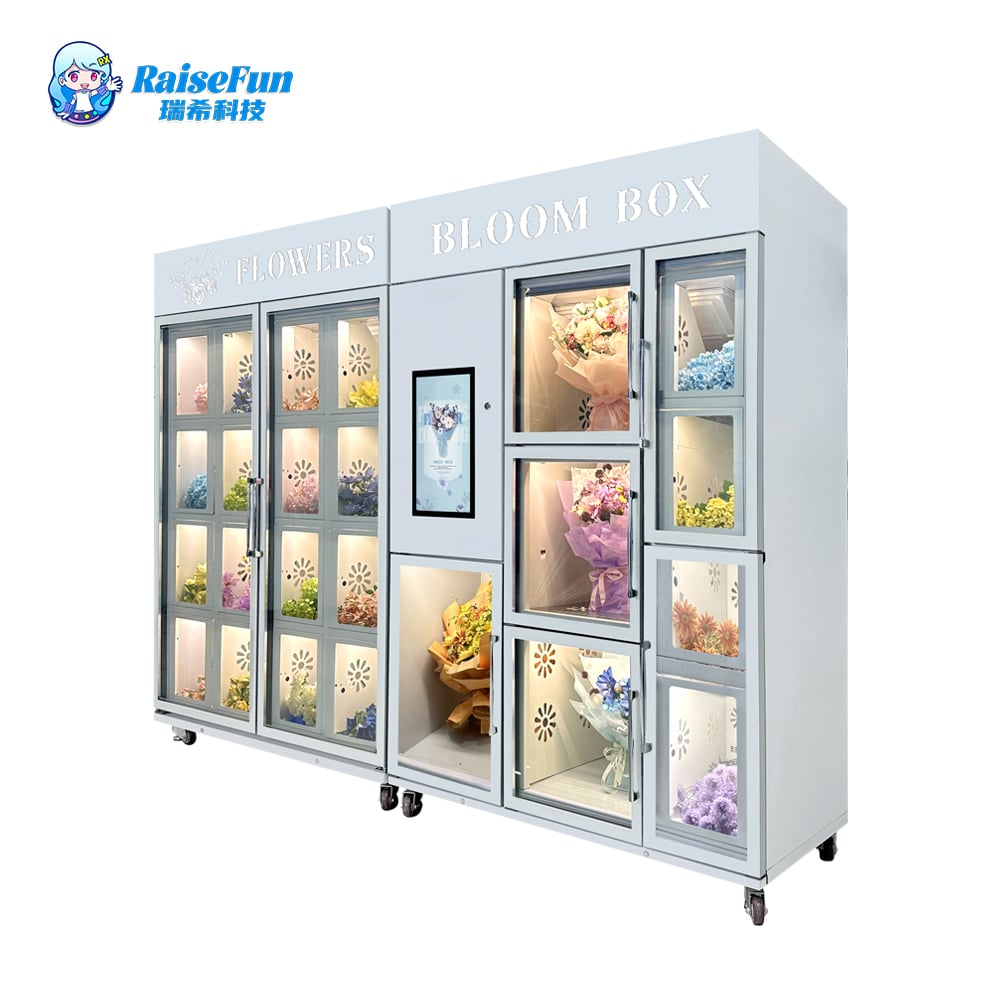
The bouquet vending machines work around the need for refrigeration thanks to their dual layer preservation system. The flowers come wrapped in special humidity seals that cut down on water loss compared to regular stems left exposed, somewhere around 40% less according to tests. Plus there are these UV resistant materials that stop almost all the damaging light from getting through, about 98% blocked if we're being exact. Put those two together and the flowers stay fresh for anywhere between 14 to 21 days just sitting there in normal room conditions. That opens up possibilities for placing them in places where traditional refrigerated units wouldn't work so well, like busy transit stations bathed in sunlight, open air plazas, or areas with limited power supply. Getting rid of those big compressors saves money too, cutting energy bills roughly 30% off what they would be otherwise. And without needing all that extra infrastructure, these machines can go pretty much anywhere with good foot traffic, whether it's in the middle of a bustling city or out in the suburbs where people pass by regularly.
The fresh flower vending machines need to be restocked every single day to avoid flowers going bad and losing money. This daily maintenance actually raises labor costs anywhere from 30% to maybe even 50% higher than what it costs to maintain bouquet units according to industry standards. On the flip side, those fancy humidity sealed systems allow pre-made bouquets to last two weeks between refills, cutting down machine downtime by around 80% in places where flowers really matter, such as hospital waiting rooms. When choosing which type of machine works best for their location, operators have to think about how things actually work on the ground. Daily restocking means dealing with refrigerated trucks and finding space for cold storage at the site itself. The bouquet system plays much better with current delivery networks though, making it easier to manage without disrupting regular operations too much.
Hybrid vending game machines integrate fresh and preserved floral options within a single footprint—delivering measurable operational and commercial advantages:
This model adapts dynamically to location-specific rhythms: during holiday surges, preserved inventory can temporarily occupy fresh compartments, avoiding idle capacity. No physical expansion is needed—only intelligent allocation of internal space and scheduling.
Location intelligence for vending game machines—from matching formats to foot traffic and infrastructure to optimizing operations—relies on integration into the venue’s broader ecosystem. RaiseFun, with 15 years of industry experience and 2000+ global successful cases, delivers this integration through its comprehensive one-stop venue solution.
RaiseFun doesn’t just supply fresh flower, bouquet, or hybrid vending game machines; it weaves them into a cohesive venue strategy that aligns with site-specific demand, infrastructure capabilities, and overall guest experience. From site assessment and infrastructure validation to operational logistics and product portfolio alignment, every service is designed to ensure vending game machines complement other attractions—redemption zones, family-friendly facilities, sport simulators—and contribute to the venue’s total revenue and customer loyalty.
Backed by AAA-level certifications, a 50+ R&D team, and 3-day rapid customization, RaiseFun empowers operators to leverage vending game machines as strategic assets, not standalone units. For global venue owners, RaiseFun’s one-stop solution proves that successful vending game machine placement and operation are about more than individual performance—it’s about creating a unified, efficient, and engaging space where every element works in harmony to drive sustained success. With RaiseFun, vending game machines become a seamless part of a thriving entertainment venue, enhancing both profitability and guest satisfaction across the entire site.
 Hot News
Be the first to get our latest styles and offers.
Copyright © Guangzhou Ruixi Technology Co., Ltd.now All rights reserved - Privacy Policy

 EN
EN