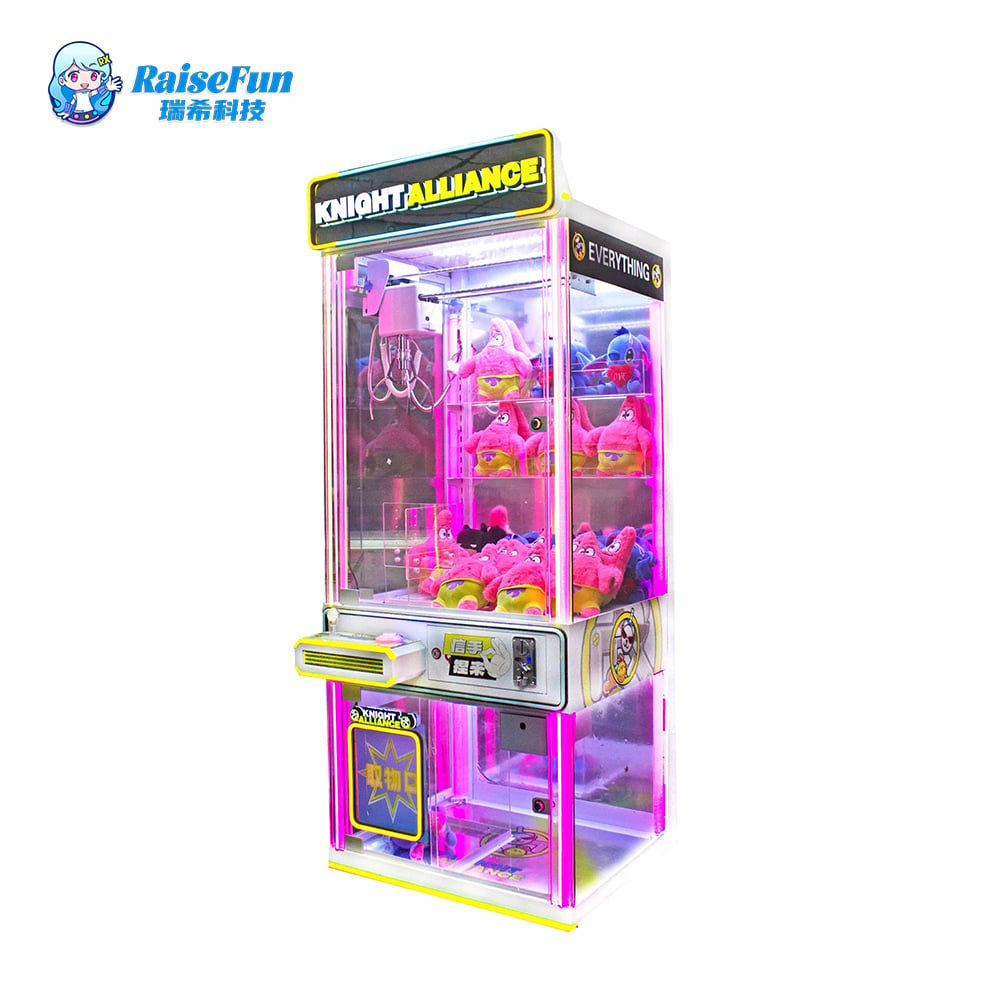
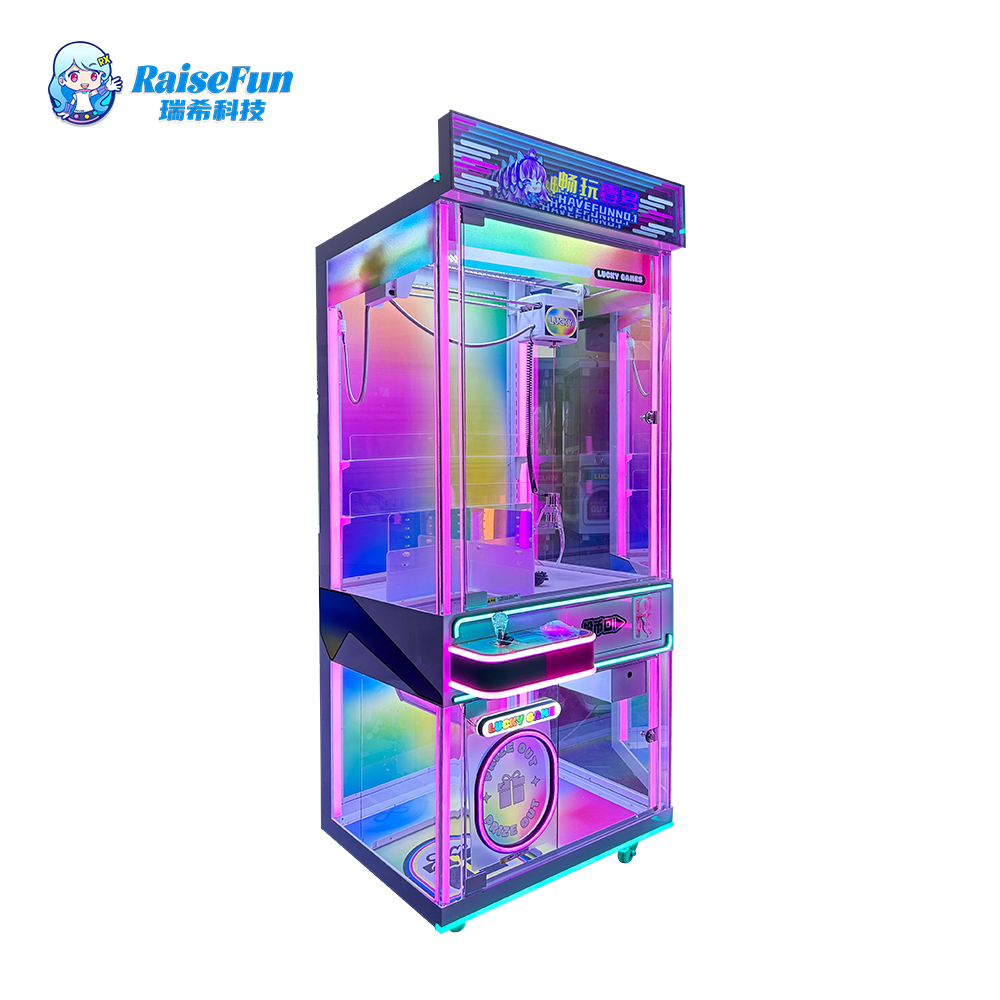
To figure out when they'll get their money back, operators usually take the initial cost of the machine (which ranges from around $3k to $15k) and divide it by what they make on each play after expenses. Let's say someone buys a $5,000 machine that charges players $1.50 for a shot at winning something. If they keep about 20 cents from every dollar made, they need somewhere close to 16 thousand plays just to cover their investment. That translates to about 11 months if people are playing about 50 times a day. But reality is messier than these calculations suggest. How fast operators actually recoup costs depends heavily on foot traffic, how much they spend on prizes, and where exactly the machine sits. Some lucky spots manage to get their money back within half a year because folks pass by so frequently. These hotspots tend to be placed smartly near busy areas such as food courts or building entrances where crowds naturally gather throughout the day.
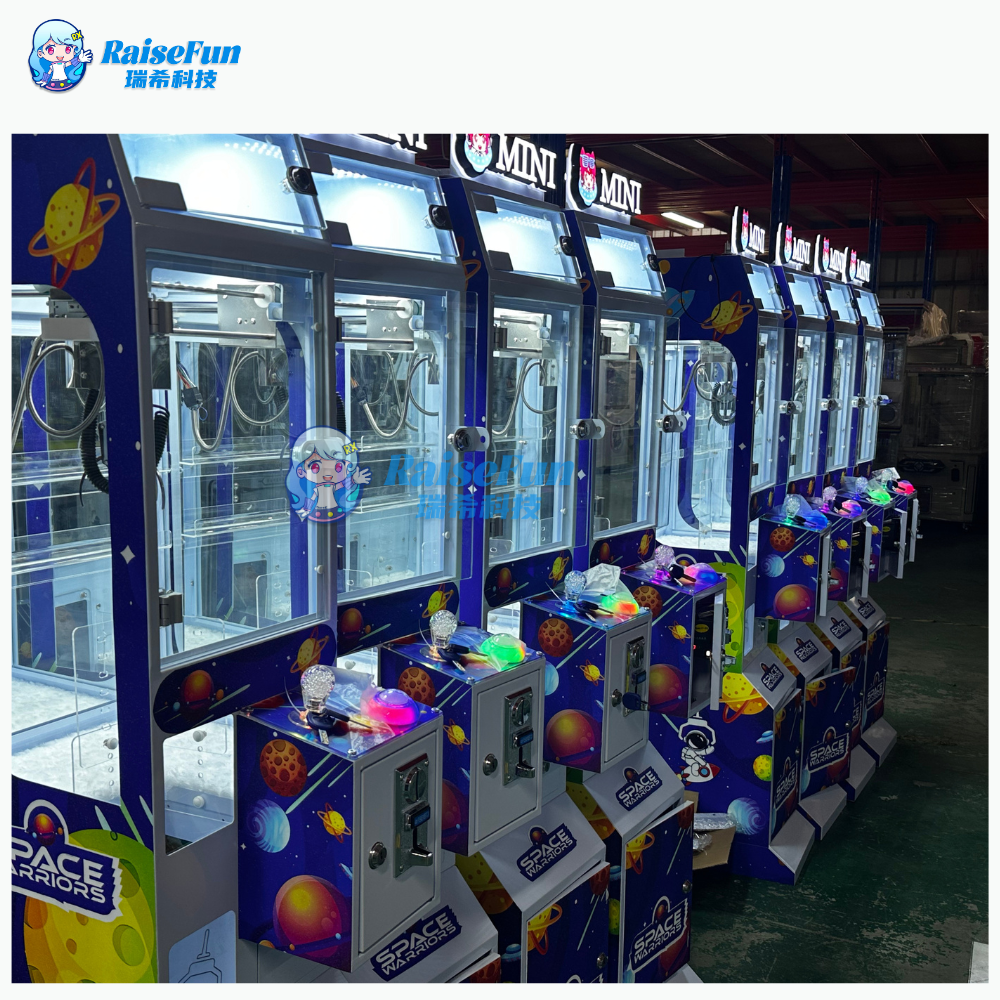
Three adjustable factors directly shape profitability:
| Lever | Profit Impact | Optimization Tip |
|---|---|---|
| Claw grip strength | Increases win perception; reduces prize costs when calibrated precisely | Set to deliver wins at a 1:12–1:20 ratio |
| Payout rate | Higher payouts attract players but raise COGS; balance via telemetry systems | Target a sustainable 15–25% win rate |
| Prize value | Premium items justify higher play prices ($2–$5) while keeping COGS below 30% | Source $0.50–$3 prizes in bulk |
IoT-enabled ATS (Automatic Transfer Switch) systems enable dynamic, traffic-responsive adjustments—boosting revenue by up to 18%. As the Ponemon Institute noted in its 2023 study, venues neglecting these levers face ROI delays averaging 23% longer than optimized peers.
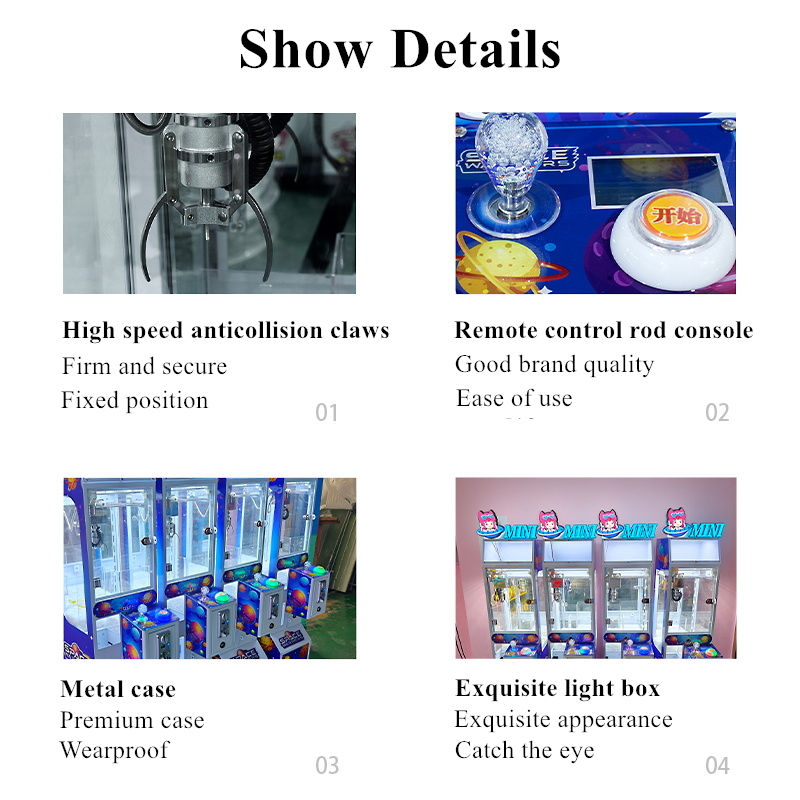
These days, claw machines are getting smart thanks to IoT tech that boosts how they operate. The real time monitoring tracks important stuff like when motors get too hot, how often people play, and what errors happen. This helps predict when parts might fail before they actually do, which means fewer breakdowns at around 30% less than before. Operators can adjust how strong the claw grabs and where it moves without having to be onsite, saving money on those expensive repair visits. Most arcades now have touch free payments through things like NFC tags, QR codes, or just waving a card near the reader. Venues report that these payment methods make folks play more often, somewhere between 18% to 25% increase based on their numbers. All this information gets pulled together into one dashboard view so managers can keep track of stock levels and compare how different machines perform against each other throughout their network.
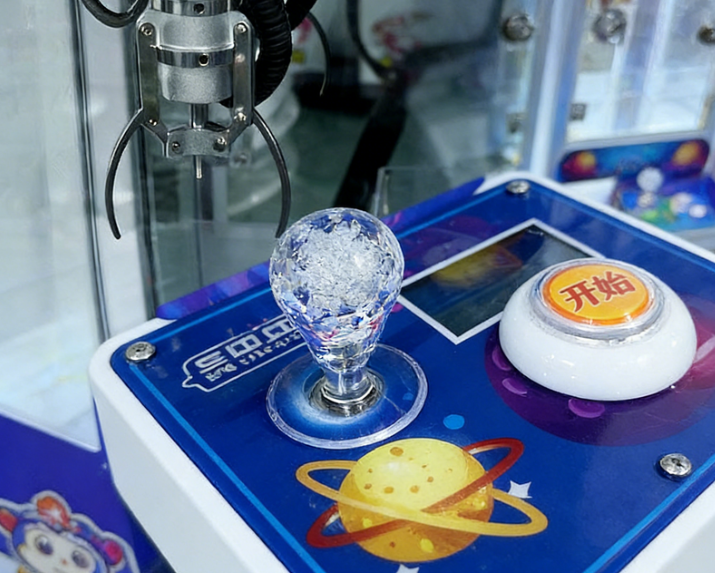
Keeping profits steady and players coming back depends heavily on being able to tweak things at multiple levels. When it comes to hardware, adjusting stuff like tension springs, changing out grip pads, or getting the mechanics aligned right sets the foundation for reliable operation and gives players that important physical feedback they expect. Software adds another layer of control though. Operators can program different win cycles, adjust difficulty over time based on when people are playing, and even change payout rates in real time. Smart casino managers mix traditional hardware setups with flexible software parameters. They run tests comparing different configurations to find just the right balance between keeping players engaged and maintaining healthy margins while still making sure nobody feels cheated by the system.
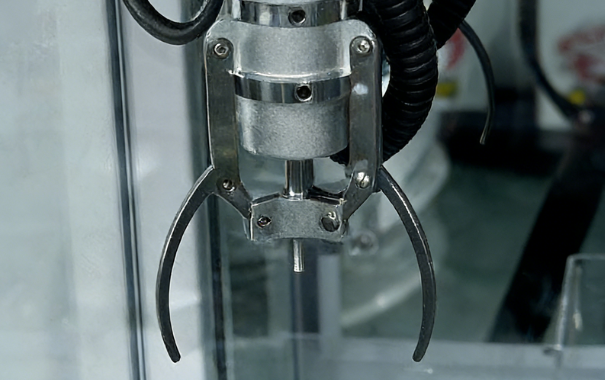
When it comes to keeping claw machines running smoothly, there are really just two main parts that matter most: the actual claw mechanism itself and the drive motor. The claw takes a beating every time it goes through those gripping motions, which is why alignment problems and gradual weakening of the grip strength happen so frequently in maintenance reports. Drive motors don't break down as much, but when they finally give out, fixing them becomes a real headache because taking everything apart is complicated and finding replacement parts can take ages. According to recent data from arcade maintenance logs in 2023, machines stuck with bad motors sit idle for around 40 percent more time compared to ones where only the claw needs attention.
| Component | Failure Frequency | Avg. Repair Time | Primary Failure Mode |
|---|---|---|---|
| Claw Mechanism | High | 1–2 hours | Misalignment, weakened grip |
| Drive Motor | Moderate | 3–5 hours | Bearing wear, overheating |
Consistent preventive care—weekly claw tension checks and monthly motor diagnostics—extends average machine lifespan beyond the industry-standard five years and slashes unexpected breakdowns by up to 60%.
Regular maintenance work like scheduled lubrication, checking sensors, verifying tensions, and replacing parts before they break keeps machines running around 90 percent of the time according to IndustryOps data from 2025. That means no interruptions when money is flowing in during busy periods. On the flip side, waiting until something breaks down usually leads to three to five days without operation right when demand is highest. This can slash monthly income by anywhere between 25 and 40 percent while also hurting customer confidence. Facilities that stick to proper maintenance schedules save about half their emergency repair costs and get two to three extra years out of their equipment. Considering machines typically bring in between two hundred and five hundred dollars every day when working properly, keeping them operational isn't merely about avoiding breakdowns it's actually one of the best ways to safeguard profits over time and build financial stability for the future.
The break-even time for a claw machine investment varies depending on several factors such as the purchase cost, play price, foot traffic, and prize expenses. On average, it could take around 11 months if the machine is played about 50 times a day.
Profitability is influenced by claw grip strength, payout rate, prize value, and the strategic location of the machine. Adjusting these factors can significantly impact revenue generation.
IoT technology enhances claw machines through real-time telemetry, remote calibration, and cashless payment integration, leading to reduced breakdowns and increased play frequency.
The common failure points are the claw mechanism and the drive motor. The claw mechanism often faces misalignment and weakened grip, while drive motors can experience bearing wear and overheating.
Preventive maintenance helps maintain uptime, reduces unexpected breakdowns, and extends the machine's lifespan. It ensures continuous operation during peak times, safeguarding revenue and customer confidence.
 Hot News
Be the first to get our latest styles and offers.
Copyright © Guangzhou Ruixi Technology Co., Ltd.now All rights reserved - Privacy Policy

 EN
EN