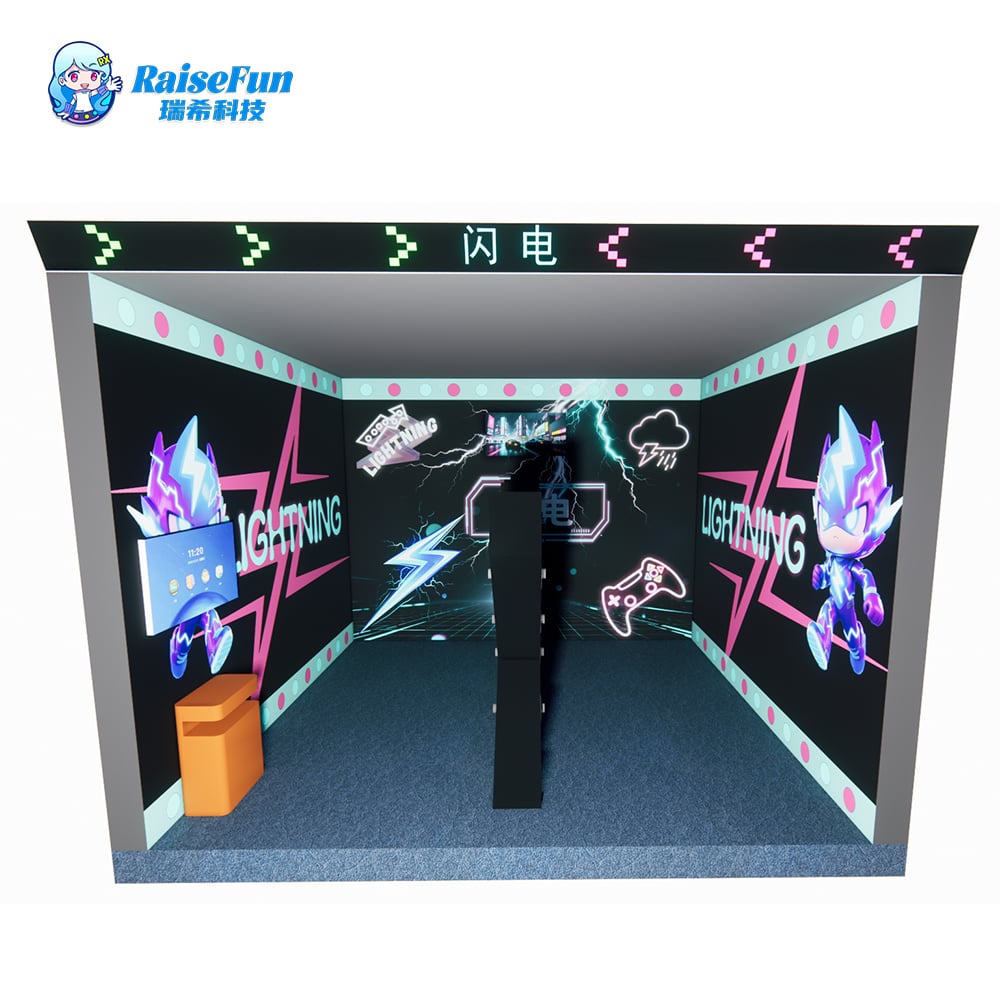
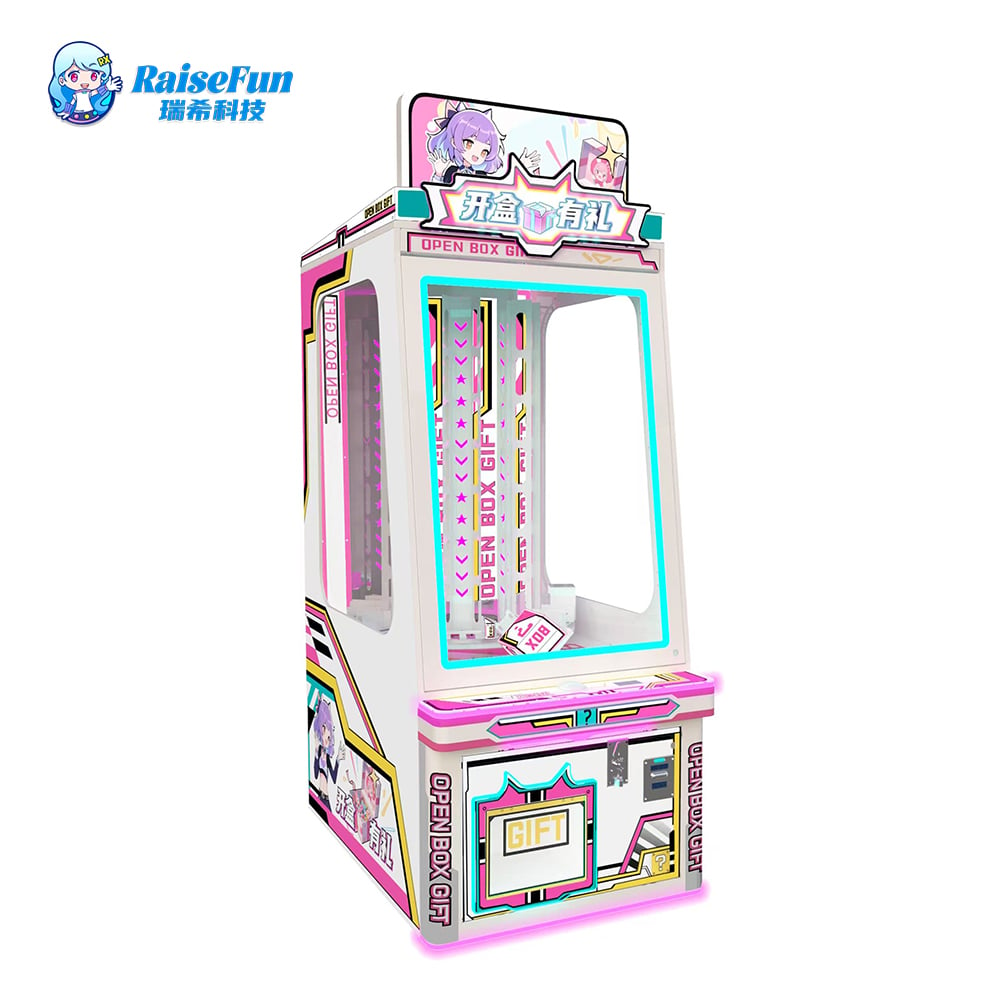
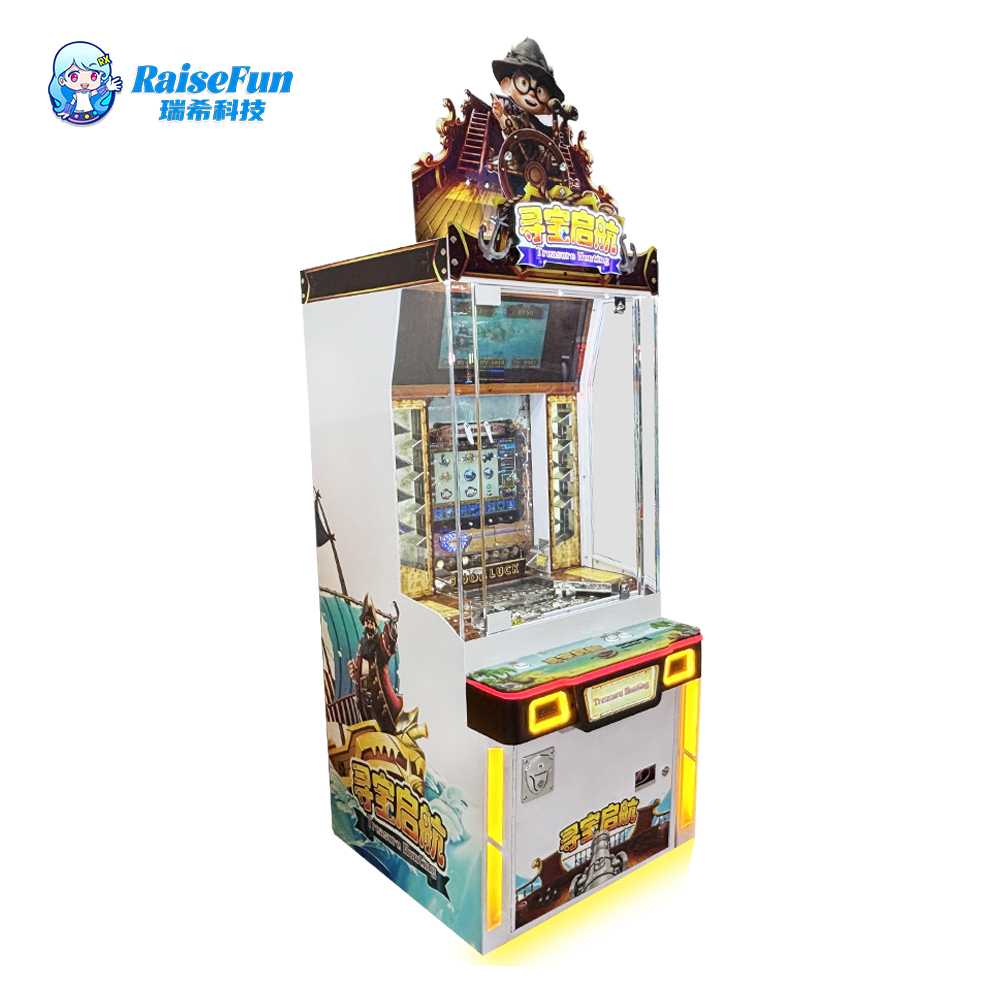
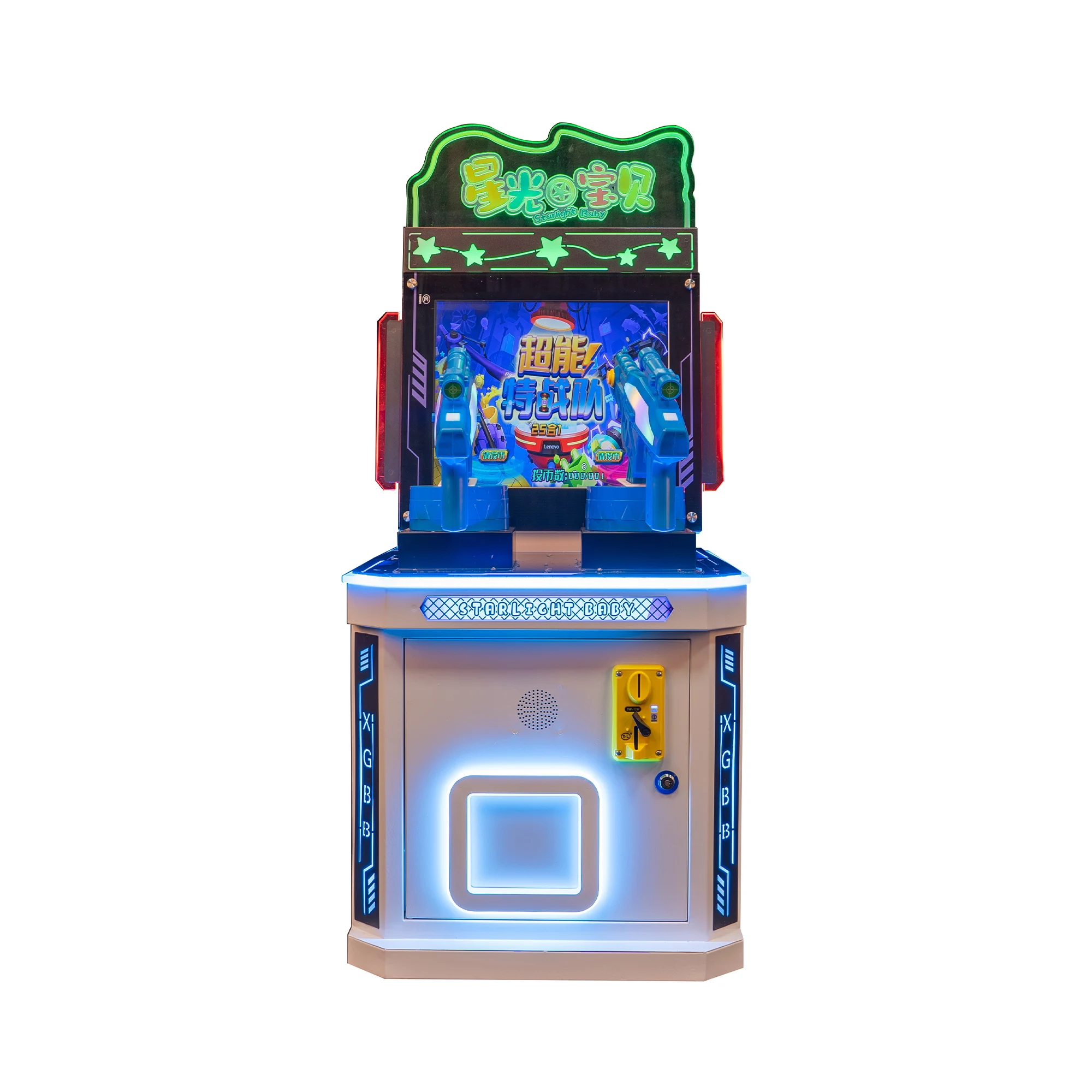
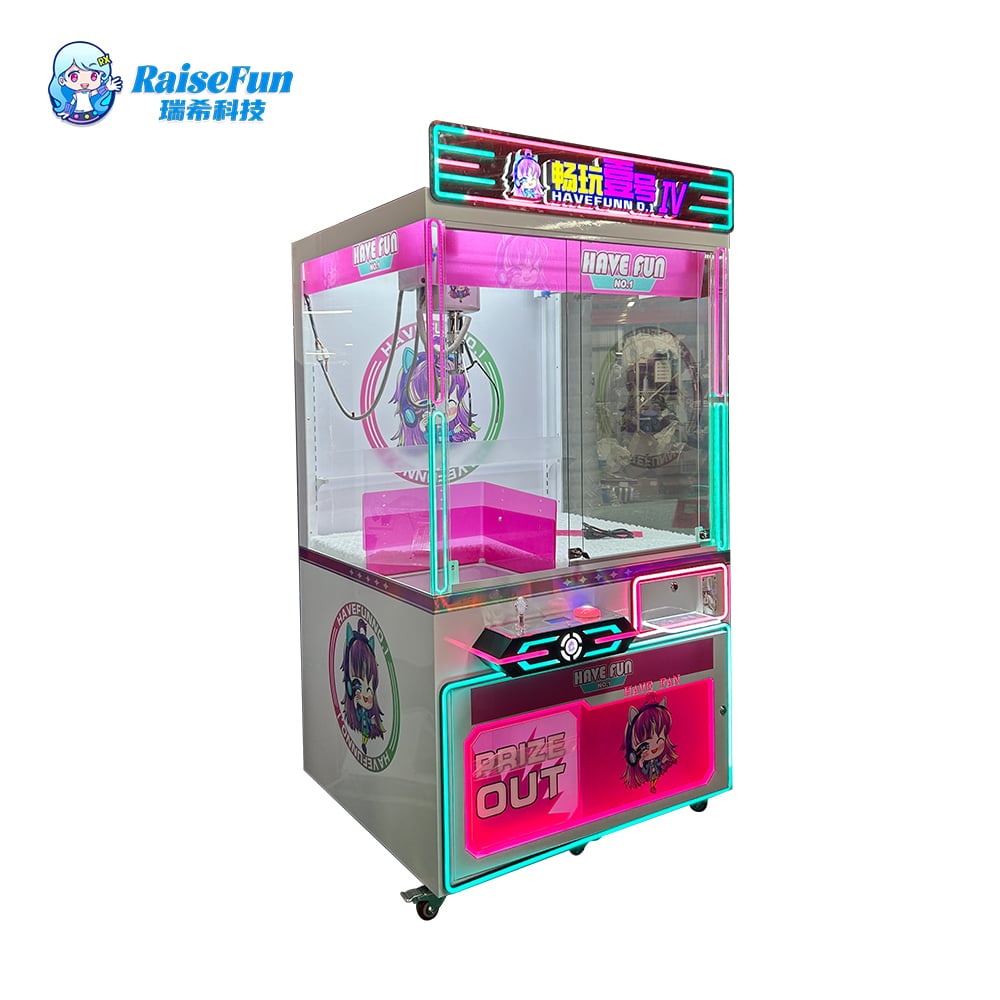
Arcade games are getting a major overhaul thanks to Virtual Reality (VR) and Augmented Reality (AR) tech that brings together physical action and digital experiences. According to the latest data from the 2024 Arcade Tech Report, around 72 percent of arcade owners are investing heavily in these new systems because kids today want something more hands-on than just touching screens. We're seeing all sorts of cool examples popping up everywhere these days. Take those VR racing simulators where players actually feel like they're behind the wheel, or claw machines enhanced with AR overlays that make grabbing prizes feel like a whole different game. The numbers back this up too - manufacturers tell us arcades using mixed reality setups have seen their profits jump by about 37% compared to regular old machines. Makes sense really, since people love when technology makes them feel part of the action rather than just watching it happen.
Modern motion platforms paired with haptic feedback suits create visceral experiences—like hurricane-force wind simulations in flying games or resistance treadmills for zombie escape scenarios. These systems leverage proprietary physics engines to synchronize 4D effects (vibration, tilt, airflow) with on-screen action, increasing average playtime by 22% in trial deployments.
Location-based VR arenas have demonstrated a 40% higher repeat-visit rate than standard arcades through persistent player profiles and multi-session story campaigns. One chain achieved 90% occupancy rates by combining arena-scale tracking (up to 12 players) with weekly narrative updates requiring collaborative problem-solving.
Social dynamics now drive 65% of VR arcade purchases, with shared objectives like co-op tower defense or competitive sports simulations outperforming solo titles. Developers are embedding voice modulation and gesture recognition to enable real-time roleplay—critical for escape rooms and fantasy RPGs where team communication impacts outcomes.
While promising, high hardware costs ($28k per station avg.) and 15–20% monthly maintenance demands limit smaller venues. Sanitization protocols for shared headsets and latency issues in wireless haptic systems remain unresolved barriers. Manufacturers are testing disposable facemask liners and sub-6ms latency gloves to address these concerns through 2025.
Arcade game designers are now using generative AI to build NPCs that actually respond to what players do as they play. The AI looks at how people interact with games over time, then creates conversations and story paths that match different ways folks play. What's really cool is that this cuts down on the time developers spend crafting stories by around 40 percent. Plus it lets arcades keep changing up their content endlessly, which matters a lot when places get crowded with regulars who want something new every visit. For business owners running busy locations, having constantly fresh material means customers stay interested longer without feeling stuck repeating the same old stuff.
Operators deploy AI-powered prize cranes that adjust grip strength and reward timing based on crowd density and player demographics. Reinforcement learning models analyze over 500 gameplay sessions hourly to balance payout fairness with profitability. This system increases player retention by 22% compared to static mechanical setups (Amusement Industry Analysis 2026).
New arcade cabinets integrate computer vision and natural language processing to maintain safe multiplayer environments. AI moderators detect toxic behavior patterns 0.8 seconds faster than human staff while tailoring difficulty curves to group skill levels. The technology personalizes audio commentary and achievement unlocks, creating individualized experiences within shared gameplay spaces.
The world of arcade game design keeps changing fast thanks to new hardware that brings together physical interaction and digital experiences. These days, many cabinets come with two screens - one big screen for actual gameplay and another smaller touchscreen where players can manage their inventory or team up with others. Motion bases have become pretty common too. The platforms inside these machines tilt around 15 degrees to give players that real feel of crashing into walls during races or feeling turbulence when flying through virtual skies. A recent look at player preferences from last year found that nearly three quarters of gamers actually prefer these motion enhanced cabinets over regular ones. Lighting has gotten really cool too with LEDs everywhere. When fighting bosses in games, the lights underneath the cabinet change colors to match the action, and those colorful strips along the edges flash along with the beat in music games. Cabinets equipped with sensors make all the difference too. Pressure sensitive controls respond better to how hard someone pushes them, and infrared tech lets players interact with games using hand gestures. Gamers report being much happier overall with these advanced features, with satisfaction ratings jumping about 40% compared to older models.
Modern gaming systems go way beyond just what we see and move around these days. They actually use advanced haptic technology across multiple axes to create sensations of different textures, weights, and impacts. Take racing simulators for instance they stick those little vibration motors right into the steering wheel so players can feel every bump on gravel roads or even when their tires start sliding on wet pavement. Shooters have gotten pretty clever too, adding specific vibrations to gun controllers that make it feel like shooting back at enemies with real kick. The environment itself becomes part of the experience too. Some setups blow air through special modules to create realistic wind effects during high speed scenes, while others warm up briefly whenever there's an explosion happening nearby. According to research from last year, gamers spend about 30 percent longer playing games that combine all these physical feedback elements together rather than sticking with regular setups. Makes sense really when our brains get more invested when multiple senses are working in harmony.
Arcade game design in 2025 prioritizes shared experiences, with developers leveraging real-time collaboration and competitive frameworks to build communities.
Modern systems emphasize synchronized action sequences, such as cooperative boss battles or puzzle-solving scenarios requiring split-second coordination. These mechanics foster player interdependence, with haptic feedback and voice chat enhancing group strategy execution.
Public rankings and seasonal events now dominate arcade reward systems. Research from gamification studies shows tournaments increase repeat play rates by 40% compared to standalone games, as players strive for visible milestones like regional championships or skill-tier promotions.
Games now integrate "trust mechanics," where teams share limited resources or abilities, forcing communication. This design strengthens player bonds, with social gaming platforms reporting 30% higher retention when cooperative challenges require role specialization (e.g., healer, scout, builder).
Unified player profiles allow achievements in arcade shooters to unlock mobile minigames, creating incentive loops. A racing game might award home-system customization tokens for arcade lap records, blending physical and digital engagement.
When home gaming systems start merging with traditional arcade setups, players' expectations are changing fast. These days, most platforms let folks move their game progress between different places. Someone might spend hours mastering a racing simulator at home, then jump into an arcade cabinet with those fancy motion controls and still see all their stats carry over. The system works because of these shared login codes that check if someone actually earned those rewards through real gameplay. According to market research from last year, around two thirds of arcade owners noticed more customers coming in once they connected their systems with home consoles. Game makers are catching on too, building titles that work differently depending on where they're played. Some games will simplify controls for living room play but unlock full features when used with those big arcade machines, including those crazy 360 degree treadmills that make players feel like they're really running through virtual worlds.
The cloud-based identity systems now available can follow a player's progress across different arcade games and their mobile app versions too. Players collect virtual money when they win tokens at arcades, which they can then spend on cool character outfits or get entry into special tournaments. The game gets smarter as people play at home - it looks at how well someone does during practice sessions and changes the challenge level accordingly, but still keeps things balanced so everyone has a fair shot. According to some research from GameTech Analytics last year, places that implemented these kinds of loyalty programs where devices work together had around 42 percent more regular customers each month than those sticking with old fashioned single system approaches.
 Hot News
Be the first to get our latest styles and offers.
Copyright © Guangzhou Ruixi Technology Co., Ltd.now All rights reserved - Privacy Policy

 EN
EN