
 EN
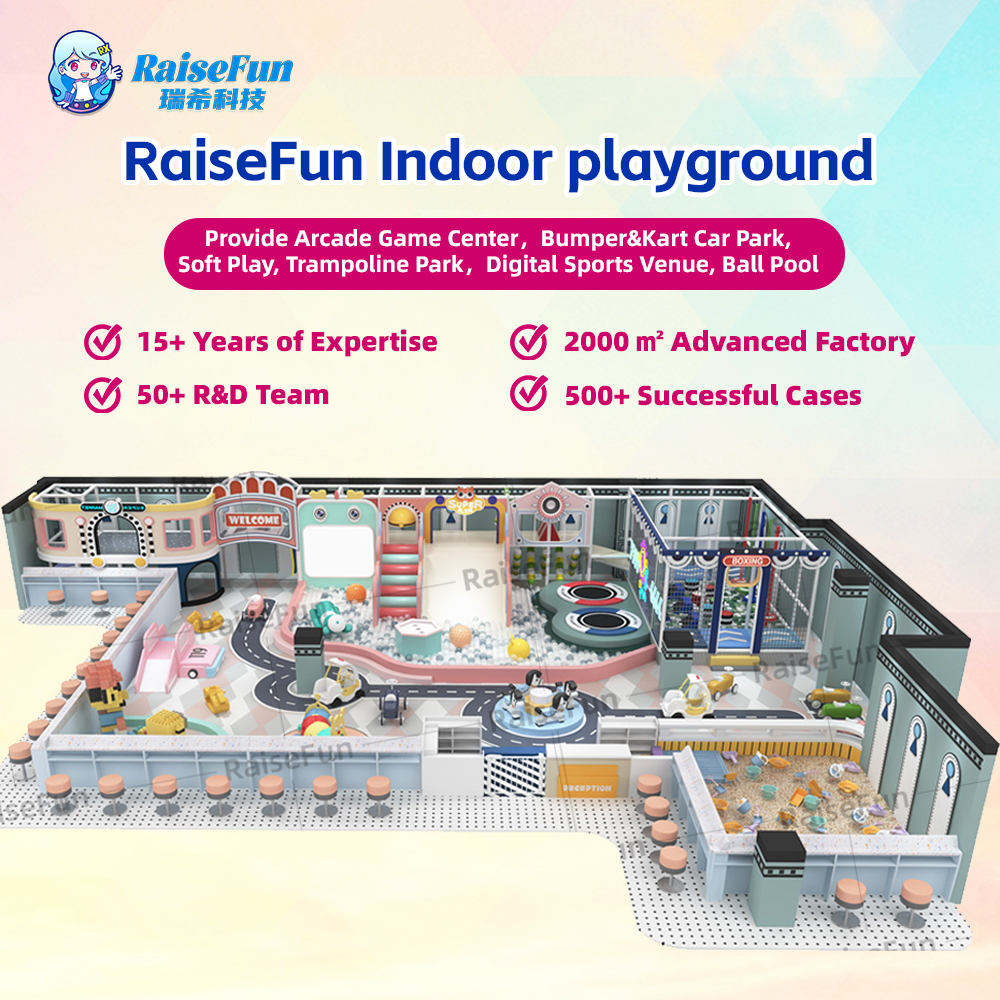
Choosing the right gaming environment for your venue requires more than just selecting games. The physical arrangement and design of your space directly influence customer experience, engagement, and revenue. Custom arcade layouts represent a strategic investment that aligns game placement, traffic flow, and brand identity. Understanding whether custom arcade layouts suit your business model is essential before committing resources to redesign or renovation.
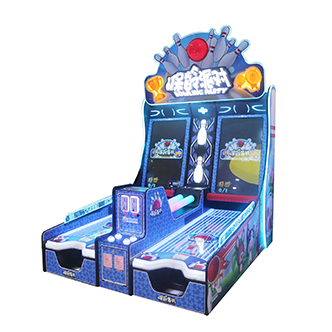
Custom arcade layouts go beyond default game placement. They integrate your brand vision, operational workflow, and guest journey into a cohesive physical space. Whether you operate a family entertainment center, a sports bar with gaming, or a dedicated arcade venue, the question of implementing custom arcade layouts demands careful evaluation of your business model, venue size, budget constraints, and long-term growth strategy.
Assessing Your Venue and Business Model
Understanding Your Space and Operational Goals
Before committing to custom arcade layouts, evaluate your current venue specifications and operational priorities. The dimensions of your space, traffic patterns, customer demographics, and revenue streams all influence whether custom arcade layouts will deliver measurable business impact. A venue with limited square footage may require different custom arcade layouts than a large entertainment complex. Understanding your specific operational constraints helps determine if custom arcade layouts justify the investment in design, installation, and potential downtime.
Your business model shapes how custom arcade layouts function within your venue. A high-volume quick-service venue may prioritize throughput and efficient player rotation, requiring custom arcade layouts that minimize congestion. A premium entertainment destination might use custom arcade layouts to create themed zones and enhanced social experiences. Identify which operational metrics matter most to your business, then assess whether custom arcade layouts directly support those goals through improved space utilization or enhanced player engagement.
Customer Demographics and Experience Expectations
The composition of your target audience influences the effectiveness of custom arcade layouts within your venue. Families with young children benefit from custom arcade layouts that separate skill-level appropriate games and create supervised play zones. Adult-focused venues may prioritize custom arcade layouts that emphasize premium or competitive titles with sightlines that encourage spectating and social interaction. Tournament operators rely on custom arcade layouts that support organized play and clear viewing areas for competitors and audiences.
Custom arcade layouts should reflect how your specific audience expects to navigate and experience gaming entertainment. Survey your existing customer base about preferred game types, spacing preferences, and environmental factors that enhance their visits. This insight directly informs whether custom arcade layouts will genuinely improve satisfaction or represent unnecessary operational complexity. Understanding customer expectations transforms custom arcade layouts from a generic optimization into a targeted revenue and retention tool.
Design Principles and Revenue Impact
Optimizing Layout Strategy for Player Flow and Spending
Effective custom arcade layouts balance multiple objectives simultaneously. Player flow efficiency reduces bottlenecks and keeps customers engaged throughout their visit. Strategic game placement guides players through high-revenue machines and encourages exploration of underutilized titles. Custom arcade layouts that integrate food and beverage stations within natural traffic patterns increase ancillary spending without creating congestion. These design principles transform custom arcade layouts from aesthetic decisions into operational and financial levers.
Revenue-focused custom arcade layouts consider sight lines, machine proximity, and sensory appeal. High-performing games benefit from prominent placement in custom arcade layouts where players encounter them early and often. Newer or niche titles positioned alongside established favorites through thoughtful custom arcade layouts increase trial rates and engagement diversity. Redemption machines, prize displays, and premium cabinets gain visibility and usage through deliberate positioning within custom arcade layouts that respect natural customer navigation patterns.
Brand Integration and Themed Environments
Custom arcade layouts create opportunities for brand storytelling and environmental differentiation. Themed zones within custom arcade layouts establish distinct experiences that justify premium pricing or extended visit duration. Sports bars leverage custom arcade layouts to cluster sports betting and skill games that appeal to their customer base. Entertainment venues use custom arcade layouts to create Instagram-worthy environments that encourage social media sharing and word-of-mouth marketing.
Cohesive custom arcade layouts reinforce your venue's positioning and competitive differentiation in a crowded market. Consistency in lighting, signage, and layout logic across themed zones within custom arcade layouts strengthens brand recognition and customer loyalty. The physical environment communicates quality, modernity, and care through intentional custom arcade layouts. This environmental messaging becomes part of your customer value proposition and justifies repeat visits and higher spending.
Implementation Challenges and Financial Considerations
Investment Requirements and Implementation Timeline
Transitioning to custom arcade layouts requires careful financial and operational planning. Layout redesign involves design consultation, floor modifications, utility infrastructure work, and equipment repositioning. The implementation timeline for custom arcade layouts may span weeks or months depending on venue size and complexity, creating potential revenue disruption. Budget constraints may limit your ability to implement comprehensive custom arcade layouts simultaneously, requiring phased implementation strategies that maintain operational continuity while gradually achieving your design vision.
Financial analysis of custom arcade layouts must include direct costs such as design fees, construction, electrical work, and equipment relocation. Indirect costs include lost revenue during renovation, staff training for new layouts, and potential customer confusion during transition periods. Return on investment for custom arcade layouts depends on accurately forecasting how layout improvements will influence player engagement, session duration, and spending patterns. Conservative financial projections for custom arcade layouts help ensure the investment aligns with your profitability targets and business capacity.
Operational Complexity and Staff Adaptation
Implementing custom arcade layouts introduces operational complexity that extends beyond initial installation. Staff training becomes necessary to help customers navigate new layouts and understand new game zones. Maintenance procedures may require adjustment as custom arcade layouts change utility access points and service pathways. Ongoing management of custom arcade layouts includes monitoring player behavior, identifying underperforming positions, and making iterative adjustments based on real-world usage patterns.
Long-term success with custom arcade layouts depends on your team's capability to support and optimize the new environment. Venues lacking strong operational discipline or adequate staffing may struggle to realize the full benefits that thoughtful custom arcade layouts promise. Realistic assessment of your operational maturity helps determine whether custom arcade layouts represent a timely investment or whether operational foundations require strengthening first. The best custom arcade layouts fail when staff cannot effectively manage, maintain, or communicate the new environment to customers.
Strategic Decision Framework for Your Business
When Custom Arcade Layouts Deliver Maximum Value
Custom arcade layouts become strategic priorities for venues experiencing specific performance challenges. If your current layout creates bottlenecks or underutilizes valuable floor space, custom arcade layouts can directly address these inefficiencies. Venues struggling with brand differentiation or competing against larger establishments benefit from custom arcade layouts that create unique experiences. Expanding venues adding new games or services need custom arcade layouts to integrate new offerings seamlessly. Venues with clear customer insights and defined growth strategies gain the most value from custom arcade layouts designed around those strategic objectives.
Custom arcade layouts also serve venues targeting premium positioning or specific customer segments. High-end entertainment venues justify custom arcade layouts through enhanced guest experiences and justified premium pricing. Tournament venues, competitive gaming facilities, and esports centers leverage custom arcade layouts to support specific competitive requirements and viewing configurations. The more clearly your business strategy identifies how environment shapes customer experience and revenue, the stronger the case for investing in professional custom arcade layouts.
Conditions Favoring Cautious or Delayed Implementation
Some venues benefit from delaying custom arcade layouts until operational and financial conditions strengthen. New venues should stabilize operations and gather performance data before investing in comprehensive layout redesigns. Venues with inconsistent customer demographics or unclear strategic direction risk implementing custom arcade layouts misaligned with actual customer needs. Limited-budget venues may achieve better returns from game selection optimization before investing in layout redesign.
Venues experiencing financial pressure or operational chaos should resolve these fundamental issues before pursuing custom arcade layouts. custom arcade layouts amplify the impact of well-run venues but cannot compensate for underlying operational or strategic deficiencies. Honest assessment of your readiness for change helps ensure custom arcade layouts represent thoughtful investment rather than reactive spending. Timing matters significantly in determining whether custom arcade layouts accelerate growth or create unnecessary complexity during critical business phases.
FAQ
How do custom arcade layouts improve customer engagement and spending?
Thoughtfully designed custom arcade layouts improve engagement by reducing friction in the customer journey and strategically guiding players toward high-revenue experiences. By positioning popular games prominently, creating themed zones, and integrating food service locations within natural traffic patterns, custom arcade layouts encourage longer visits and higher spending. Clear sightlines and logical navigation prevent customer frustration while optimizing opportunities for players to discover new games and services they might otherwise miss.
What is the typical timeframe and budget for implementing custom arcade layouts?
Implementation timeframe for custom arcade layouts varies widely based on venue size and complexity, typically ranging from two weeks to three months for substantial redesigns. Budget requirements depend on design consultation fees, construction work, electrical infrastructure modifications, equipment relocation, and signage installation. Small-scale custom arcade layouts might require five thousand to fifteen thousand dollars, while comprehensive venue redesigns can exceed one hundred thousand dollars. Professional cost estimates during the planning phase help ensure custom arcade layouts fit within your financial capacity and business budget allocations.
How can venues test whether custom arcade layouts will work before full implementation?
Test custom arcade layouts using temporary configurations or phased pilots in specific venue sections before committing to comprehensive redesigns. Rearrange existing games in a smaller area to observe how layout changes influence customer behavior and spending patterns. Gather staff and customer feedback about navigation, sightlines, and overall experience during pilot phases. This low-risk approach to testing custom arcade layouts provides real data about impact without the full financial commitment of permanent renovation, allowing you to refine your design strategy before scaling implementation across your entire venue.