How well flowers last on store shelves really depends on temperature and humidity control in those automated retail setups. When flowers sit above 40 degrees Fahrenheit (that's about 4 Celsius), they start to break down much quicker. The problem gets worse when humidity levels jump around because this speeds up ethylene production and causes the flowers to lose moisture faster than normal. Keeping things cool between 33 and 38 degrees F while maintaining high humidity levels around 90-95% makes a huge difference. At these temperatures, the flowers breathe much slower inside their cells, which helps keep them fresh longer. This kind of careful environment maintains the flowers' firmness, slows down mold growth, and stops petals from wilting, colors from fading, and stems from drooping. Instead of looking good for just under two days, properly stored flowers can stay attractive for anywhere from seven to ten days. Modern refrigeration units equipped with built-in humidity sensors work against changes in the surrounding air to create a consistent climate for the flowers. Stores without these systems often end up selling wilted bouquets that damage customer confidence and lead to losses of 30% to 50% in unsold inventory.
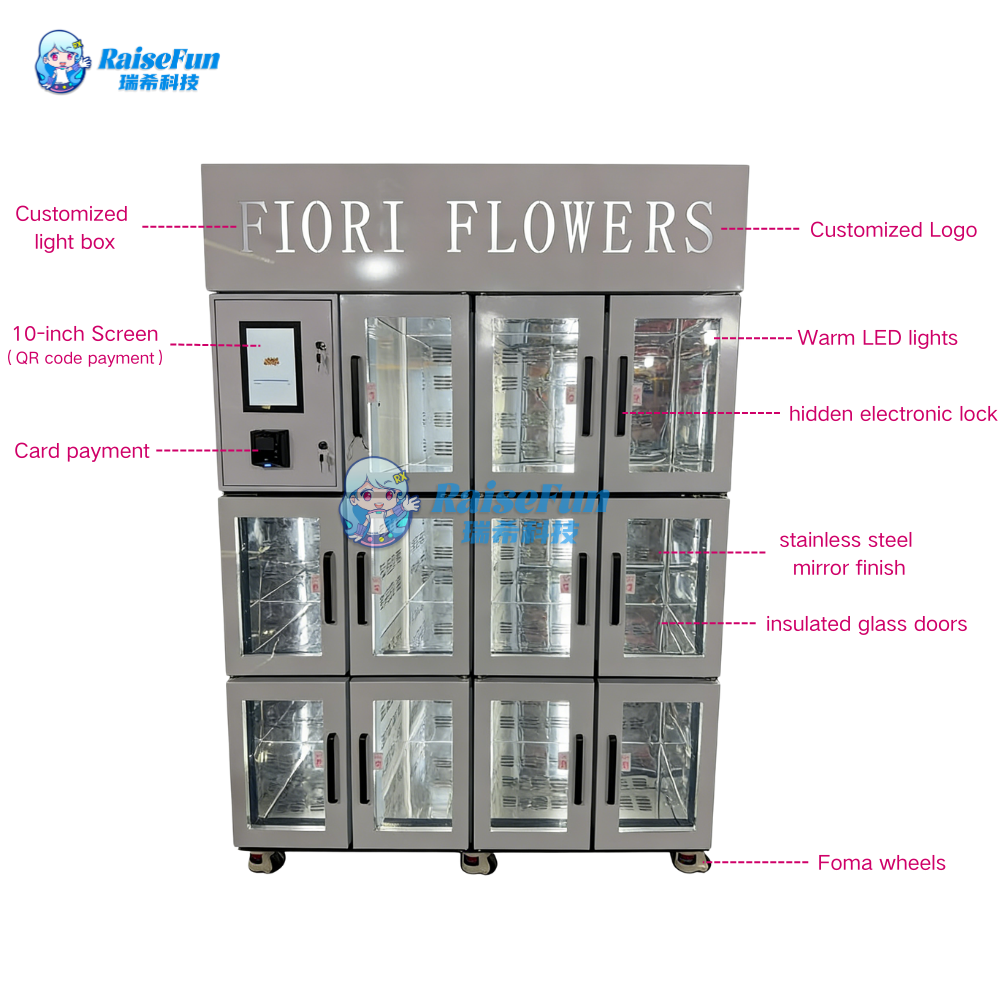
The choice between refrigerated and ambient models shapes operational economics and customer experience:
| Feature | Refrigerated Models | Ambient Models |
|---|---|---|
| Freshness Duration | 7–14 days | 24–48 hours |
| Energy Cost | $50–$150/month | $10–$30/month |
| Flower Waste Rate | ≈10% | 30–50% |
| Ideal Placement | High-traffic indoor/outdoor zones | Climate-controlled lobbies |
Cooling units definitely help flowers last longer since they actively keep things cold, though they come with a bigger price tag right off the bat somewhere between $8k and $20k plus all that compressor work later on. The non-cooling options cost less to get started at around $3k to $8k but flowers just don't stay fresh as long, especially when it gets warmer than about 70 degrees Fahrenheit inside the room. Looking at return on investment over time, those cooled systems actually lead to about 25 percent more people buying again because the flowers arrive looking really fresh and full of water. Non-cooled units still work okay in places like offices or hospitals where there's AC running and folks won't be keeping flowers for super long periods, but only if nobody expects them to look absolutely perfect for days on end.
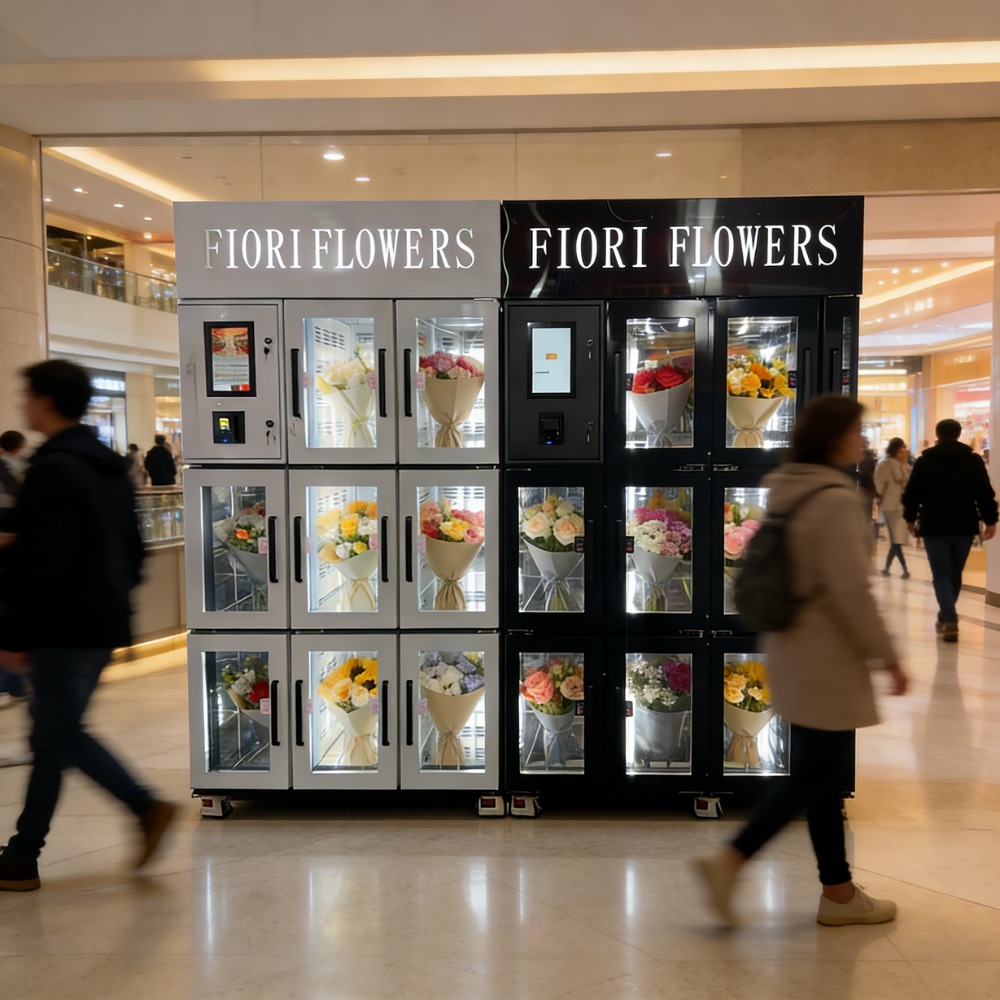
The Internet of Things has completely changed how flowers get sold around the clock. Now shop managers can keep tabs on what's happening inside those vending machines without being there all day long. They watch inventory levels, check if the humidity stays within that sweet spot between 90 and 95 percent, and make sure compressors aren't acting up through these online dashboards. When sensors notice something running low like roses or lilies disappearing faster than expected, they send out automatic alerts so someone knows to restock soon. Smart systems look at past sales numbers from different kinds of locations airports tend to sell more during holidays while hospitals see steady demand throughout the year and figure out when deliveries should happen and which routes work best. If temperatures start going haywire somewhere, the system catches it right away before bouquets turn into sad looking arrangements. A recent report from last year showed that using IoT tech cuts down unexpected machine breakdowns by about 18 percent, which means fewer lost sales at busy spots where people actually want fresh flowers.
Cashless systems significantly boost impulse purchases in flower vending machines. Over 40% of in-person transactions now use contactless methods (U.S. Department of Commerce, 2022), making integrated NFC and QR functionality essential. Top-performing configurations include:
Equipment that accepts various forms of payment tends to generate around 35 percent more sales during busy periods, mainly because customers face less hassle and feel better about hygiene factors. When we look at places like hospitals or high-end hotels, going touchless at checkout isn't merely a nice feature anymore. People actually expect it these days. Speed matters too. Transactions taking under eight seconds can boost conversion rates after events by as much as 22%. Faster processing means happier customers who are more likely to complete their purchases without getting frustrated.
Picking the right location really comes down to looking at three main factors together foot traffic, how long people stay around, and what kind of lease deal makes sense. When we look at foot traffic numbers, there are some interesting patterns. Malls can get crazy busy on weekends sometimes pushing past 1,000 people per hour. Hospitals have a different rhythm though they tend to have consistent footfall throughout the day with folks who are actually looking for something specific. The time people spend matters a lot too. Hospital waiting rooms often hold people for 20 to 30 minutes which gives businesses like flower shops a great opportunity since customers have time to think about buying something nice. Transit stations bring in masses of people fast but most just rush through without stopping. Lease agreements need to match up with what the location can actually generate. Airport spots might cost a fortune to rent but they come with shorter contract terms that give operators more wiggle room. Hospitals usually offer longer leases because their customer base stays pretty steady month after month.
Data-informed placement—not intuition—ensures machines operate where engagement reliably converts to sales.
Keeping flowers fresh in those automatic dispensers requires careful control of conditions all the way from when they're cut until they get dispensed. Right after harvesting, hydrocooling kicks in to take away the field heat, stopping enzymes from breaking down the flowers too soon. This is really important stuff for delicate blooms such as lilies and tulips that just can't handle much stress at all. Inside these machines, special systems work to remove ethylene gas, which naturally makes flowers age faster. According to research from the American Society for Horticultural Science back in 2021, this process can actually slow down how quickly petals start to wilt by around 40%. The machines also have smart sensors that keep track of humidity levels, making sure everything stays between about 90% and 95% relative humidity. When needed, they'll either spray some mist or dry things out depending on what's happening inside. Special sealed sections help reduce water loss through leaves, and the glass used lets light through without causing damage from oxidation. During transportation, companies use temperature controlled systems so nothing gets warm during transit. They even put in special materials that act like shock absorbers against sudden temperature changes when loading and unloading happens. All these steps together mean flowers stay good looking for over two weeks instead of just a week or so, and there's about 22% less waste compared to regular dispensers that don't have all these climate controls.
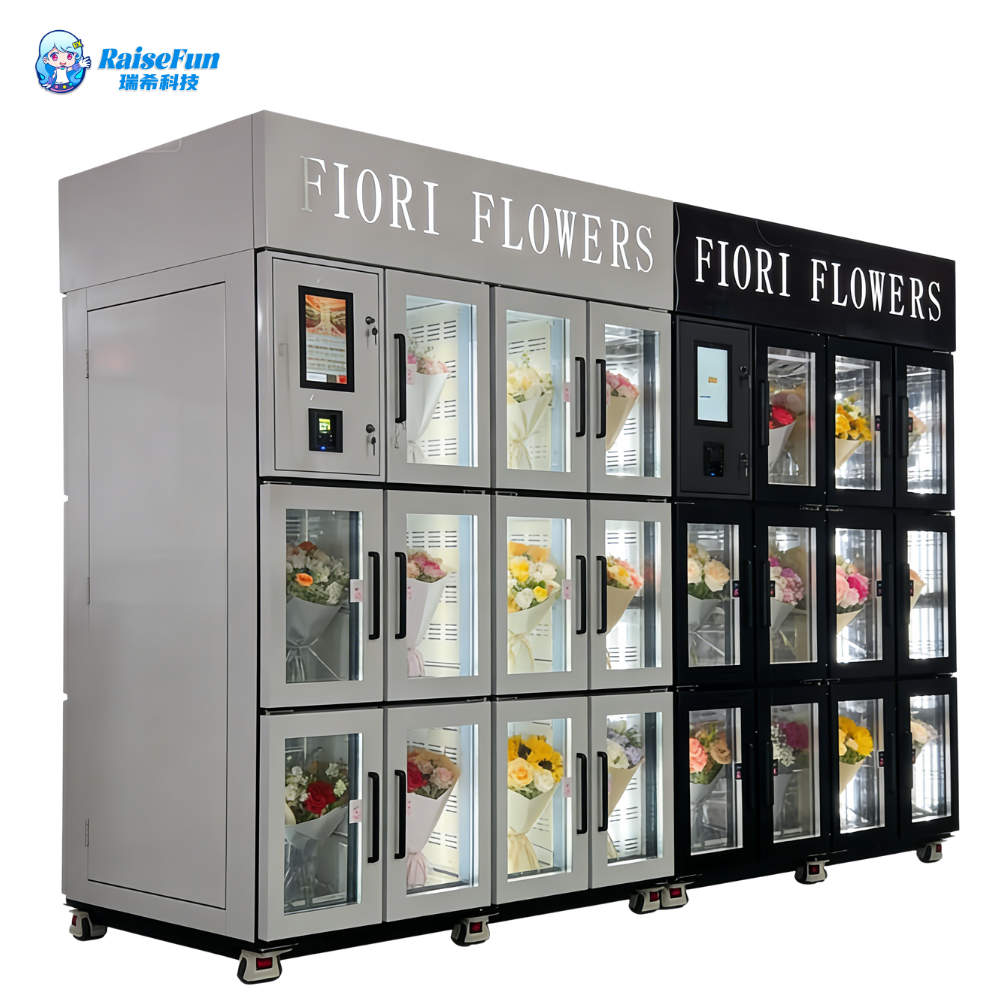
Flower vending machines are the cornerstone of scalable, high-margin automated fresh floral retail—no traditional brick-and-mortar model can match their blend of 24/7 revenue capture, low labor overhead, and unmatched accessibility for on-the-go consumers. By combining precision climate control, IoT-enabled remote management, and data-driven site selection, you’ll unlock consistent, low-risk revenue with minimal inventory waste and maximum customer retention.
For commercial-grade flower vending machines tailored to your venue and operational goals, or to integrate these high-profit units into a full one-stop entertainment and retail venue solution, partner with a provider rooted in global unattended retail and amusement industry expertise. RaiseFun’s 15+ years of industry experience spans custom vending solutions, arcade game manufacturing, and end-to-end venue design, with 2000+ global clients across 100+ countries, CE & TÜV certified products, 3-day rapid customization, and flexible 1-unit MOQ options. Contact us today for a no-obligation consultation to build your high-profit automated fresh flower retail solution.
 Hot News
Be the first to get our latest styles and offers.
Copyright © Guangzhou Ruixi Technology Co., Ltd.now All rights reserved - Privacy Policy

 EN
EN